


Current Economic Pressures And The Energy Market
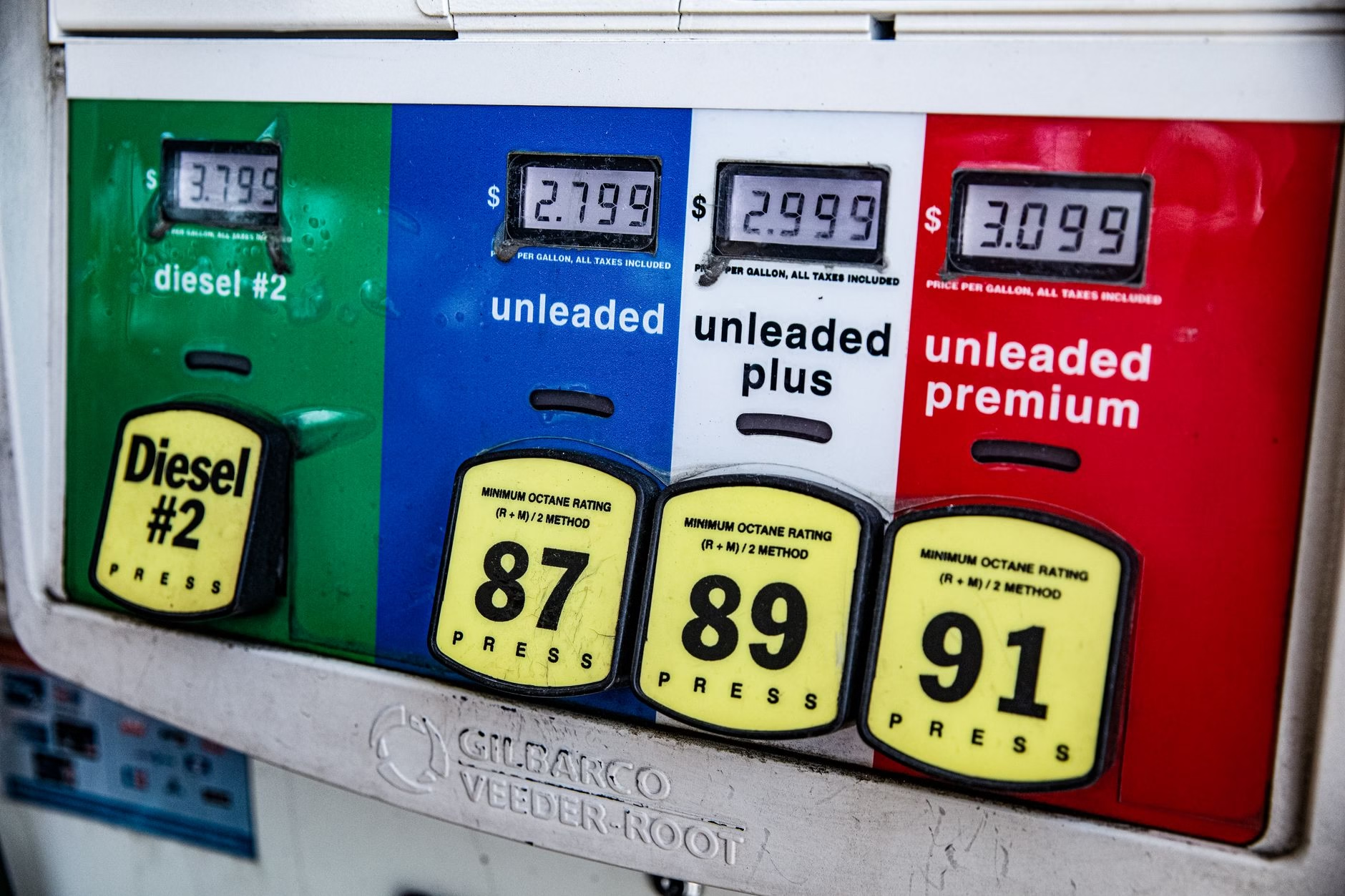
Recent geopolitical conflicts in the Middle East have introduced significant volatility into global energy markets. Specifically, ongoing hostilities involving Iran have disrupted standard supply chains and production metrics. These disruptions have directly contributed to rising costs for petroleum and natural gas worldwide.
Consumers in various markets have felt the immediate impact of these spikes at the fuel pump and in their utility bills. The sustained elevation of energy costs has become a central economic concern for households and businesses alike as they navigate inflationary pressures linked to international events.
Statements From Leadership On Price Timelines
Addressing the situation publicly, President Donald Trump provided a forecast regarding when relief might arrive for consumers facing high utility and fuel expenses. According to the administration, current projections suggest that market corrections leading to lower prices are unlikely to materialize fully in the immediate short term.
Instead, the leadership indicated that a noticeable reduction in the cost of oil and natural gas is expected to take effect precisely in the period immediately following the upcoming midterm elections. This timeline sets specific expectations for voters and market participants attempting to anticipate future economic conditions.
Implications For Voters And The Midterm Elections
Energy costs consistently rank among the most sensitive economic indicators for the voting public. When fuel and utility prices rise, consumer sentiment frequently shifts, influencing broader political dynamics as election dates draw closer.
The timing highlighted by the administration places considerable focus on the political calendar. As campaigns intensify, the intersection of foreign policy, conflict in the Middle East, and domestic economic realities will likely remain a prominent topic of discussion for the electorate.
Looking Ahead At Energy Market Stability
Achieving long-term stability in the global energy sector depends heavily on resolving ongoing conflicts and restoring normal shipping and production channels in key regions. Analysts and industry observers continue to monitor developments closely to assess how quickly supply constraints might ease once geopolitical tensions subside.
Until those underlying conditions improve, market watchers will evaluate the administration’s projections against actual trading data. The relationship between political timelines and market behavior remains a key focal point for economists tracking the trajectory of oil and gas prices through the remainder of the year.





















Leave a Reply