


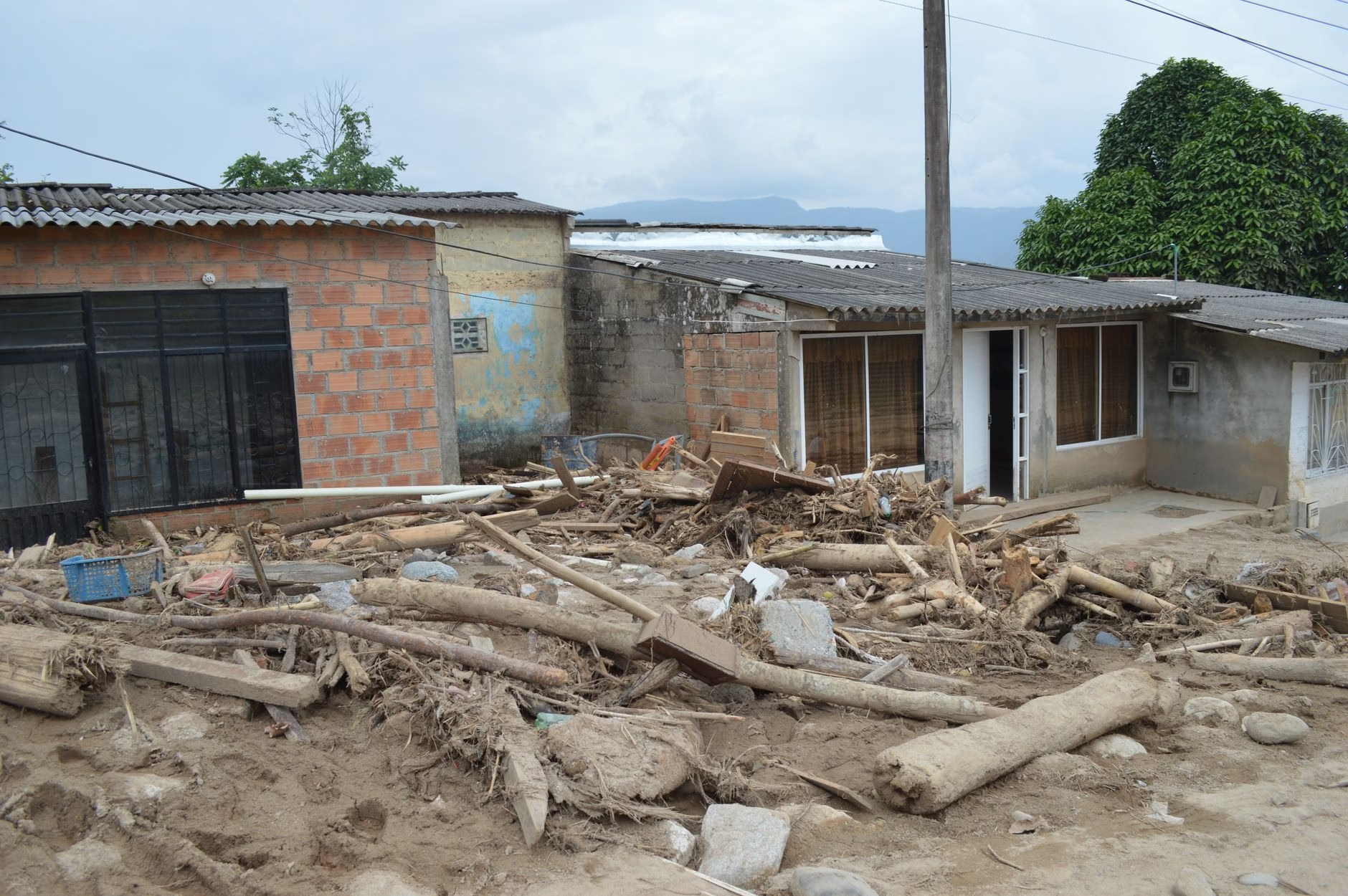
A powerful earthquake recently struck Colombia, causing significant devastation, particularly in the city of Cali. Amidst the widespread destruction and the immediate chaos that followed, a remarkable incident unfolded, offering a profound symbol of hope and the enduring strength of the human spirit. Footage widely shared across digital platforms captured the poignant moment a baby was successfully extracted from the perilous debris of a collapsed structure, clutched in the arms of a man also trapped beneath the rubble.
The immediate aftermath of a powerful seismic event often plunges affected areas into disarray. Buildings, once symbols of stability, can crumble into heaps of concrete, twisted metal, and shattered glass within seconds. The air fills with dust, the sounds of distress, and the urgent cries for help. In Cali, the earthquake left a trail of destruction, transforming familiar landscapes into scenes of devastation and uncertainty. Residents faced the daunting reality of widespread damage, disrupted infrastructure, and the urgent need to locate and assist those trapped or injured.
Amidst this grim backdrop, the discovery of life in the wreckage becomes an extraordinary event. The footage depicted a scene of intense urgency and profound emotion. Rescuers, working against time and formidable obstacles, focused their efforts on a specific location where signs of life had been detected. The sight of a tiny infant being carefully lifted from the embrace of a trapped adult, whose arms were visibly injured, underscored the immense risks involved and the sheer determination of those involved in the rescue operation. This Colombia earthquake baby rescue quickly became a focal point, symbolizing survival against overwhelming odds.
Urban search and rescue operations following major earthquakes are inherently complex and dangerous. Responders must navigate unstable structures, contend with falling debris, and utilize specialized equipment and techniques to locate survivors. The initial hours are critical, often referred to as the ‘golden hour,’ where the chances of finding individuals alive are highest. These operations demand not only physical endurance but also immense psychological fortitude from the rescue teams, who often witness harrowing scenes while maintaining their focus on saving lives. The successful extraction of the baby and the adult from the Cali rubble highlights the dedication and skill of these emergency personnel.
The human element in such disasters is consistently powerful. In moments of extreme crisis, communities often rally together, demonstrating incredible acts of selflessness and compassion. Neighbors assist neighbors, strangers offer aid, and a collective sense of purpose emerges to overcome the immediate challenges. While the specific details of the rescue team involved in the Colombia earthquake baby rescue remain a testament to their professionalism, the broader response from the community and emergency services plays a crucial role in mitigating the impact of such a catastrophe.
Social media platforms have increasingly become integral to how information and critical moments are shared globally during disasters. In this instance, the footage of the baby’s rescue quickly circulated, transcending geographical boundaries. Such viral content serves multiple purposes: it raises awareness about the disaster, mobilizes support, and, perhaps most importantly, provides a much-needed beacon of hope. The image of a new life being pulled from the jaws of destruction resonated deeply with audiences worldwide, transforming a local tragedy into a universal narrative of resilience.
Beyond the immediate rescue efforts, the journey to recovery for affected regions like Cali is extensive and challenging. It involves rebuilding infrastructure, providing humanitarian aid, offering psychological support to survivors, and establishing long-term recovery plans. The emotional toll on those who have lost homes, loved ones, or witnessed traumatic events is profound, requiring sustained support and resources. The resilience demonstrated during the initial rescue phase must be mirrored in the ongoing efforts to restore normalcy and rebuild lives.
This devastating event in Colombia also serves as a stark reminder of the critical importance of robust emergency preparedness. For regions prone to seismic activity, comprehensive building codes, public awareness campaigns, and well-drilled emergency response protocols are indispensable. Investing in infrastructure that can withstand powerful tremors and educating citizens on how to react during an earthquake can significantly reduce casualties and damage. The lessons learned from incidents like the Colombia earthquake baby rescue can inform future strategies for disaster mitigation and response.
The miraculous rescue of the infant from the rubble in Cali stands as a powerful testament to the indomitable human spirit and the unwavering commitment of those who rush to aid in times of crisis. It is a story not just of survival, but of hope, resilience, and the profound capacity for compassion that emerges even in the face of overwhelming devastation. As recovery efforts continue, this singular act of saving a life will undoubtedly remain etched in the collective memory, inspiring continued efforts towards rebuilding and fostering a stronger, more prepared community.



















Leave a Reply