


Introduction
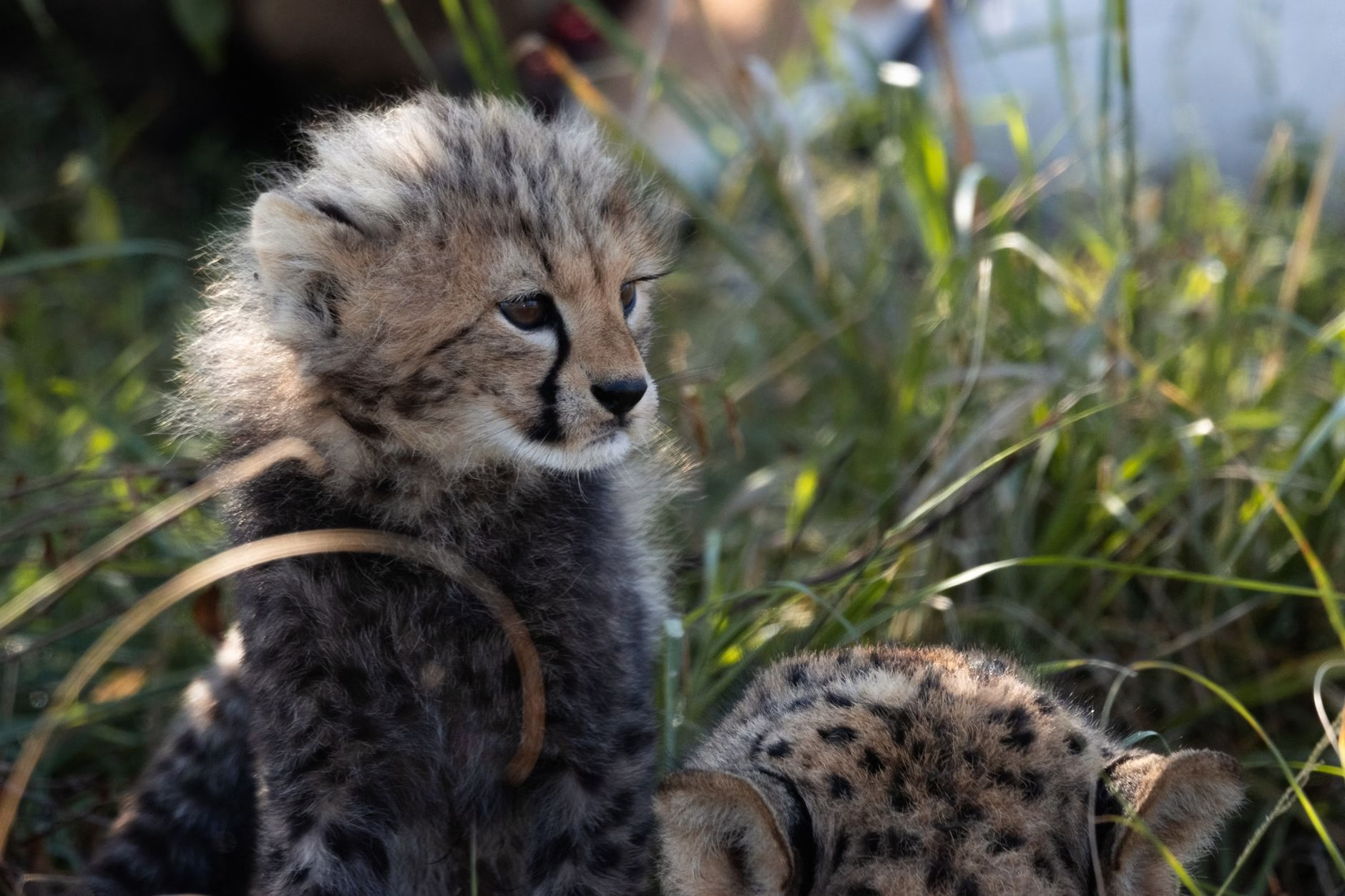
Welcoming new wildlife into a controlled environment always brings a unique set of challenges and triumphs for conservationists. Recently, a remarkable story of resilience unfolded at a prominent wildlife facility where a litter of vulnerable newborn cheetah cubs faced extraordinary early hurdles. Despite battling severe weather events and watching their mother fall seriously ill, these young animals demonstrated an incredible will to live.
Overcoming Severe Weather Challenges
The earliest days of life for these newborn predators were marked by extreme meteorological disturbances. Powerful storms swept through the region, bringing heavy rain, roaring thunder, and dramatic temperature drops that posed a severe threat to animals of such a tender age. Zookeepers and veterinary staff worked tirelessly to secure the animal enclosures and ensure the safety of the new arrivals. The intensity of the weather tested the readiness of the facility’s habitat management protocols.
Navigating Maternal Health Crises
Compounding the difficulty of the stormy weather, the mother cheetah fell seriously ill shortly after giving birth. This unexpected medical emergency placed the fragile litter in an even more precarious position, as maternal care is vital during the neonatal phase. Zoo veterinarians intervened with specialized medical care and monitoring to stabilize the mother while providing necessary support to the vulnerable cubs. The dedication of the animal care team was instrumental in steering both the parent and her offspring through this health crisis.
The Crucial Survival Period Ahead
While the immediate danger has passed and the cubs have shown great strength, animal experts emphasize that caution remains necessary. Wildlife curators note that it might take a full year before specialists can definitively state that the cubs have safely cleared the most critical developmental window of their lives. Zoological staff continue to monitor their growth, diet, and social integration on a daily basis to maximize their long-term health prospects.
Conservation Significance
This dramatic early survival story highlights the complexities of captive breeding and species preservation efforts. Cheetah populations face severe declines in their native natural habitats due to habitat loss, human conflict, and climate pressures. Successful rearing of cubs in managed facilities contributes valuable knowledge to the broader scientific community dedicated to protecting this vulnerable big cat species from the threat of extinction.
Looking Forward
As these young cheetahs continue to grow and explore their surroundings under the watchful eyes of their caretakers, they serve as ambassadors for their wild counterparts. The resilience they displayed against severe storms and maternal illness offers hope for future conservation initiatives. Observers and animal lovers alike will be watching closely as the cubs reach new milestones in the coming months.






















Leave a Reply