


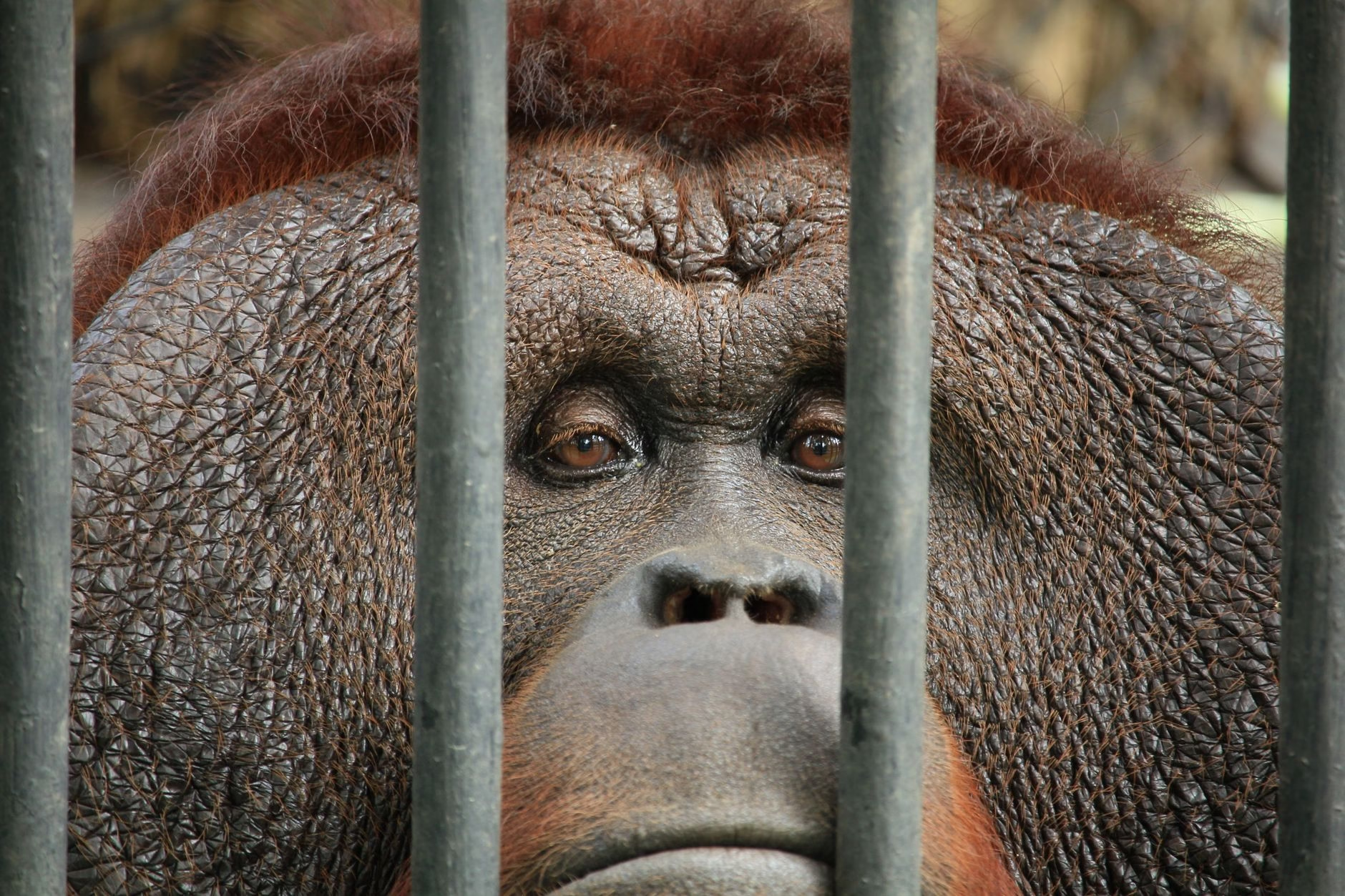
The intersection of celebrity culture and wildlife conservation frequently sparks considerable public debate and scrutiny. When prominent individuals are observed interacting with endangered species, such encounters often trigger discussions about legal compliance, ethical responsibilities, and the broader implications for animal welfare and conservation efforts. These situations underscore the significant influence public figures wield and the potential impact their actions can have on public perception regarding vulnerable wildlife populations.
The Plight of Endangered Gibbons
Gibbons, a family of small apes native to the tropical and subtropical rainforests of Asia, are among the most endangered primates globally. Known for their remarkable agility and distinctive vocalizations, these arboreal creatures play a vital role in their ecosystems as seed dispersers. However, their existence is severely threatened by habitat loss due to deforestation, illegal poaching, and the illicit pet trade. Numerous gibbon species are classified as endangered or critically endangered by international conservation organizations, highlighting an urgent need for robust protection measures and public awareness.
Legal Frameworks for Wildlife Protection
Across the globe, stringent legal frameworks are in place to safeguard endangered species from exploitation and harm. These laws typically prohibit the capture, trade, possession, and disturbance of protected animals. International agreements, such as the Convention on International Trade in Endangered Species of Wild Fauna and Flora (CITES), further regulate the cross-border movement of endangered species and their products. National wildlife protection acts often complement these international efforts, imposing severe penalties for violations. The intent behind these regulations is to prevent further decline of vulnerable populations and ensure their survival for future generations.
Ethical Considerations in Wildlife Engagement
Beyond legal mandates, ethical considerations are paramount when humans interact with wild animals, particularly those facing extinction. Responsible engagement dictates that interactions should prioritize the animal’s welfare, natural behavior, and long-term conservation. This includes maintaining a respectful distance, avoiding direct contact that could habituate animals to humans, and refraining from activities that might cause stress or alter their natural instincts. For endangered species, any interaction outside of controlled, conservation-focused rehabilitation or research settings is generally discouraged due to the inherent risks involved.
The Influence of Public Figures
Public figures, by virtue of their widespread visibility and fan base, possess a unique capacity to shape public opinion and behavior. When a celebrity shares content involving an endangered animal, it can inadvertently send mixed messages. While some might intend to raise awareness for conservation, the visual representation of direct interaction can be misinterpreted by followers. It may inadvertently normalize or even encourage similar interactions, potentially fueling demand for exotic pets or promoting irresponsible tourism practices, even if the celebrity’s intentions were benign. This highlights the critical importance of celebrities exercising extreme caution and responsibility in their public portrayals of wildlife encounters.
Social Media and Wildlife Encounters
The advent of social media platforms has amplified the reach and impact of such encounters. Videos and images featuring celebrities with exotic or endangered animals can go viral within hours, reaching millions globally. While this rapid dissemination can be a powerful tool for conservation advocacy when used responsibly, it also presents challenges. The immediate and often uncritical consumption of content can obscure the complex ethical and legal issues at play. Furthermore, the quest for viral content can sometimes overshadow the welfare of the animals involved, leading to situations where animals are exploited for entertainment or social media engagement.
Promoting Responsible Conservation
For both public figures and the general public, promoting responsible conservation requires a commitment to education and ethical conduct. Supporting accredited wildlife sanctuaries, participating in legitimate conservation programs, and advocating for stronger wildlife protection laws are constructive ways to contribute. When encountering wildlife, it is crucial to observe from a distance, never feed wild animals, and report any suspicious activities related to poaching or illegal trade. Celebrities, given their platform, have an opportunity to be powerful advocates for conservation by consistently promoting ethical wildlife practices and educating their audience on the importance of protecting endangered species in their natural habitats.
Conclusion
The scrutiny surrounding celebrity interactions with endangered wildlife serves as a potent reminder of the delicate balance between human activity and the natural world. It underscores the critical need for adherence to wildlife protection laws, the embrace of ethical principles in all animal encounters, and the responsible use of public platforms. Ultimately, the preservation of endangered species like the gibbon depends on collective action, informed choices, and a deep respect for the intrinsic value of all life on Earth. Through conscious effort and education, we can ensure that our interactions with wildlife contribute positively to their survival and well-being.






















Leave a Reply