


International Diplomacy and Humanitarian Efforts
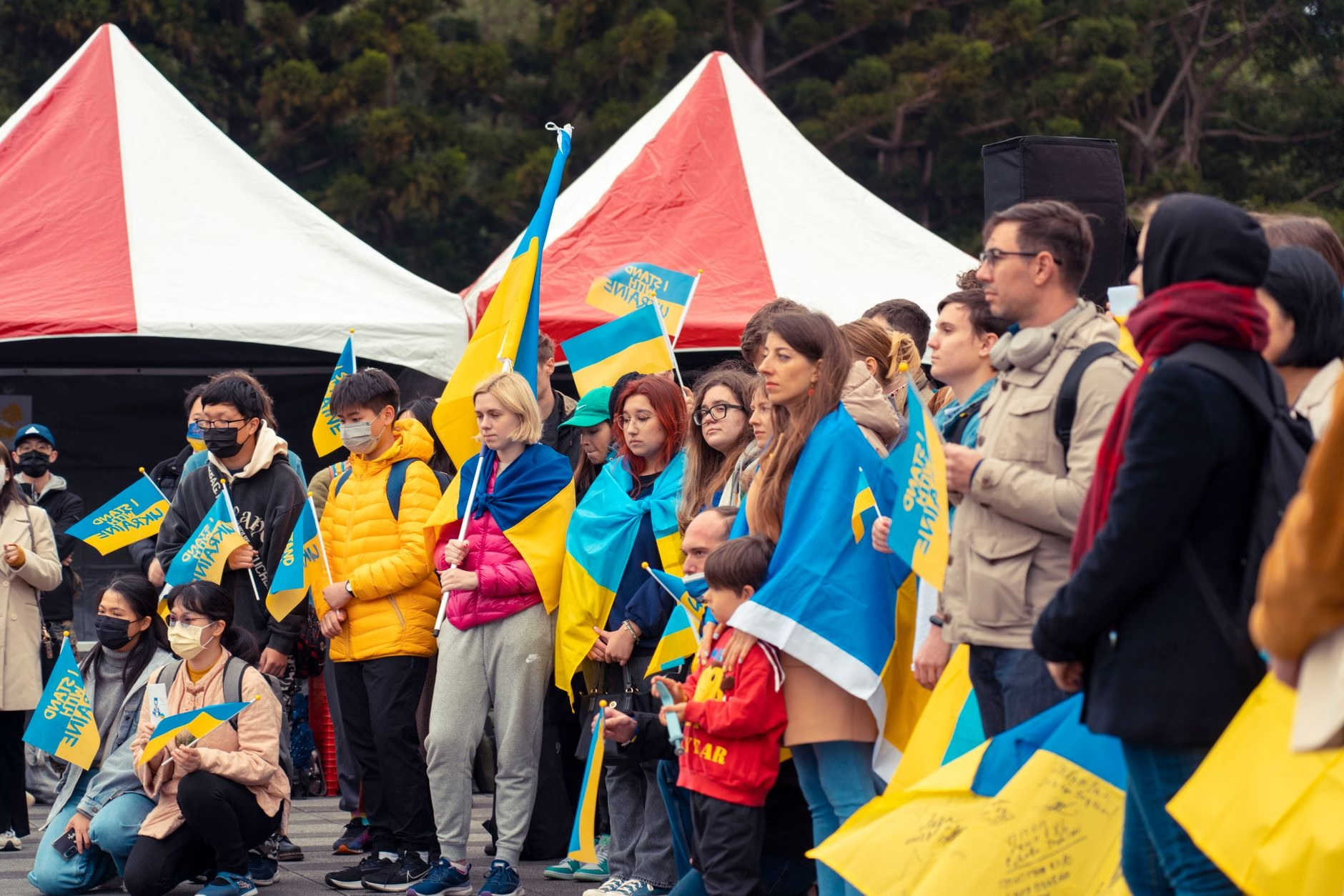
Canada, Ukraine, and Norway are joining forces to lead a significant international summit. The upcoming gathering, scheduled to take place in Toronto, is dedicated to addressing one of the most pressing humanitarian crises stemming from the ongoing conflict in Eastern Europe. Specifically, the conference will concentrate on securing the safe return of Ukrainian children, detained civilians, and prisoners of war who remain separated from their families and homeland.
Focusing on Vulnerable Populations
At the heart of the Toronto summit is the urgent need to protect and repatriate vulnerable individuals affected by hostilities. Thousands of civilians, including minors, have been displaced, detained, or taken across borders since the escalation of the conflict. The collaborative effort led by Canada, Ukraine, and Norway aims to establish concrete diplomatic mechanisms, garner global support, and coordinate international pressure to facilitate the release and safe passage of these captives.
Building Global Coalitions
Organizers of the conference stress that resolving this multifaceted humanitarian issue requires robust international cooperation. By bringing together global leaders, human rights advocates, and diplomatic representatives in Toronto, the co-hosting nations hope to unify strategies for tracking missing persons and negotiating their release. The summit represents a critical milestone in ongoing international efforts to uphold humanitarian law and ensure accountability for the welfare of detained populations.
Path Forward and Next Steps
The discussions in Toronto will serve as a platform for developing actionable frameworks that participating countries can implement collectively. While immediate breakthroughs are challenging to negotiate, the summit provides a structured environment to maintain international focus on the plight of Ukrainian detainees and minors. Through sustained diplomatic engagement, the co-hosts aim to pave the way for meaningful reunions and long-term support for those affected.























Leave a Reply