



Political Shifts in Latin America
The recent presidential election in Brazil has resulted in a notable political outcome as candidate Lula secured victory at the polls. This development stands in contrast to recent political trends observed across the broader region, where several nations have experienced a noticeable shift toward conservative leadership. The outcome places Brazil on a distinct trajectory compared to its South American neighbors.
Electoral Dynamics and Voter Turnout
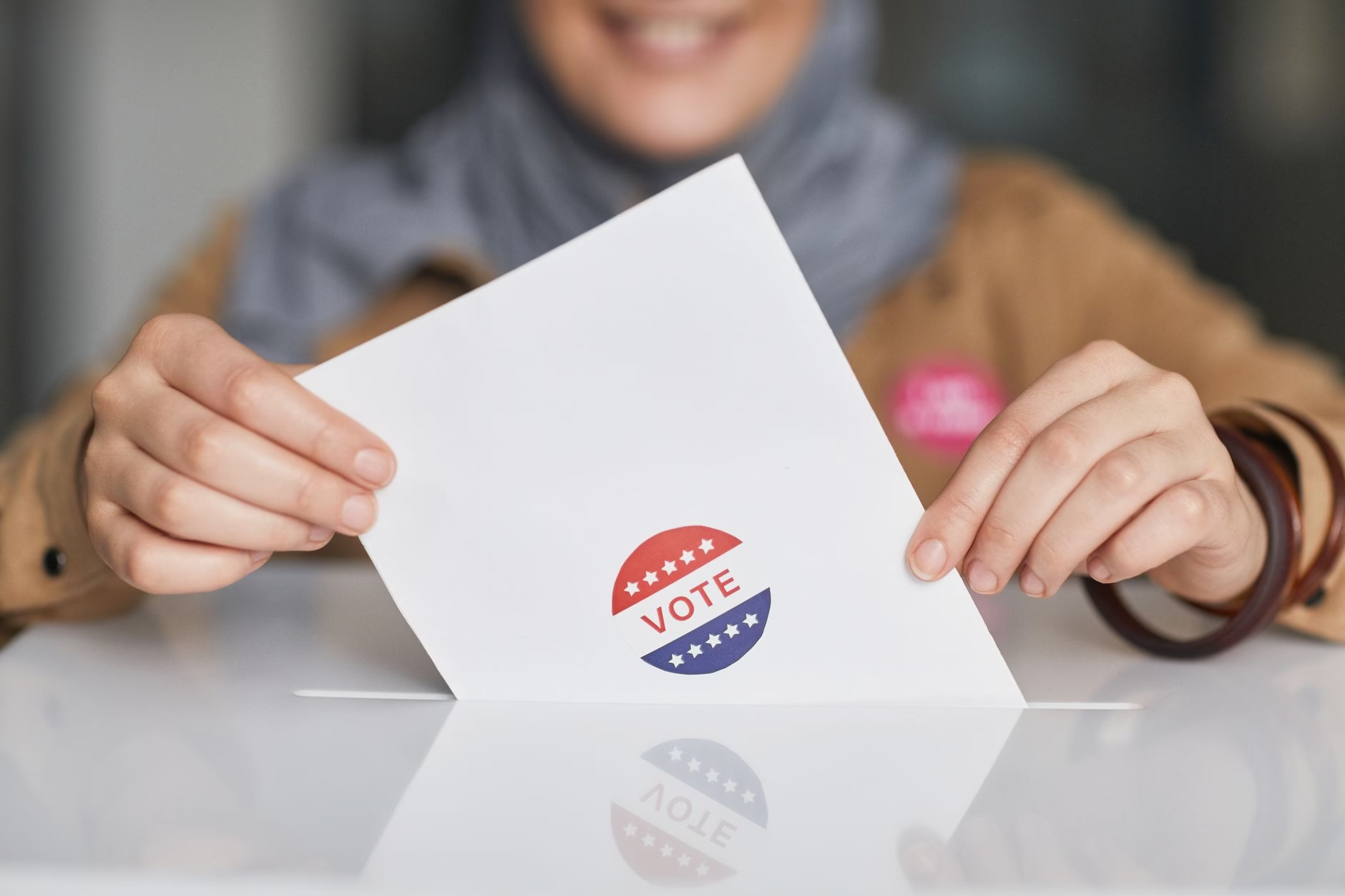
The electoral contest was marked by high voter engagement and intense campaigns from all participating political factions. Citizens across the nation cast their ballots to determine the future direction of the country’s economic and social policies. Observers noted the deep divisions within the electorate, reflecting a country navigating complex domestic challenges.
International Relations and Foreign Policy
For external powers, particularly the United States administration, this electoral outcome introduces new diplomatic dynamics. Washington has previously worked to strengthen its influence and build regional partnerships across South America. The success of Lula and his political platform presents specific considerations for diplomatic relations and ongoing strategic alignment efforts in the hemisphere.
Defense and Military Cooperation
Strategic planners and government officials are closely monitoring how the new leadership will approach international defense initiatives. Efforts to integrate regional partners into broader military coalitions may require renewed diplomatic engagement. The political stance of the newly elected administration will heavily influence future defense cooperation agreements and security dialogues.
Economic Outlook and Domestic Priorities
Beyond international affairs, the incoming government faces pressing domestic responsibilities. Economic stability, fiscal management, and social welfare programs remain top priorities for the population. Policy makers will need to address inflation, job creation, and sustainable growth while balancing international expectations with local needs.
Looking Ahead
As the transition process begins, national and international observers will watch closely to see how the new administration implements its agenda. The implications of this electoral decision will resonate far beyond national borders, shaping regional diplomacy and international partnerships for years to come.






















Leave a Reply