


The Evolving Landscape of Chocolate Consumption
Consumer preferences are increasingly shifting towards a deeper understanding of the products they consume, and chocolate is no exception. A growing curiosity about the origins and production methods of chocolate has emerged, prompting a significant transformation within the industry. This heightened awareness reflects a desire for greater transparency, ethical practices, and superior quality in everyday indulgences. In response to this evolving demand, a distinctive approach to chocolate making has gained prominence: the bean-to-bar movement. This artisanal trend, championed by smaller, dedicated producers, offers a compelling narrative that reconnects consumers with the intricate journey of chocolate, from its rawest form to the finished product.
Understanding the Bean-to-Bar Philosophy
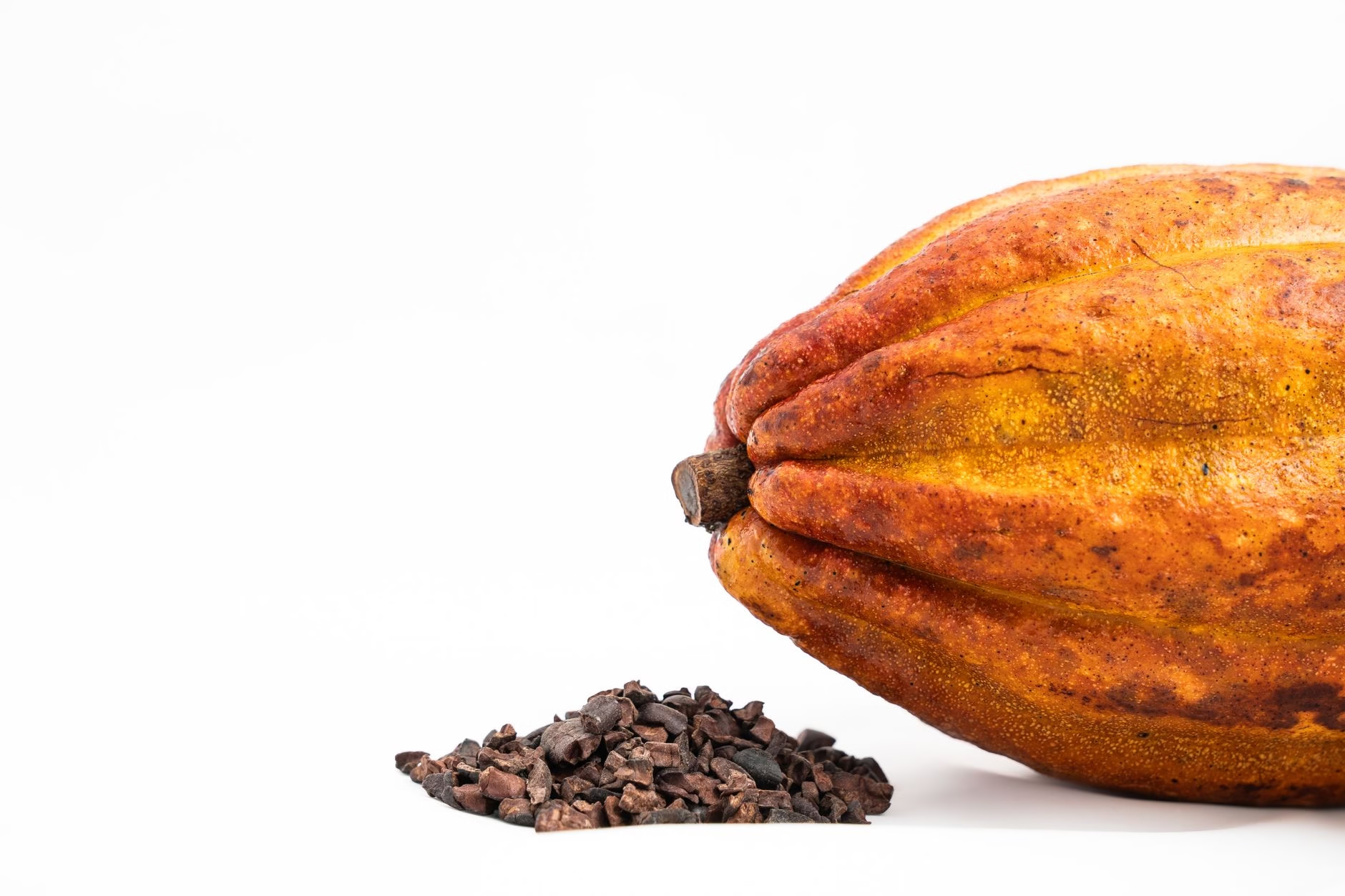
At its core, the bean-to-bar movement represents a commitment to controlling every stage of chocolate production. Unlike conventional large-scale manufacturers who often purchase pre-processed chocolate liquor or couverture, bean-to-bar makers begin with raw cacao beans. This meticulous approach involves sourcing, roasting, winnowing, grinding, conching, tempering, and molding the chocolate all under one roof or within a closely managed process. This comprehensive oversight allows producers to exert unparalleled influence over the final product’s flavor profile, texture, and ethical integrity. It is a return to traditional craftsmanship, emphasizing quality and intentionality over mass production.
The Genesis of Craft Chocolate
The modern bean-to-bar movement can be seen as a resurgence of artisanal methods, reminiscent of how chocolate was made centuries ago before industrialization streamlined and standardized the process. In recent decades, a growing number of small-batch producers began to challenge the prevailing norms of the chocolate industry. They sought to differentiate their products by focusing on the inherent qualities of diverse cacao beans, much like winemakers highlight the terroir of grapes. This shift marked a departure from the commodity-driven model, where cacao beans were often blended and processed to achieve a consistent, albeit often less nuanced, flavor. The pioneers of this movement aimed to elevate chocolate from a simple confection to a gourmet experience, akin to specialty coffee or craft beer.
Prioritizing Transparency and Ethical Sourcing
One of the most significant contributions of the bean-to-bar movement is its unwavering emphasis on transparency and ethical sourcing. These makers often engage in direct trade relationships with cacao farmers, bypassing intermediaries. This direct engagement fosters greater accountability and ensures that a larger share of the profit reaches the farmers who cultivate the beans. Such relationships are built on mutual respect and fair compensation, addressing historical inequities within the global cacao supply chain. By understanding the specific farms and communities from which their beans originate, bean-to-bar producers can guarantee that their chocolate is made without exploitative labor practices and with a commitment to sustainable agricultural methods. This direct connection provides consumers with confidence that their purchase supports responsible practices and contributes positively to farming communities.
The Pursuit of Distinctive Flavor Profiles
The meticulous control exercised throughout the bean-to-bar process directly translates into an extraordinary range of flavors. Just as coffee beans or wine grapes vary significantly based on their origin, climate, and processing, so too do cacao beans. Bean-to-bar makers celebrate these nuances, often producing single-origin bars that highlight the unique characteristics of beans from a particular region or farm. Roasting, a critical step, is carefully calibrated to unlock specific aromatic compounds within the beans, much like a chef precisely seasons a dish. The subsequent grinding and conching processes further refine the chocolate, developing its texture and depth of flavor. This dedication to craftsmanship results in chocolate that offers complex notes – from fruity and floral to nutty and earthy – providing a sensory experience far beyond what is typically found in mass-produced varieties. Consumers are encouraged to savor these differences, developing a more sophisticated palate for chocolate.
Challenges and Opportunities for Artisanal Makers
Despite its growing popularity, the bean-to-bar movement faces several inherent challenges. Operating on a smaller scale often means higher production costs compared to industrial giants. Sourcing high-quality, ethically produced cacao beans can be more expensive and logistically complex. Additionally, educating consumers about the value proposition of craft chocolate – why it costs more and why it tastes different – requires sustained effort. However, these challenges are often outweighed by significant opportunities. The demand for premium, ethically sourced products continues to rise, creating a robust market for bean-to-bar chocolate. Innovation in flavor combinations, packaging, and sustainable practices allows these makers to carve out unique niches. The direct connection with consumers, often through tastings, workshops, and online engagement, builds strong brand loyalty and community.
Empowering Consumer Choices
The emergence of the bean-to-bar movement empowers consumers in unprecedented ways. It transforms the act of purchasing chocolate from a simple transaction into a conscious decision. Consumers are no longer just buying a sweet treat; they are investing in a product that tells a story of origin, craftsmanship, and ethical responsibility. This movement encourages individuals to inquire about where their food comes from, how it is made, and who benefits from its production. By choosing bean-to-bar chocolate, consumers actively support sustainable agriculture, fair labor practices, and the preservation of diverse cacao varieties. It fosters a greater appreciation for the complex journey of chocolate and the skilled hands involved at every step.
Reshaping the Future of Chocolate
The bean-to-bar movement represents more than just a trend; it signifies a fundamental shift in the chocolate industry. It champions a return to quality, transparency, and ethical considerations, challenging the long-standing paradigms of mass production. As consumers continue to seek authentic, responsibly made products, the influence of artisanal chocolate makers is likely to expand further. This movement not only offers exceptional chocolate but also cultivates a deeper connection between consumers and the global food system, proving that even a small indulgence can carry significant meaning and impact. The story of chocolate is being rewritten, one carefully crafted bar at a time.






















Leave a Reply