


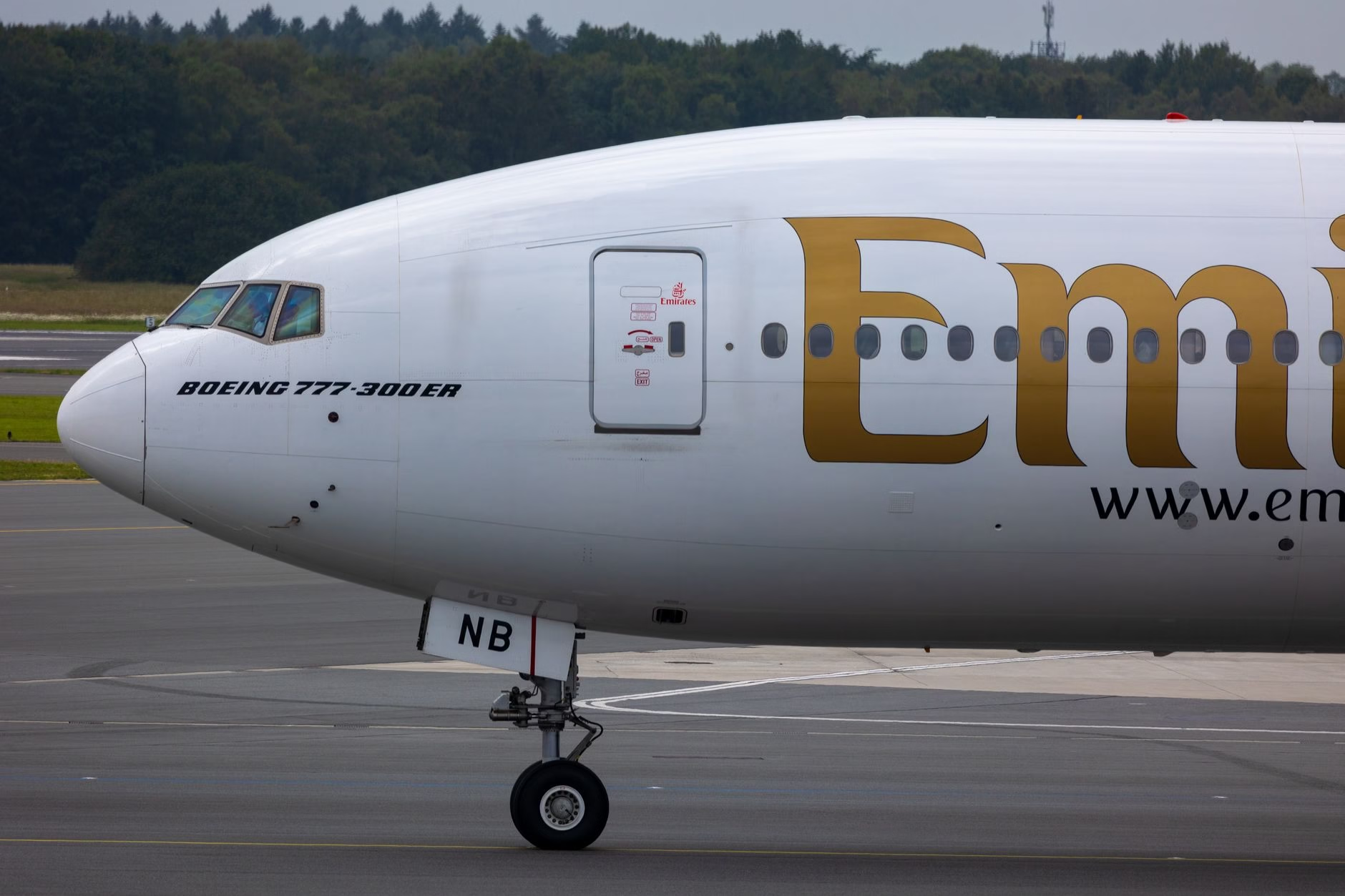
The German government is facing severe criticism from aviation industry representatives following a controversial policy shift regarding international flight approvals. Travel and airline associations have sharply condemned the decision to permit expanded operations for Emirates within German airspace. Critics argue that this regulatory move undermines domestic carriers and disrupts the balanced competitive landscape across European aviation markets.
Background of the Policy Shift
For months, negotiations and lobbying efforts have intensified surrounding bilateral aviation agreements between European nations and major Gulf carriers. The recent authorization granted to Emirates allows for increased passenger capacity and additional flight frequencies connecting major German hubs with international destinations. Government officials defended the decision as a measure to boost economic connectivity and enhance passenger choice. However, industry stakeholders viewed the development through a starkly different lens, characterizing the agreement as a significant setback for local economic interests.
Industry Outcry and Competitiveness Concerns
Prominent figures within the aviation sector did not hold back their disapproval, labeling the regulatory change as a sell-off of vital domestic market share. Trade organizations representing European airlines argue that state-backed international carriers operate with distinct structural advantages that skew fair competition. With expanded access to key airports, foreign operators can capture a larger share of lucrative long-haul transfer traffic. Consequently, domestic airlines fear severe revenue losses, which could ultimately jeopardize jobs and investments within the local transport infrastructure.
Implications for the European Aviation Market
Beyond immediate national concerns, the ruling sets a potent precedent for how European nations manage relations with rapidly expanding Middle Eastern airlines. As passenger demand continues to rebound globally, balancing international connectivity with the protection of domestic carriers remains a delicate challenge for policymakers. Critics warn that granting broader traffic rights without robust reciprocal benefits could prompt a domino effect, leading other European countries to reconsider their own bilateral frameworks. The ongoing debate highlights deep divisions over the future direction of international aviation policy and the enforcement of level playing fields.




















Leave a Reply