


The Rise of Synthetic Media in Crises
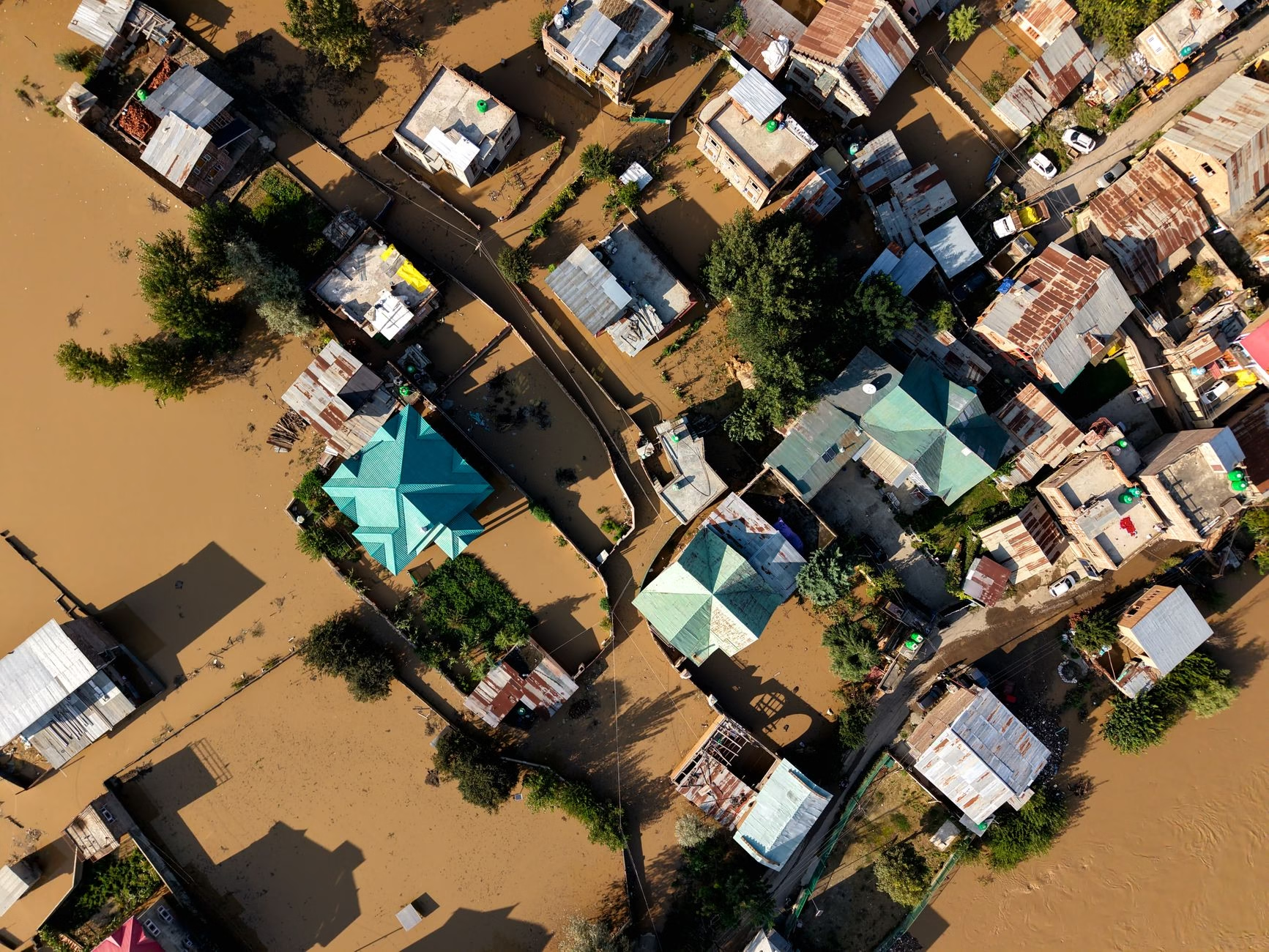
In the aftermath of natural disasters, the global community often rallies to provide support, share critical information, and monitor developments. However, modern digital landscapes face an escalating challenge during these vulnerable moments. The rapid proliferation of artificial intelligence tools has enabled malicious actors and misinformed users to generate and distribute convincing synthetic images that misrepresent real-world events. Following a deadly flood in Nepal, numerous digital platforms were flooded with fabricated visual content falsely portraying the scale of the devastation.
Understanding the Nepal Flood Event
Severe weather systems recently triggered catastrophic flooding across parts of Nepal, resulting in tragic loss of life, widespread displacement, and significant infrastructure damage. Emergency responders and local communities worked tirelessly under immense pressure to rescue stranded individuals and assess the true extent of the calamity. Reliable reporting from ground zero was essential for directing humanitarian aid efficiently. Yet, the chaos inherent in such emergencies created fertile ground for unverified media to spread rapidly across social networks.
How Fake Visuals Mislead the Public
As news of the disaster gained international attention, social media feeds began displaying dramatic photographs of submerged landmarks, collapsed bridges, and inundated settlements. Many users shared these visuals without questioning their authenticity, driven by emotional responses and a desire to spread awareness. Independent fact-checkers and digital media analysts quickly examined these viral posts, revealing that several of the most shocking photographs were entirely computer-generated. These synthetic depictions exaggerated or completely fabricated scenes of destruction, distorting the reality on the ground.
The Dangers of Misinformation During Emergencies
The circulation of AI-generated imagery during a crisis carries profound risks for both victims and relief efforts. When fabricated media dominates digital feeds, it diverts critical attention and resources away from verified humanitarian needs. Furthermore, false visuals can induce unnecessary panic among families searching for loved ones in affected regions. As synthetic media becomes increasingly sophisticated and accessible, verifying the authenticity of digital content remains an ongoing challenge for platforms, journalists, and the general public.
Best Practices for Verifying Disaster Content
Navigating information landscapes during major emergencies requires heightened digital literacy and caution. Observers should look for telltale signs of synthetic generation, such as unnatural lighting, distorted textures, or anatomical inconsistencies in people and animals. Relying on trusted news organizations, official government agencies, and verified on-the-ground reports is crucial. By adopting critical evaluation habits, individuals can help prevent the spread of misleading artificial intelligence media and support accurate disaster response efforts.


















Leave a Reply