


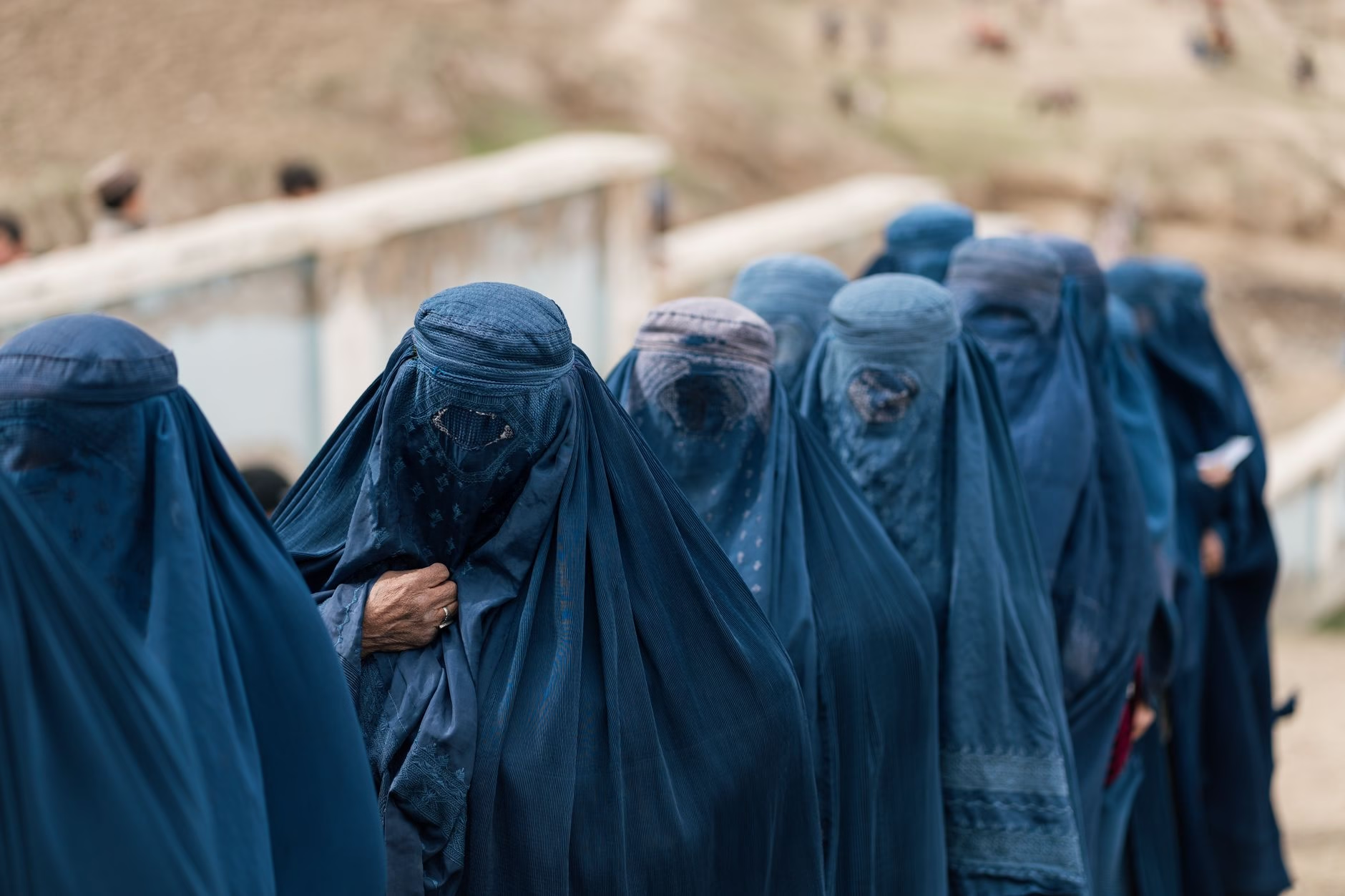
A Quarter Century of Conflict and Change
Nearly twenty-five years have passed since the tragic events of September 11, 2001, which triggered a massive global war on terror and a multi-decade Western military intervention in Central Asia. Despite the vast expenditure of financial resources, diplomatic efforts, and military might, Afghanistan finds itself under the absolute authority of the very group that western nations originally sought to remove from power. The political landscape of the nation has shifted dramatically, yet the fundamental challenges regarding governance, security, and human rights persist on a profound scale.
The Current State of Governance
Today, the ruling authorities in Kabul govern a country largely isolated from the international financial system yet firmly entrenched in administrative control. The transition from an internationally backed republic to the current regime marked a historic turning point in modern geopolitics. International organizations and foreign governments continue to grapple with how to engage with the administration, balancing humanitarian concerns for the local population against the refusal to grant formal diplomatic recognition.
The Role of Leftover Military Equipment
One of the most striking elements of the current security apparatus in the region is the utilization of advanced military hardware. When international coalition forces completed their withdrawal from the country, substantial quantities of American gear, vehicles, and machinery remained behind. These assets were originally provided to the former national defense forces to maintain stability and combat insurgency. Following the rapid collapse of the previous government, these resources fell entirely into the hands of the current administration.
Today, this sophisticated equipment forms a core component of the security forces operating across various provinces. Patrol vehicles, communication systems, and tactical gear that once belonged to allied forces are now routinely utilized by the ruling administration to enforce internal security and manage border regions. This reality presents a complex irony for international observers and military strategists who witnessed the decades-long buildup of local security infrastructure.
Economic and Humanitarian Realities
Beyond military hardware, the daily lives of millions of citizens continue to be defined by severe economic hardship. The sudden cessation of foreign aid and the freezing of central bank reserves triggered a severe economic contraction. Communities across the nation face chronic food insecurity, limited access to quality healthcare, and a general lack of formal employment opportunities. Humanitarian agencies operate under severe restrictions, striving to deliver essential aid to vulnerable families while navigating complex bureaucratic hurdles imposed by the authorities.
Looking Ahead at International Relations
As the quarter-century mark approaches since the pivotal attacks that initiated the Afghan conflict, the global community is forced to reassess its long-term strategy toward the region. Regional neighbors and global powers alike maintain pragmatic, albeit cautious, diplomatic and economic channels with Kabul to address shared security concerns, counter-terrorism priorities, and regional stability. Meanwhile, the population inside the country continues to adapt to an enduring political reality, carrying the immense weight of history as a new era unfolds.

















Leave a Reply