


Introduction
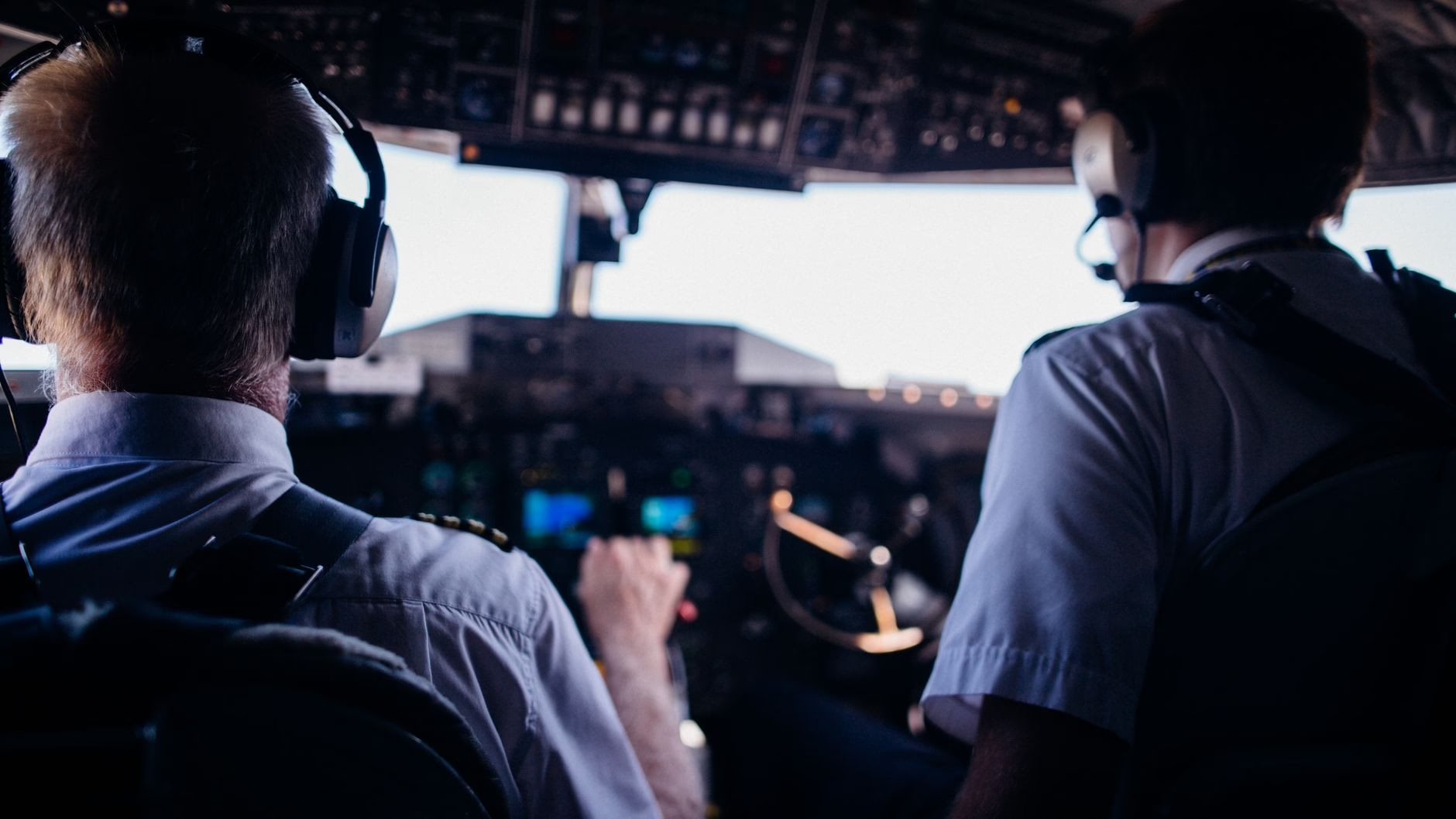
The aviation community is facing renewed scrutiny following the tragic passing of an airline captain who was found dead in a hotel room during a standard overnight layover. This unfortunate incident has ignited widespread discussions across the global aviation sector, with labor groups and safety advocates demanding immediate, comprehensive evaluations of scheduling practices and crew rest regulations.
The Incident and Immediate Aftermath
Details surrounding the captain’s death have brought the grueling physical demands of modern commercial aviation into sharp focus. While official investigations are still determining the exact contributing factors, the occurrence has immediately resonated with flight crews worldwide who frequently navigate erratic schedules, severe time zone changes, and inadequate recovery windows between shifts.
Industry organizations and pilot unions have stepped forward to emphasize that this tragedy is not an isolated event but rather a symptom of a deeper, systemic issue within commercial airline scheduling. The pressure to maintain tight operational schedules often compromises the well-being of the personnel responsible for safeguarding hundreds of passengers daily.
The Growing Crisis of Pilot Fatigue
Fatigue among airline pilots remains a persistent hazard that threatens flight safety. Despite existing regulatory frameworks designed to mandate minimum rest periods, critics argue that these rules do not adequately account for cumulative sleep deprivation, circadian rhythm disruption, and the sheer physical toll of modern rostering.
Long-haul and regional captains alike frequently report operating under conditions of chronic exhaustion. The transition between different time zones, combined with short layover durations, often leaves insufficient time for restorative sleep. Consequently, aviation professionals are frequently forced to report for duty while operating below peak cognitive performance levels.
Calls for Regulatory Reform
In the wake of this recent tragedy, pressure is mounting on aviation authorities and airline executives to overhaul existing duty-time limitations. Advocacy groups are urging decision-makers to implement science-based fatigue risk management systems that genuinely prioritize human physiology over purely economic and logistical efficiencies.
Furthermore, experts are calling for greater transparency from airlines regarding how schedules are built and managed. Crew members should feel fully empowered to report exhaustion without fear of professional retaliation or financial penalties, ensuring that safety remains the undisputed priority in every flight deck.
Moving Forward
The loss of an experienced captain serves as a solemn reminder of the hidden human costs embedded within the global transportation network. Addressing the root causes of pilot fatigue is no longer just a labor concern, but an imperative safety requirement that affects travelers and aviation workers alike.
As regulatory bodies review the circumstances surrounding this incident, the hope within the aviation community is that meaningful and lasting reforms will finally be enacted. Protecting the health and alertness of flight crews is the most fundamental safeguard for maintaining the extraordinary safety record of modern commercial aviation.




















Leave a Reply