


The Evolution of Autonomous Retail
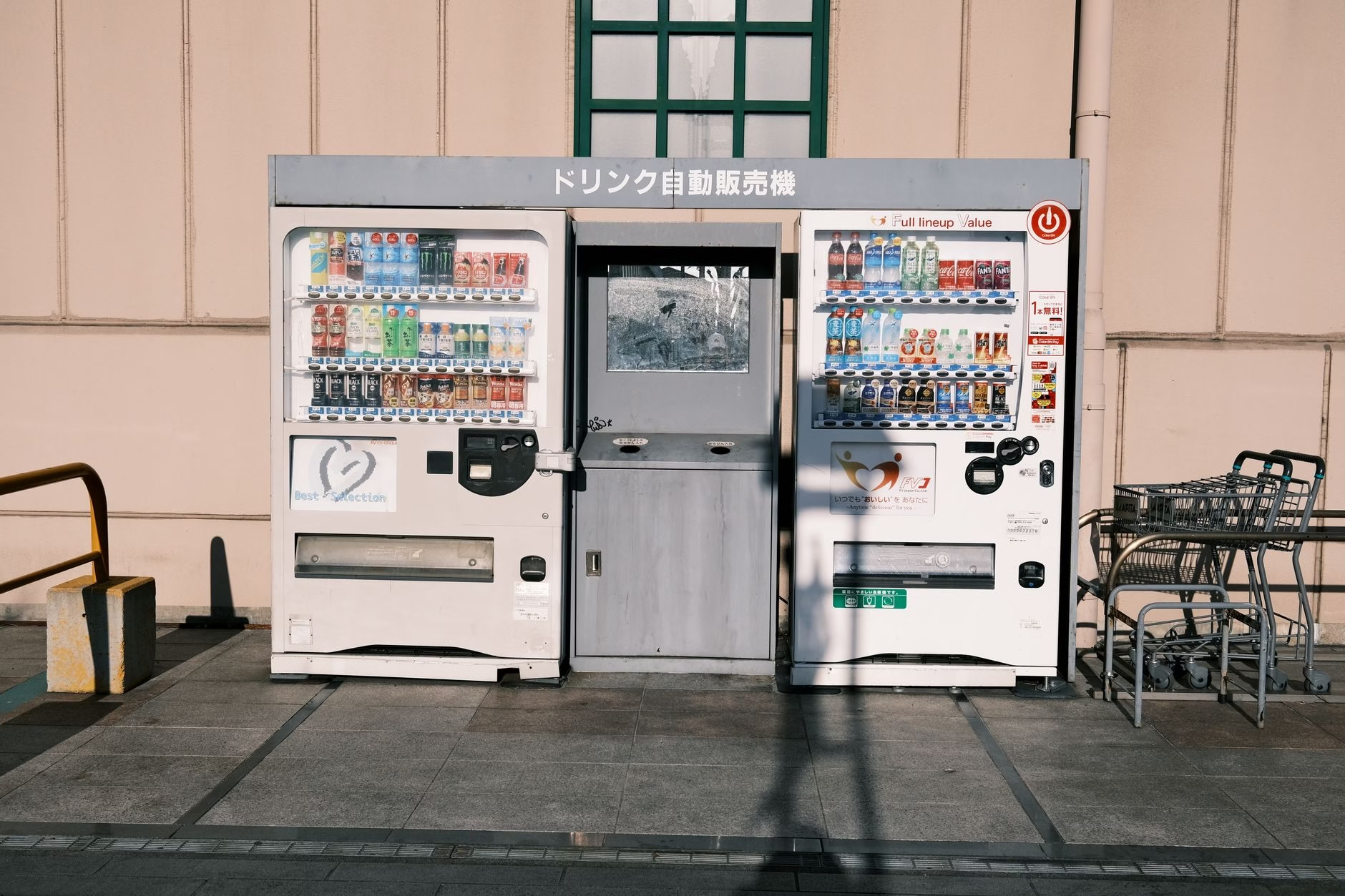
Retail technology continues to advance at a rapid pace, transforming how consumers access everyday goods. In recent years, automated retail solutions have expanded far beyond stationary kiosks located in office buildings and transit stations. Engineers and developers are constantly seeking innovative ways to bring products closer to the consumer with minimal human intervention.
Cities across the globe have embraced various forms of delivery automation, from aerial drones to sidewalk robots. These systems aim to reduce delivery friction and streamline the supply chain for food and beverage items. The latest development in this sector takes mobile commerce a step further by combining autonomous vehicle technology with on-demand retail.
Meet the Mobile Autonomous Vending Unit
Innovators in China have developed a unique type of commercial vehicle designed to function as a rolling storefront. Instead of waiting for a buyer to approach a fixed location, this machine actively seeks out customers by driving through designated areas.
Equipped with advanced navigation systems, the vehicle traverses public pathways and urban environments safely. It relies on a combination of sensors, cameras, and mapping software to detect obstacles, pedestrians, and traffic signals. This ensures that the unit can operate smoothly without posing a hazard to people or property.
How the Delivery Process Works
Using the self-driving shop is designed to be a straightforward experience for the end user. Individuals can typically interact with the vehicle through a mobile application or by signaling the unit when it is nearby.
Once a potential buyer stops the machine, they can browse the available inventory through an interactive exterior touchscreen. After selecting items such as beverages, snacks, or small convenience goods, the customer completes the payment digitally via smartphone.
Following a successful transaction, a secure compartment opens automatically, allowing the buyer to retrieve their purchased items. The vehicle then locks itself and resumes its autonomous route or travels to the next designated service zone.
Implications for Urban Logistics and Commerce
The deployment of mobile autonomous shops highlights shifting priorities in last-mile delivery and convenience retail. Traditional brick-and-mortar stores and fixed vending setups often face limitations regarding foot traffic and operating hours. A roving vehicle can dynamically adjust its location based on demand, moving toward parks during weekends or business districts during lunch hours.
While regulatory frameworks and safety standards will dictate how quickly these systems expand globally, the technology demonstrates significant potential. By blending transportation and retail into a single platform, urban centers may soon view mobile automated kiosks as a standard part of daily city life.




















Leave a Reply