



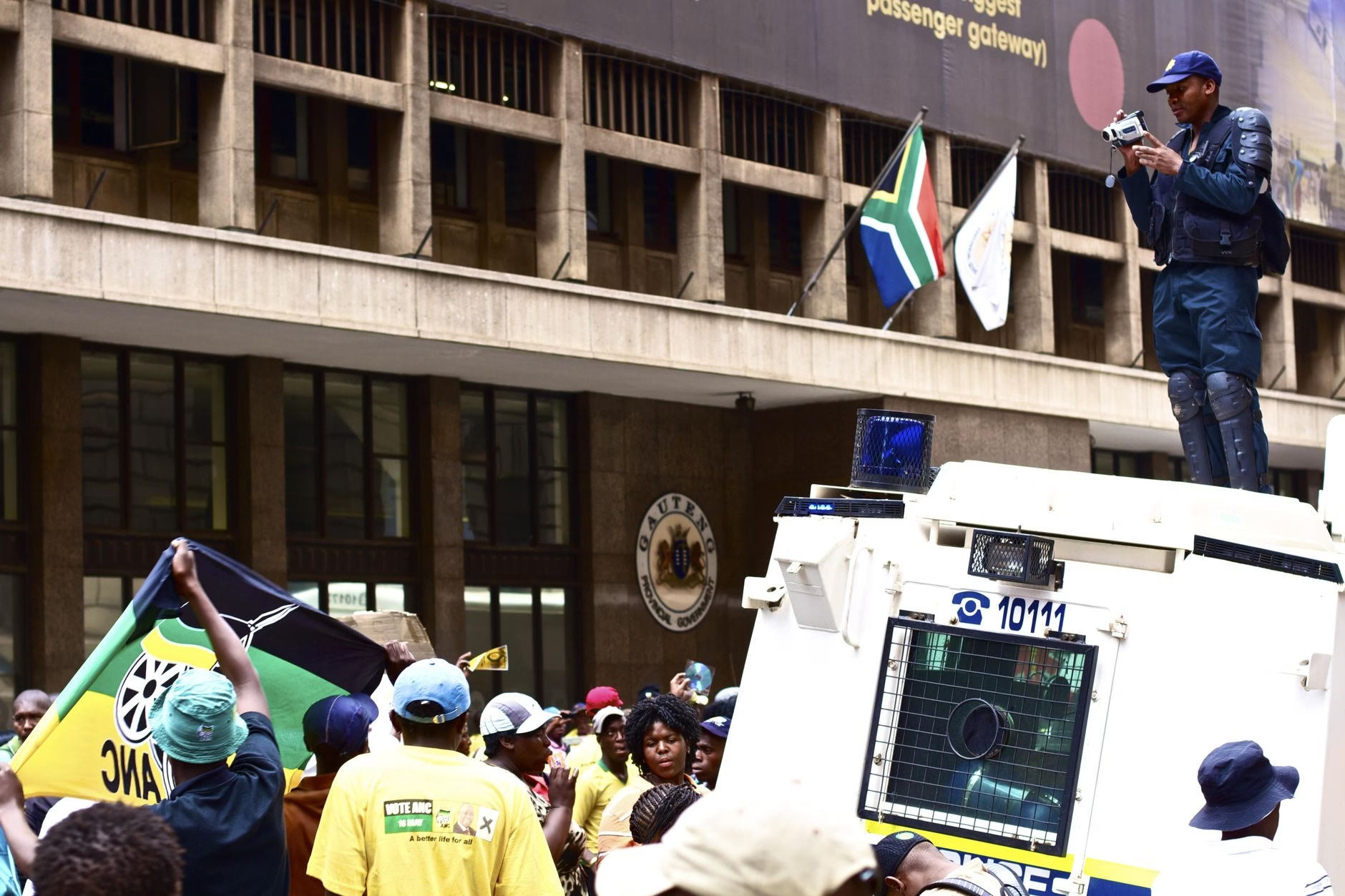
The United States government has declared a new series of travel restrictions directed at specific officials within South Africa. According to announcements made by the administration, these measures are a direct response to alleged discriminatory practices targeting White people and other minority populations within the nation. The diplomatic move signals a notable shift in bilateral relations and brings international attention to domestic policy debates concerning land reform, employment equity, and minority rights.
Background on the Diplomatic Decision
At the center of the American policy action are concerns regarding domestic legislation and administrative practices in South Africa. The administration asserts that certain government policies disproportionately affect minority communities, specifically pointing to measures involving property rights and labor regulations. Critics of these South African policies argue they create systemic disadvantages, while local authorities maintain these measures are necessary redress for historical injustices stemming from the apartheid era.
Details of the Travel Sanctions
The newly announced restrictions involve targeted travel bans against designated individuals identified as being responsible for implementing or overseeing these contested policies. By denying entry into the United States, the administration aims to exert diplomatic pressure on key decision-makers. Such targeted measures are frequently utilized in international relations to signal disapproval of specific foreign governance practices without imposing broad economic penalties that might harm the broader civilian population.
Reactions and International Implications
International responses to the announcement have varied significantly. Supporters of the American policy view the travel bans as a necessary defense of minority rights and equal protection under the law. Conversely, opponents and various analysts question the efficacy of such measures, suggesting they may unnecessarily strain diplomatic ties between the two nations. Furthermore, legal and political experts within South Africa continue to debate the balance between correcting historical economic disparities and ensuring fair treatment for all current citizens regardless of demographic background.
Looking Ahead in Bilateral Relations
As the diplomatic situation develops, both governments face the challenge of navigating these complex policy disagreements. The effectiveness of the travel restrictions remains to be seen, as does their potential to influence internal South African legislative debates. Observers internationally will be monitoring whether this American action prompts any modifications to domestic policies or leads to further diplomatic friction between Washington and Pretoria.



















Leave a Reply