


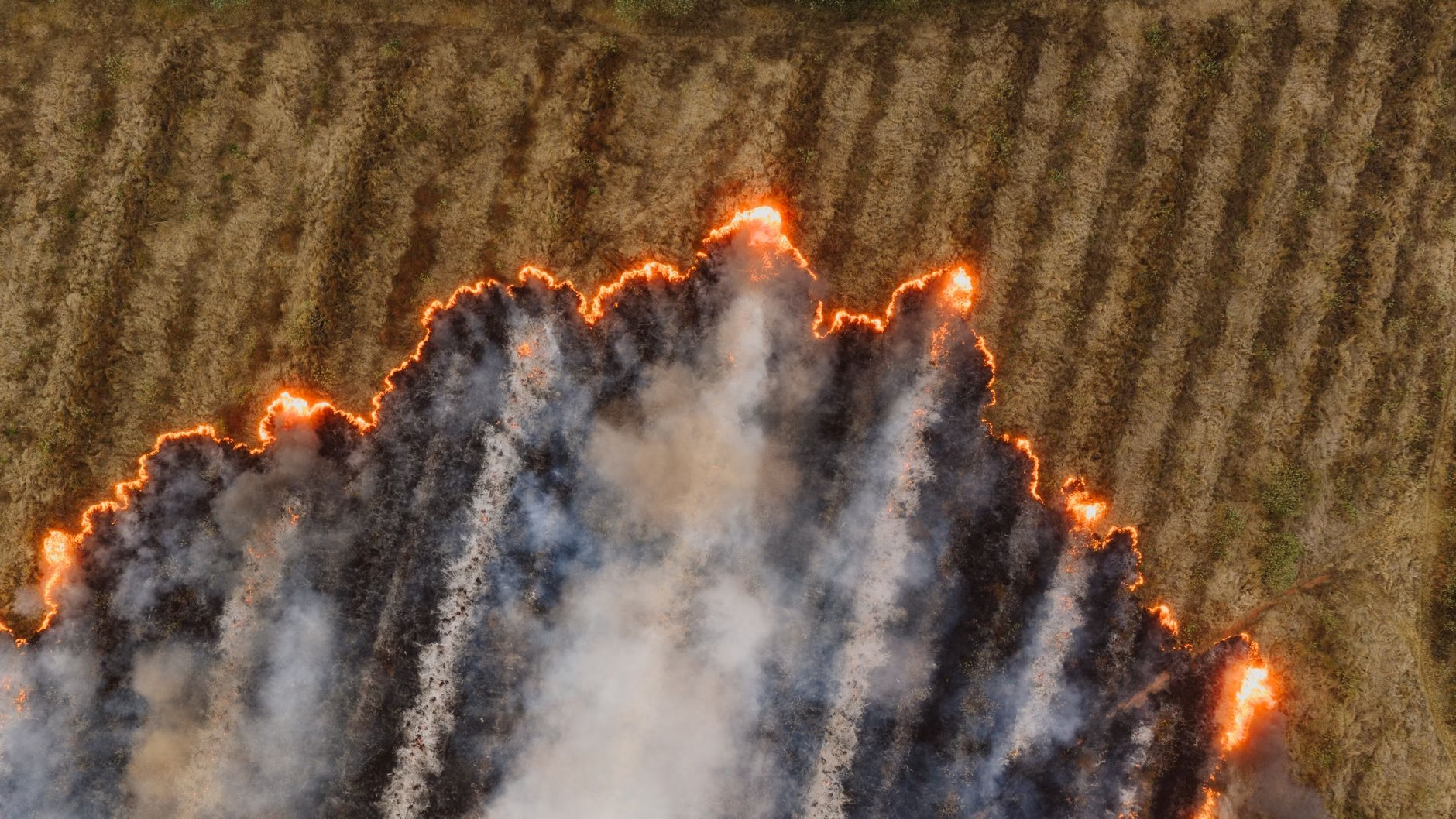
The ongoing wildfire crisis across parts of Indonesia could potentially persist until the beginning of November, according to government statements. Officials have urged heightened vigilance as meteorological conditions continue to favor the spread of blazes in affected regions. Emergency response teams remain deployed on the ground to combat the fires and mitigate environmental damage.
Understanding the Seasonal Impact
Seasonal weather patterns play a significant role in the duration and intensity of these fires. Extended dry periods often exacerbate conditions, making vegetation highly combustible and difficult to manage. Authorities continue to monitor weather forecasts closely to anticipate shifts in wind and precipitation that could influence firefighting efforts.
Environmental and Health Concerns
Prolonged burning poses serious challenges to local communities, particularly regarding air quality. Haze generated by the fires can reduce visibility and lead to respiratory issues for residents in affected areas. Health agencies advise vulnerable populations to take necessary precautions, such as wearing masks outdoors and minimizing strenuous physical activity.
Government and Community Response
National and local agencies are coordinating emergency protocols to suppress active blazes and prevent new outbreaks. Water-bombing aircraft and ground personnel are actively working in hard-to-reach terrain. Public awareness campaigns also encourage citizens to report smoke or potential fire hazards immediately to local authorities.
Looking Ahead
As the region waits for seasonal transitions to bring much-needed rainfall, readiness remains a top priority. Continuous monitoring and swift intervention will be critical in minimizing the long-term impact of the fires on local ecosystems and public well-being.

















Leave a Reply