


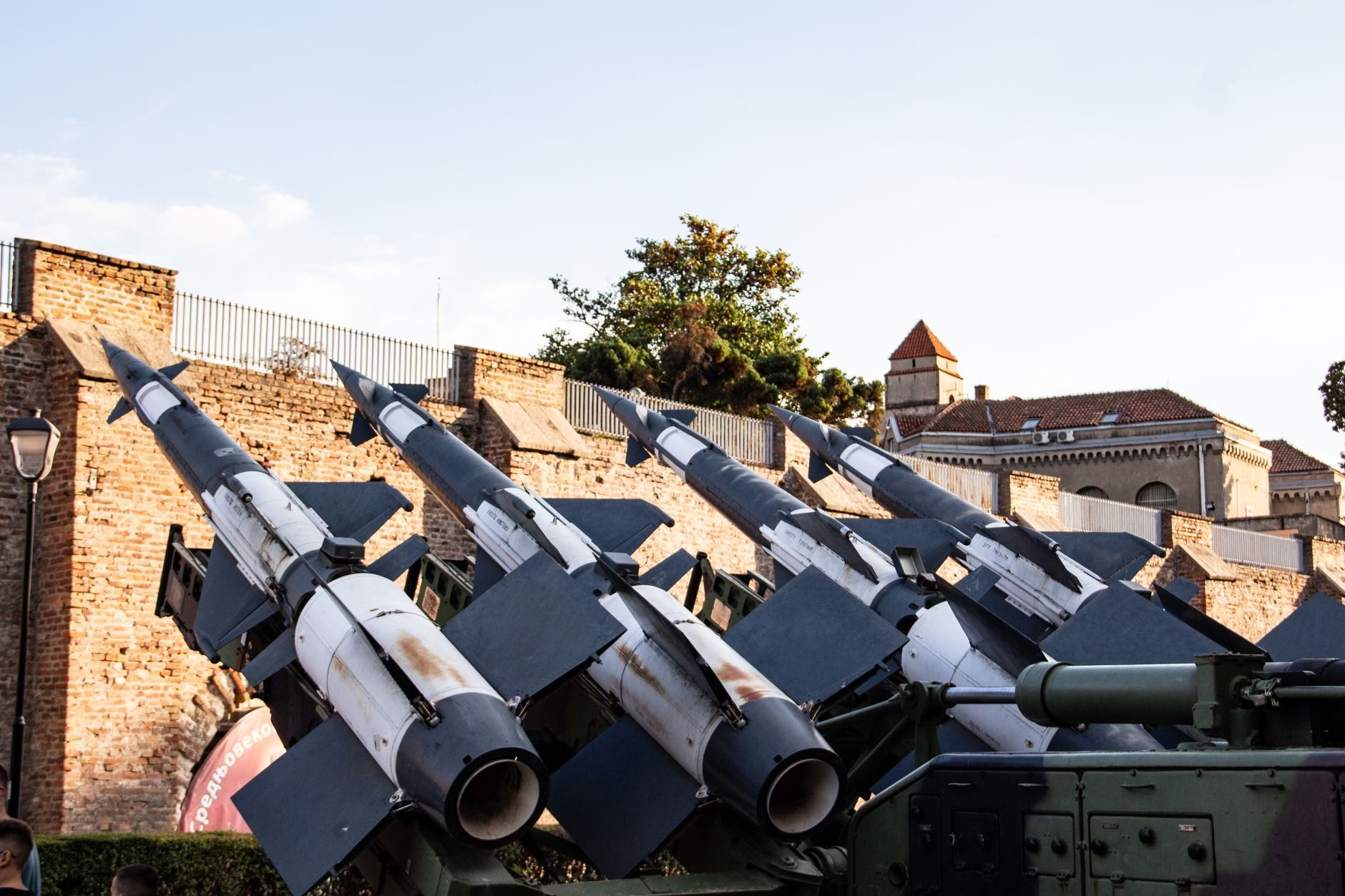
The ongoing conflict in Eastern Europe has brought global supply chains under intense scrutiny, particularly regarding how advanced technology reaches the battlefield. Ukrainian officials have recently directed a critical message toward Asian countries, pointing out that vital microchips and semiconductor components manufactured in the region are regularly being discovered inside Russian military hardware and missiles. This diplomatic and economic outreach highlights the complex challenges of international trade enforcement and the leakage of dual-use technologies.
The Flow of Critical Components
Modern weaponry relies heavily on advanced electronics to guide targeting systems and maintain operational efficiency. Despite sweeping international sanctions designed to restrict Moscow access to high-tech goods, critical components continue to find their way into the hands of Russian manufacturers. Ukrainian representatives emphasize that these items often transit through intermediary third-party nations before reaching their final destination in military assembly plants. For Asian manufacturing hubs, this reality underscores the urgent need for stricter export controls and heightened vigilance over commercial distribution networks.
Economic Pressure and Oil Revenues
Beyond the technological supply chain, the strategy for ending the hostilities heavily involves cutting off the financial lifelines supporting the military campaign. According to recent assessments shared by Ukrainian sanctions officials, aggressive financial measures could drastically alter the strategic balance on the ground. Specifically, experts suggest that if oil revenues generated by Moscow were to be cut in half, the government might face severe budgetary constraints that could force a military retreat within a relatively short timeframe of six months. Energy exports remain the primary engine funding the ongoing operations, making petroleum restrictions just as crucial as technological blockades.
The Responsibility of Global Manufacturers
Addressing the proliferation of commercial technology into weaponry requires unprecedented cooperation between governments and private sector manufacturers. Many of the microchips found in recovered missile debris are standard commercial items rather than specialized military-grade hardware. This makes regulation exceptionally difficult, as these components are mass-produced for everyday consumer electronics like automobiles, appliances, and computing devices. Asian economies, which dominate global electronics production, are uniquely positioned to tighten compliance standards and trace shipments more effectively to prevent diversion.
Path Forward for International Enforcement
As diplomatic efforts continue, Ukraine is pressing international partners to close remaining regulatory loopholes and enforce existing restrictions more rigorously. The discovery of Asian-made components in destructive munitions serves as a stark reminder of how interconnected the modern global economy truly is. Without enhanced monitoring and a unified international commitment to stopping the flow of both capital and technology, the conflict risks prolonged instability driven by external commercial supplies.





















Leave a Reply