


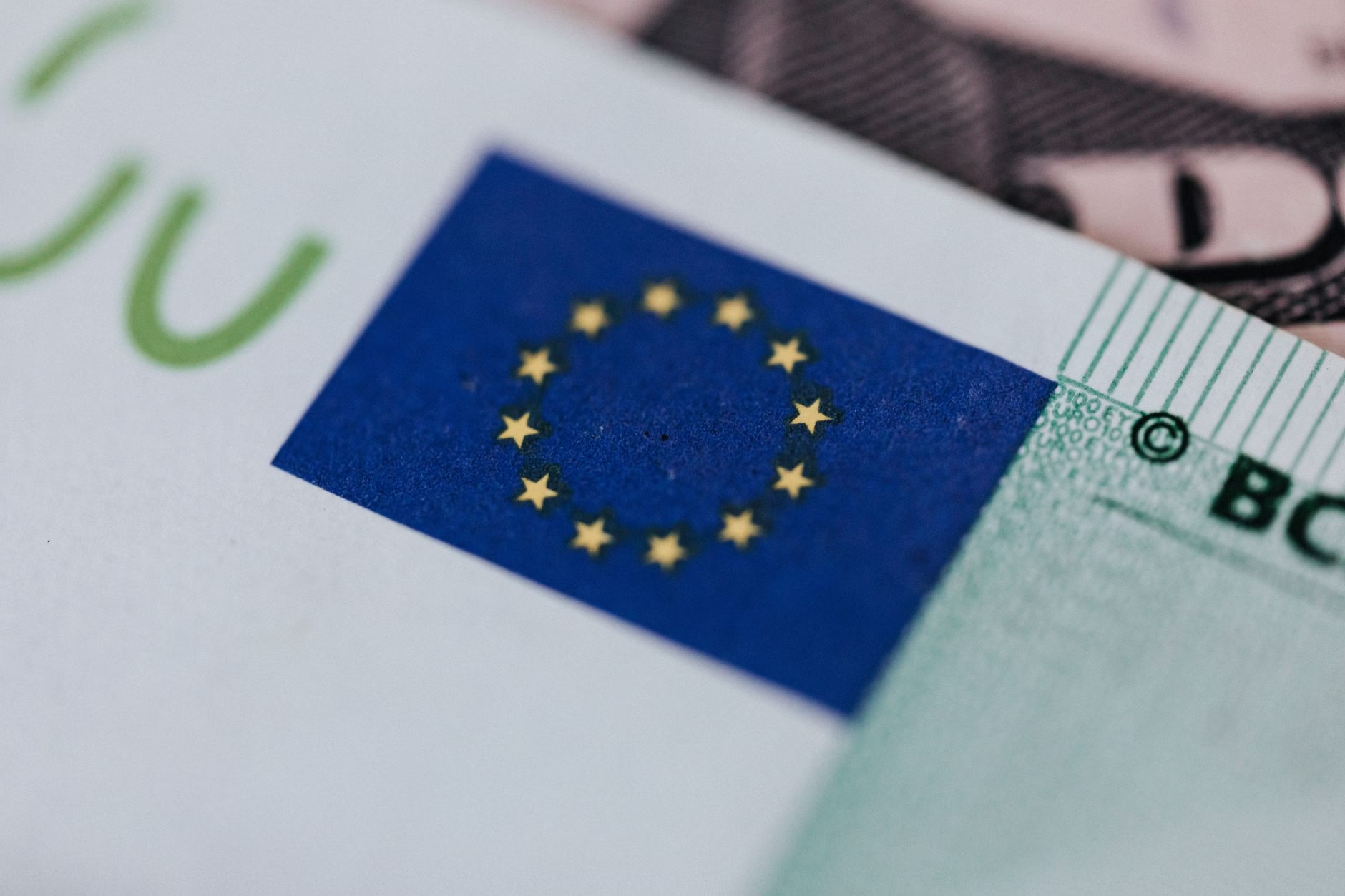
Addressing Trade Imbalances
The leadership of the European Union has made clear its intention to utilize all available regulatory and economic mechanisms to correct the persistent trade deficit with Beijing. Policymakers in Brussels are increasingly concerned about market distortions and structural disparities that favor external producers at the expense of domestic industries.
Strategic Economic Review
During high-level discussions, the President of the European Commission emphasized that open markets must also be fair markets. The current trajectory of commerce between the two economic superpowers reveals a widening gap that regional officials argue is unsustainable in the long term.
Deploying Regulatory Instruments
Brussels possesses a growing arsenal of defensive trade instruments designed to counteract unfair subsidies, intellectual property theft, and market access barriers. These legislative tools allow the bloc to impose targeted duties and restrict foreign participation in strategic public procurement tenders when reciprocal access is denied.
Protecting Industrial Competitiveness
Key manufacturing sectors within the continent face intense competitive pressures, particularly in green technology, automotive production, and advanced manufacturing. European authorities maintain that safeguarding these foundational industries is vital for maintaining economic sovereignty and long-term employment stability.
Navigating Diplomatic Relations
While officials stress the importance of maintaining open dialogue and avoiding unnecessary escalation, the firm stance signals a clear shift toward a more assertive economic security policy. The coming months will likely see increased scrutiny on bilateral trade practices as the union implements its comprehensive strategy.




















Leave a Reply