


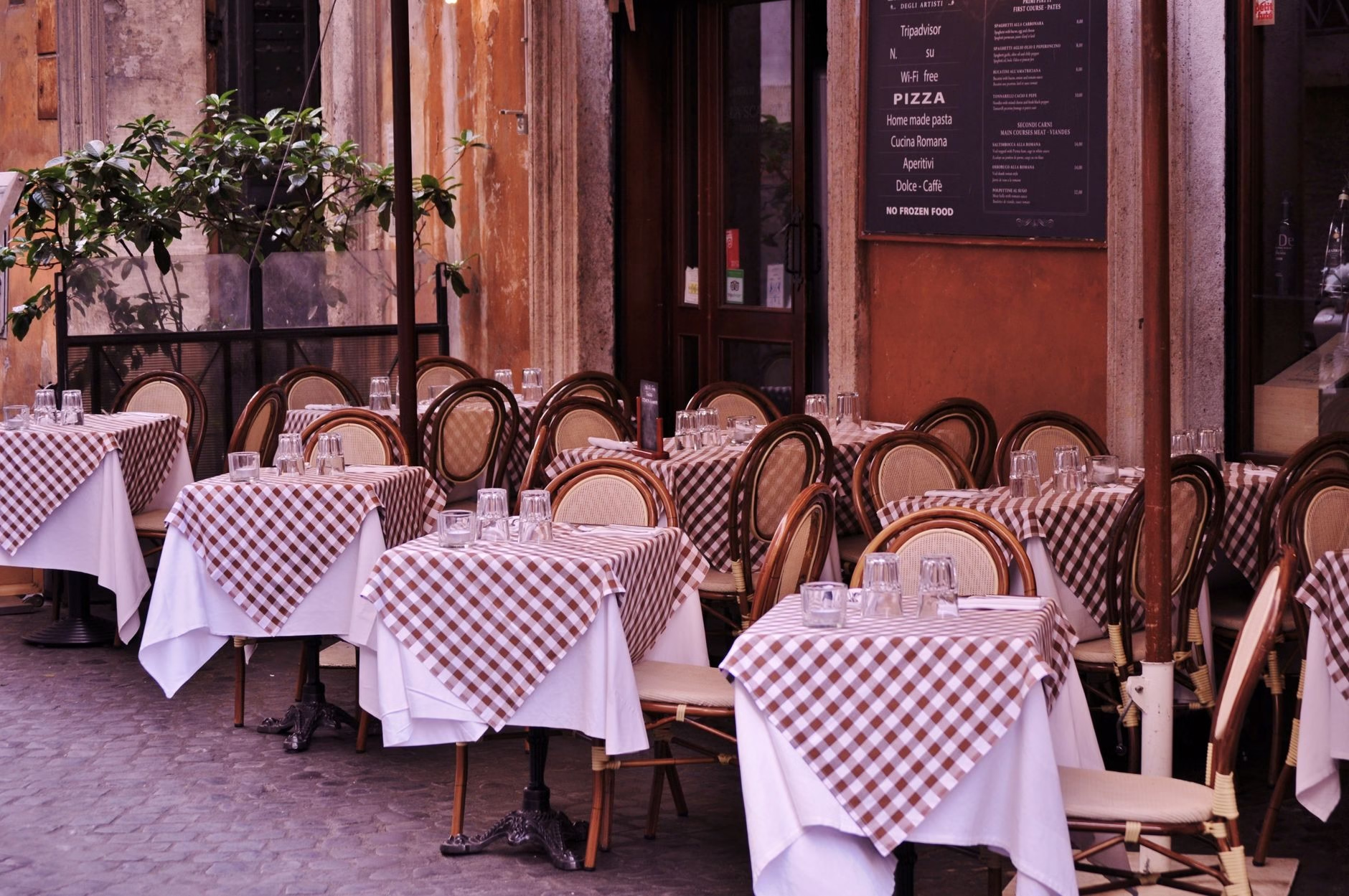
Traveling to Italy offers an unforgettable culinary journey filled with regional specialties, rich wines, and centuries-old recipes. However, many visitors unknowingly fall into common dining traps that diminish their gastronomic experience. Understanding local dining culture is essential for anyone hoping to truly appreciate the flavors of the country without overpaying for subpar meals.
Introduction to Italian Dining Culture
When exploring the bustling streets of Rome, Florence, or Venice, the sheer number of eateries can feel overwhelming. Many establishments cater directly to international visitors by offering multi-language menus featuring universally recognized dishes. While these places might seem convenient, they often lack the authenticity and quality that make Italian food world-renowned.
Experts in European travel often emphasize the importance of looking beyond the obvious locations. Restaurants situated immediately adjacent to major historical monuments or famous piazzas frequently rely on high foot traffic rather than repeat local clientele. Consequently, the food served at these venues may be mass-produced, reheated, or overpriced.
Recognizing Tourist Traps
One of the most telling signs of a tourist trap is a menu translated into four or five different languages accompanied by photographs of the dishes. Authentic local trattorias rarely need to display pictures of their food outside. Their menus are typically written in Italian, sometimes changing daily based on the availability of seasonal ingredients.
Another critical factor to consider is timing. Locals in Italy adhere to specific mealtimes, usually eating lunch between one and three in the afternoon and dinner starting around eight or nine in the evening. Establishments that serve hot food continuously throughout the afternoon are often catering exclusively to travelers who have not synchronized with local rhythms.
Finding Authentic Trattorias
To secure an exceptional meal, travelers should venture a few blocks away from major tourist attractions. Exploring side streets and residential neighborhoods often reveals hidden gems where families have been perfecting traditional recipes for generations.
Observing the clientele is another reliable method for spotting great food. If a restaurant is packed with local residents chatting loudly and enjoying long meals, it is a strong indicator of quality. Conversely, a dining room filled entirely with foreigners holding guidebooks should serve as a warning sign.
Navigating the Italian Menu
Understanding the structure of an Italian menu ensures a smoother dining experience and prevents awkward misunderstandings with the waitstaff. A traditional meal is broken down into distinct courses, starting with antipasti, followed by primo, secondo, contorno, and finally dolce.
Ordering every course is not mandatory, but knowing what each category represents helps build a balanced meal. The primo typically consists of pasta, risotto, or soup, while the secondo features meat or fish dishes. Remembering that side dishes, or contorni, are usually ordered separately prevents unexpected surprises when the bill arrives.
Embracing Local Etiquette
Beyond choosing the right restaurant, respecting local customs enhances the overall experience. For instance, asking for excessive modifications to a dish can sometimes offend the chef, who has crafted the recipe to highlight specific flavor profiles.
Tipping culture in Italy also differs significantly from North America. Service charges are frequently included in the bill as a coperto or servizio, meaning large tips are unnecessary. Leaving a small token of appreciation for exceptional service is always welcome, but standard heavy tipping is not expected.
Conclusion
Avoiding common dining mistakes allows travelers to connect more deeply with the culture and traditions of Italy. By stepping away from the bustling piazzas, observing local habits, and embracing authentic culinary practices, every meal becomes a memorable highlight of the journey. Planning ahead and remaining open to new experiences ensures that your Italian vacation is as delicious as it is enriching.






















Leave a Reply