


Constitutional Powers and Legislative Authority
The fundamental separation of powers established by the United States Constitution requires that the legislative branch holds the exclusive authority to declare war. Members of Congress take oaths to uphold these constitutional safeguards, ensuring that executive branch officials do not unilaterally commit the nation to armed conflict without proper authorization from elected representatives.
Recent military orders directed toward Iran have sparked intense legal and political scrutiny regarding how these directives were executed. When military operations commence without a formal declaration of war or specific statutory authorization from lawmakers, questions inevitably arise concerning executive overreach and compliance with the War Powers Resolution.
Actions Taken by Representative Massie
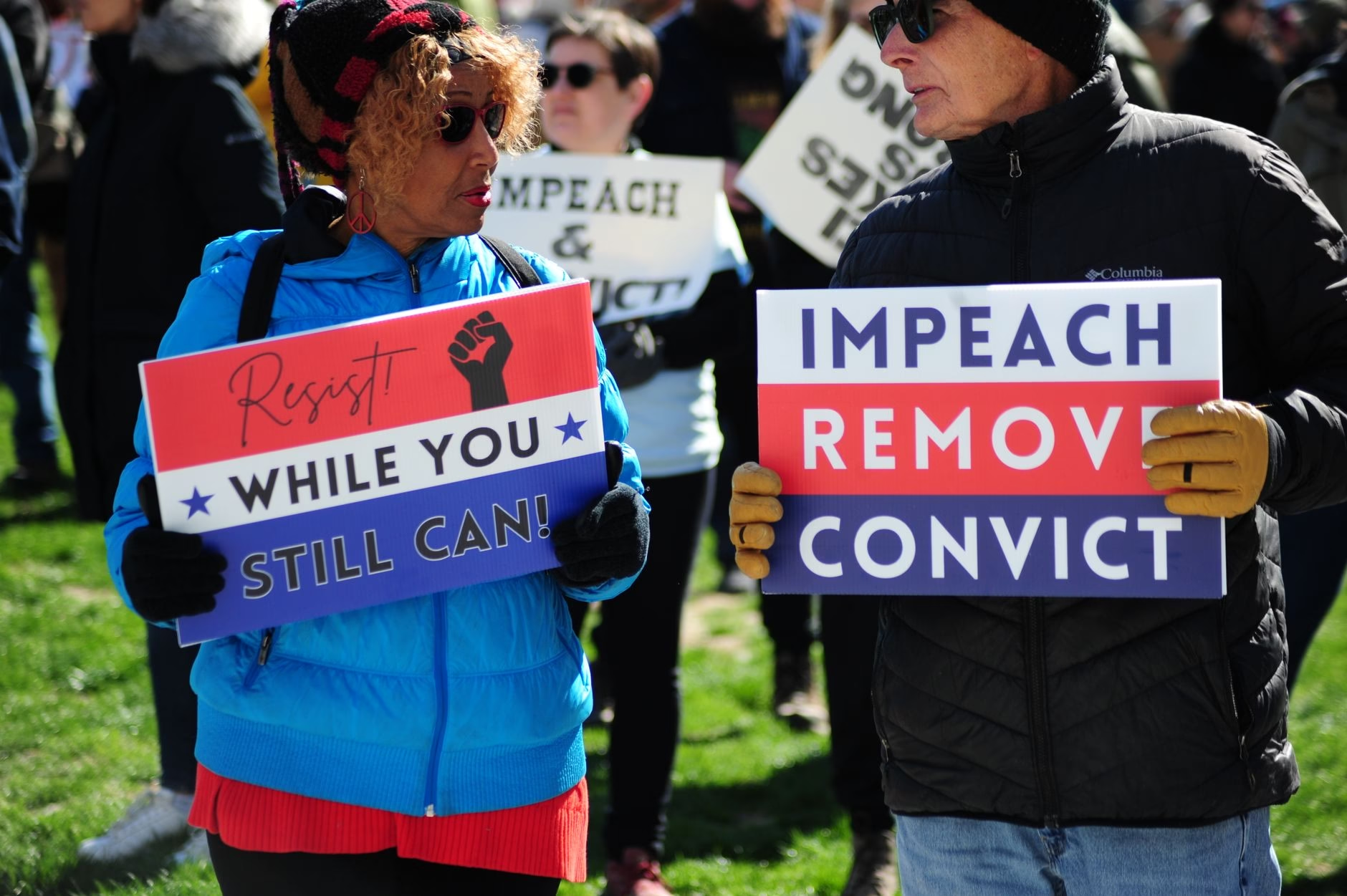
Republican Representative Thomas Massie formally introduced impeachment articles targeting Defense Secretary Pete Hegseth. This legislative maneuver directly addresses military engagements involving Iran that proceeded without prior congressional approval.
By filing these articles, the lawmaker emphasizes the necessity of legislative oversight in military affairs. The core argument centers on the principle that no single administration official possesses the authority to bypass Congress when initiating hostile actions overseas.
Implications for National Leadership
The introduction of impeachment measures against a cabinet member represents a severe escalation in legislative and executive branch tensions. Such actions underscore deep divisions regarding war powers and the appropriate boundaries of executive branch military command.
As this legislative process moves forward, lawmakers from various political backgrounds will need to evaluate the constitutional scope of military directives. The outcome may establish a significant precedent for how future administrations interact with Congress concerning international conflicts and military deployments.





















Leave a Reply