


Legal Background and Recent Developments
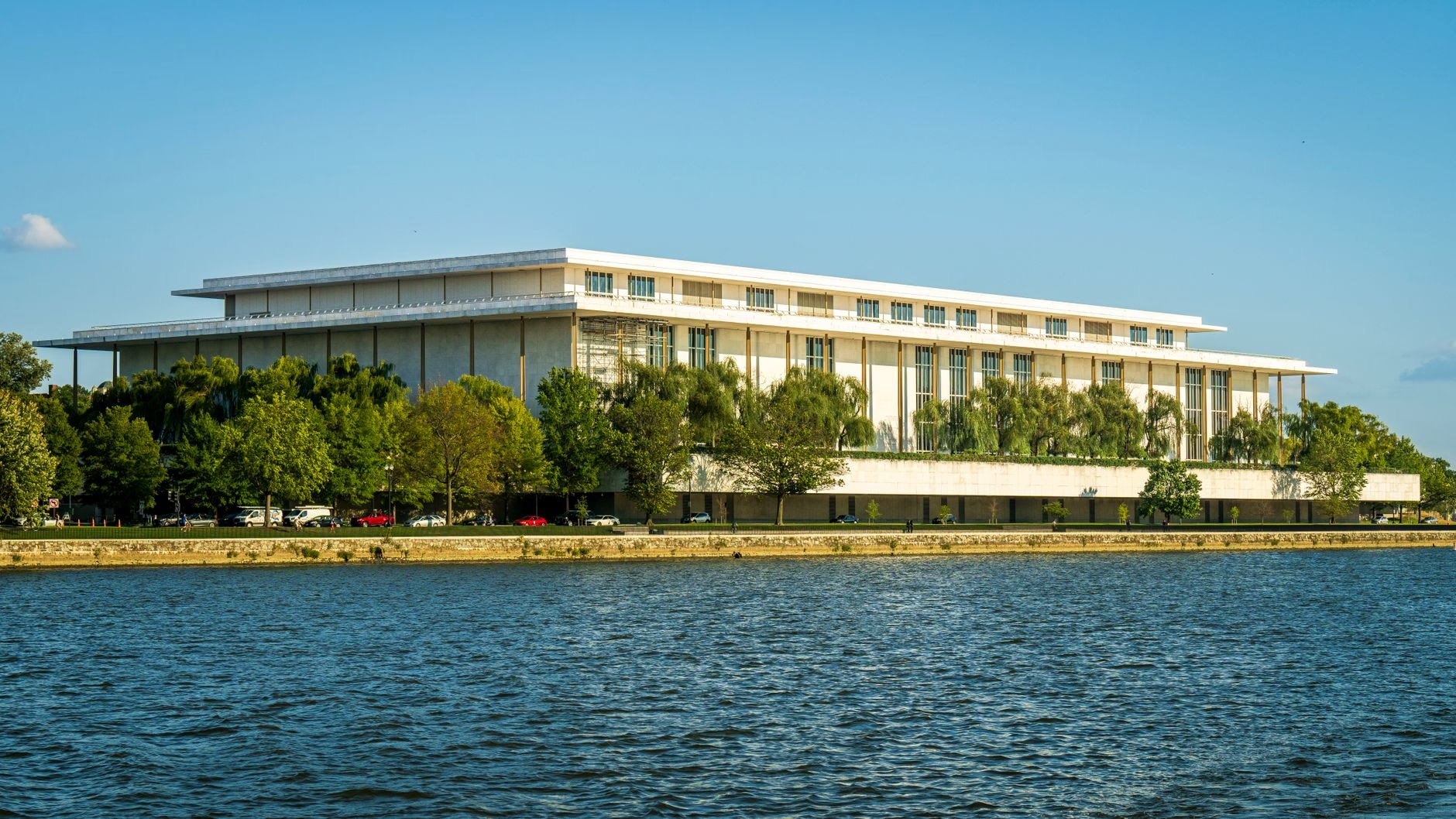
A federal judge has issued a significant legal ruling regarding the naming rights and architectural designations at a prominent national cultural institution. The decision specifically prohibits the governing board of the facility from placing a former president’s name on a major public plaza and an associated building. This latest development adds another layer to an ongoing legal dispute concerning public property honors and administrative authority.
The judicial intervention arrives four months after the exact same jurist issued a preliminary order. That previous instruction explicitly prohibited the cultural institution from undergoing a complete renaming process that would have incorporated the name of Donald Trump. The latest court action extends these protections, ensuring that specific sections of the campus also remain free from the proposed honorary designations.
Understanding the Governing Board Decisions
The controversy began when members of the institution’s governing board voted to move forward with the naming initiatives. Proponents of the change argued that recognizing significant political figures aligns with historical precedents for national monuments and public spaces. However, critics and opposing legal representatives challenged the authority of the board to implement such sweeping modifications without broader consensus or adherence to established procedural guidelines.
Legal analysts have closely monitored the proceedings due to the intersection of political influence and public trust management. The board’s initial proposals generated intense public debate, dividing opinions among patrons, lawmakers, and preservationists. As the legal battles continued, the focus shifted toward whether the governing body exceeded its statutory mandate by attempting to alter the identity of a federally supported cultural landmark.
Implications for National Cultural Landmarks
The preservation of historic names and neutral public spaces remains a cornerstone of institutional governance across the nation. Cultural facilities that receive federal backing or operate under congressional charters are held to rigorous standards regarding public representation and neutrality. The court’s ruling reinforces the principle that major structural and locational renaming efforts require strict adherence to regulatory frameworks and cannot be executed unilaterally by a shifting board majority.
Legal experts anticipate that the board may appeal the decision, although no official announcements regarding further litigation have been made public. In the meantime, the injunction remains fully active, preventing any physical changes to the signage, plaques, or architectural markers on the plaza and the building in question. The institution will continue operating under its established historical identity while the broader legal questions are addressed in subsequent judicial reviews.






















Leave a Reply