


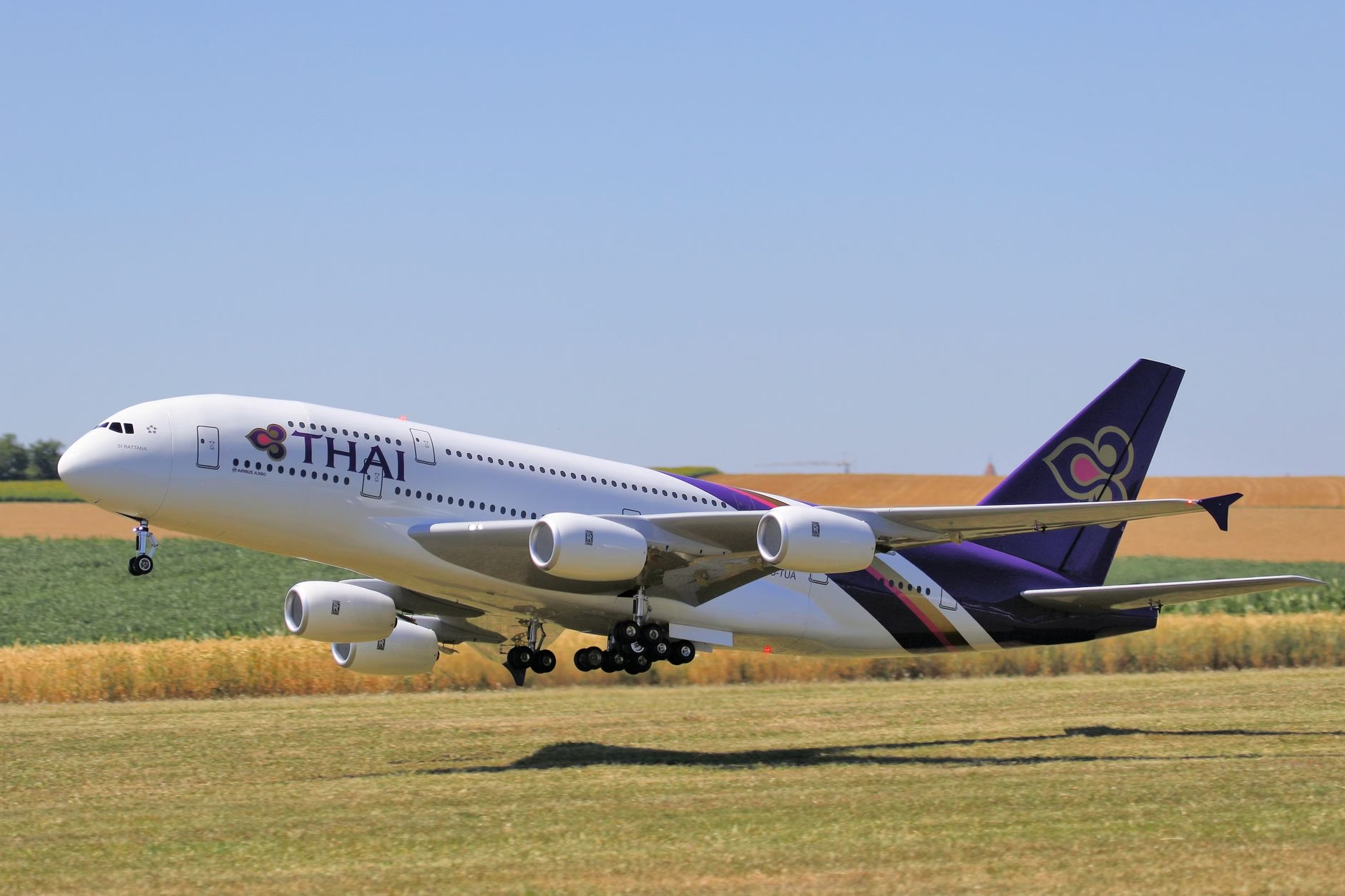
The Fate of the Superjumbo Fleet
The aviation industry has undergone massive transformations over recent years, particularly in the wake of global travel restrictions and shifting economic demands. Among the most noticeable casualties of this shifting landscape has been the iconic double-deck aircraft that once dominated major international routes. Major airlines worldwide rushed to retire their largest quad-engine planes in favor of more efficient twin-engine jets. However, the path taken by certain flag carriers has presented a unique set of circumstances, leaving aviation enthusiasts and industry analysts questioning the ultimate destiny of these massive machines.
Understanding the Thai Fleet Strategy
When global health concerns brought international aviation to a near standstill, carriers faced unprecedented financial pressure. Maintaining massive aircraft that require substantial operational costs became unsustainable. Several prominent operators immediately initiated the permanent retirement and dismantling of their largest models. In contrast, other companies adopted a more measured approach, placing their flagship equipment into long-term storage while evaluating future market conditions and passenger demand recovery.
The Strategic Value of Large Capacity
As travel demand eventually rebounded, the economics of long-haul aviation shifted once again. High-density routes connecting major global hubs began experiencing passenger volumes that occasionally overwhelmed standard widebody aircraft. This resurgence prompted renewed discussions regarding the potential reactivation of high-capacity models. Nevertheless, bringing a dormant superjumbo back into active commercial service involves significant financial investment, extensive maintenance checks, and specialized crew training that cannot be undertaken lightly.
Maintenance and Restoration Challenges
Reactivating an aircraft that has spent years in storage is a complex and costly engineering endeavor. Components degrade, systems require exhaustive testing, and cabin interiors often need complete overhauls to meet modern passenger expectations. For carriers navigating financial restructuring, allocating substantial capital toward the revival of aging quad-engine jets competes directly with investments in next-generation, fuel-efficient fleet additions.
The Future Outlook for the Giant Jets
The ultimate trajectory for these grounded aircraft remains uncertain as airlines balance historical prestige with modern operational realities. While the era of the superjumbo is undeniably drawing to a close across the broader global aviation sector, the lingering presence of these massive airframes serves as a reminder of a distinct chapter in commercial aviation history. Stakeholders continue to monitor market conditions closely, weighing the diminishing operational lifespan of these iconic planes against the immediate demands of international connectivity.






















Leave a Reply