


Introduction to the New Arrival
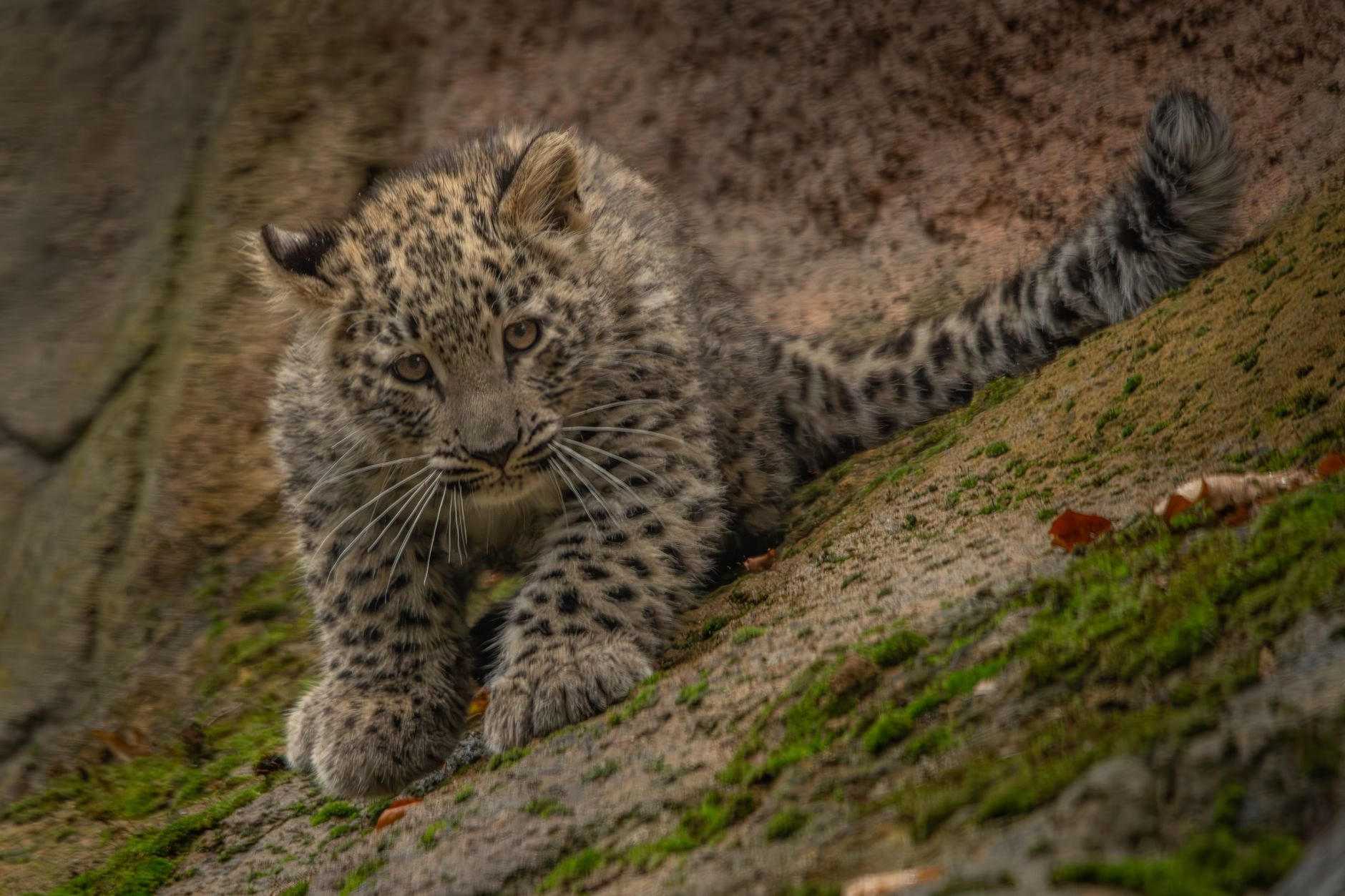
Wildlife conservationists and animal lovers are celebrating a significant milestone following the birth of a critically endangered Amur leopard cub at the Cleveland Metroparks Zoo. This exciting addition represents a beacon of hope for a subspecies that faces severe threats to its survival in the wild. As one of the rarest big cats on the planet, every new birth plays a critical role in maintaining a healthy and genetically diverse insurance population under human care.
The newborn cub was born to experienced parents and is currently bonding well behind the scenes. Zoo officials report that the mother is providing attentive and nurturing care, ensuring the infant remains healthy during these crucial early weeks of development. While the public cannot yet view the cub directly in its habitat, the zoo has shared updates and imagery to keep supporters informed and engaged.
Understanding the Amur Leopard Crisis
Amur leopards are recognized globally as one of the most endangered feline populations. Native to the temperate forests of eastern Russia and parts of northern China, these magnificent animals have suffered drastic population declines due to habitat loss, human encroachment, and illegal poaching. Conservation efforts, including the Species Survival Plan managed by the Association of Zoos and Aquariums, work tirelessly to protect their future.
Breeding programs in accredited institutions serve as a vital safeguard against extinction. By maintaining robust numbers in professional facilities, conservation organizations ensure that the species retains genetic viability. The arrival of this new cub at the Cleveland Metroparks Zoo directly contributes to these international preservation initiatives, highlighting the importance of modern zoological institutions in wildlife protection.
How You Can Help Choose the Name
Involving the community in conservation milestones has become a popular tradition, and the Cleveland Metroparks Zoo is offering supporters a unique opportunity to participate. Animal enthusiasts and community members can take part in a special naming campaign for the male cub.
To cast a vote, visitors and online supporters can make a charitable donation to the zoo’s future conservation efforts. A curated selection of culturally appropriate and meaningful names has been shortlisted by the animal care team. Each contribution not only grants a vote toward the final moniker but also directly supports vital wildlife protection programs both locally and globally.
Looking Ahead to Public Debuts
As the cub grows stronger and meets important developmental milestones, the animal care staff will begin preparing him for public visibility. Gradual introductions to the main outdoor habitat will occur once the veterinary team gives clearance, ensuring both the mother and cub feel secure in their environment.
Zoo leadership anticipates that the new arrival will draw significant interest from visitors eager to catch a glimpse of the rare predator. Beyond the immediate excitement, officials hope the cub serves as an ambassador for its wild counterparts, inspiring a deeper appreciation for biodiversity and motivating the public to support ongoing conservation initiatives.






















Leave a Reply