


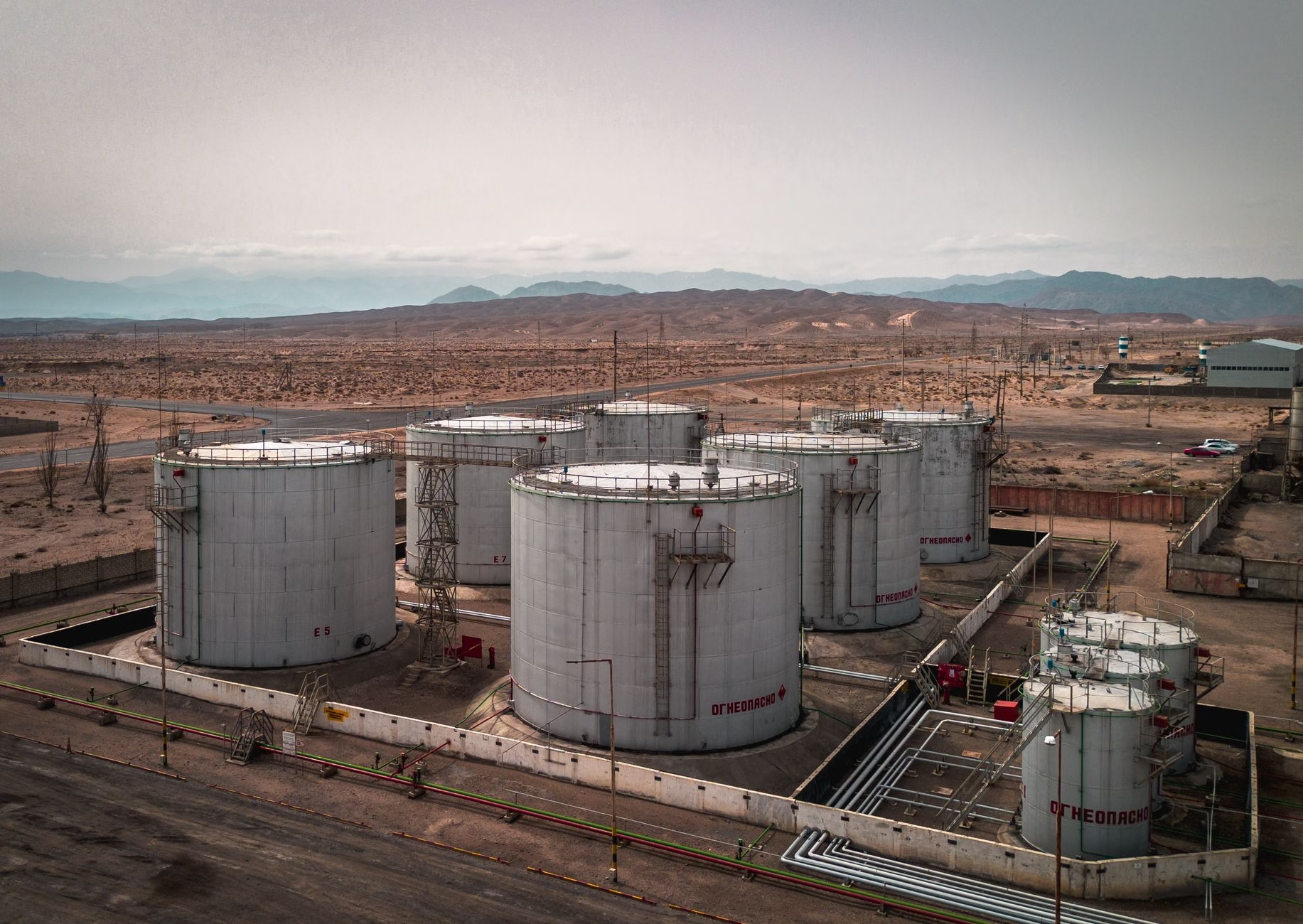
Federal authorities in the United States have initiated legal action to seize approximately 61 million dollars in digital assets. According to court filings, these funds represent the alleged proceeds of illicit petroleum transactions involving Iranian oil sold to buyers in China. The case highlights ongoing international enforcement efforts targeting clandestine financial networks that allegedly support foreign governments through unauthorized energy commerce.
Background of the Financial Investigation
The legal proceedings focus on the movement of funds through digital asset exchange accounts. Investigators claim that two distinct corporate entities based in China utilized mainstream cryptocurrency platforms to process and launder money generated from petroleum sales. By leveraging digital currencies, the involved parties allegedly attempted to obscure the origin of the capital and bypass established international trade restrictions.
The Role of Digital Asset Exchanges
The use of online trading platforms has become a significant focal point for financial regulators and law enforcement agencies globally. In this specific matter, the digital accounts hosted on major platforms like Binance were reportedly used to handle substantial transaction volumes. Authorities assert that these accounts facilitated the transfer of funds ultimately directed toward Tehran or affiliated regional proxies.
Enforcement and Compliance Implications
This enforcement action underscores the increasing scrutiny applied to cryptocurrency transactions by global financial watchdogs. Governments are allocating more resources to track and intercept digital currency flows that breach economic sanctions. As regulatory frameworks continue to tighten, financial technology firms face heightened pressure to monitor suspicious activities and cooperate with international law enforcement agencies to prevent illicit finance.






















Leave a Reply