


Introduction
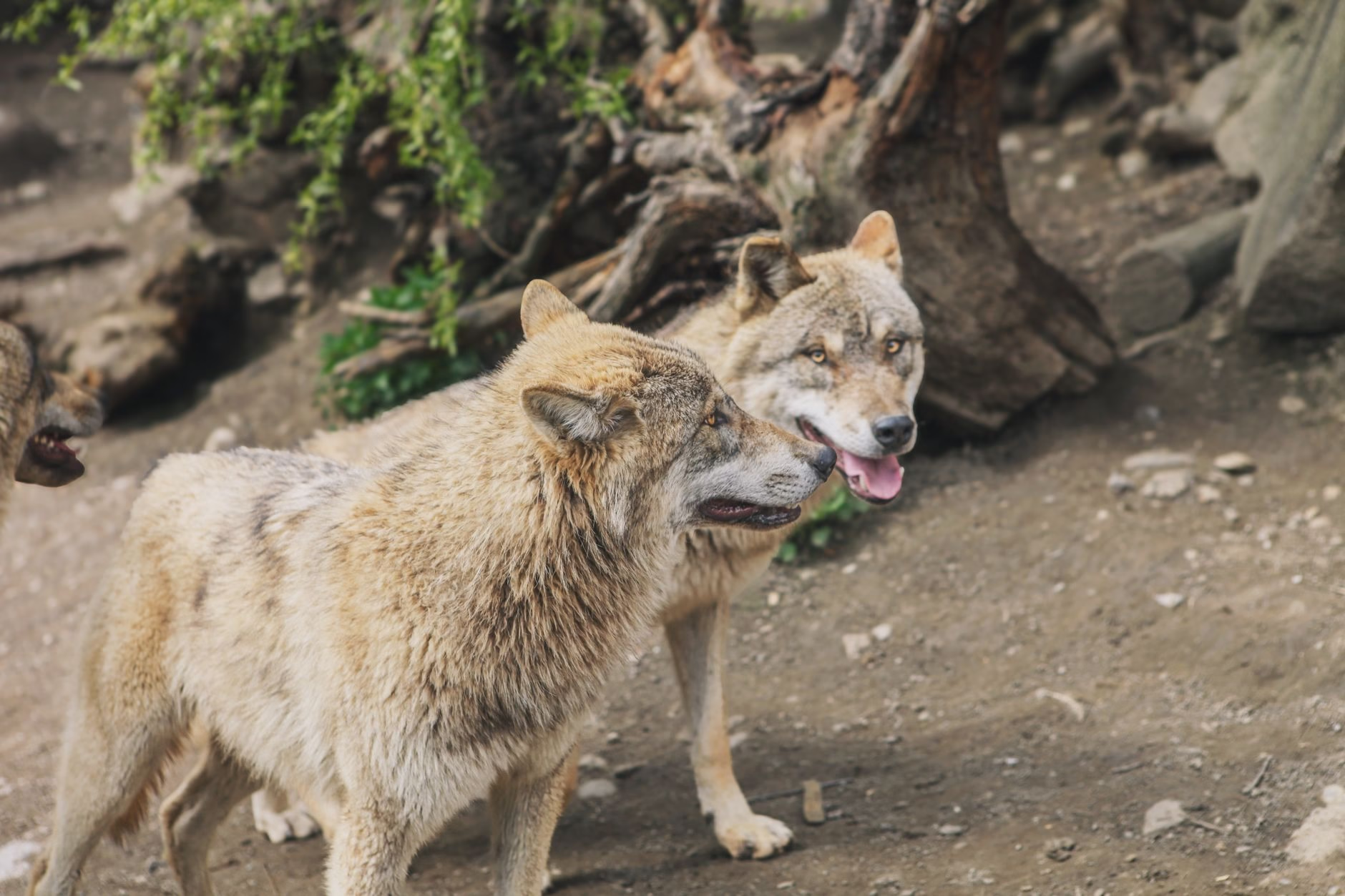
The presence of wolves across the Italian landscape has increasingly become a subject of intense public debate. As animal numbers rise and packs expand into new territories, communities find themselves navigating the complexities of sharing space with a formidable predator. While conservationists celebrate the recovery of a species that was once on the brink of extinction, rural residents and livestock farmers often view the population surge with growing anxiety.
Historical Context of Italian Wolves
Decades ago, the Italian wolf population reached a critical low, numbering only a few hundred individuals largely restricted to the southern regions of the country. Strict legal protections enacted in the late twentieth century allowed the species to rebound remarkably. Natural migration corridors and abundant wild prey, particularly wild boars and roe deer, facilitated the gradual return of the predator to the Apennine mountain range and eventually into alpine environments.
Today, these animals roam across nearly the entire Italian peninsula. This biological success story, however, brings unique modern challenges. The expansion is no longer confined to remote wilderness areas, as wolves increasingly interact with human-dominated landscapes, suburban fringes, and agricultural holdings.
Navigating Myths and Public Perception
Public discourse surrounding the canids is frequently fueled by sensationalism and entrenched folklore. Exaggerated accounts of danger can overshadow scientific reality, creating unnecessary panic among local populations. Wildlife experts consistently emphasize that healthy predators naturally avoid humans whenever possible, preferring wild prey over domestic alternatives.
Despite scientific reassurances, incidents involving livestock predation amplify tensions. When agricultural losses mount, fear often turns into hostility toward conservation policies. Addressing these concerns requires transparent communication, dispelling persistent myths, and relying on empirical data rather than emotional reactions to ensure balanced public understanding.
Agricultural Impacts and Protection Measures
For livestock farmers operating in traditional grazing zones, the resurgence of predators presents a direct threat to their livelihoods. Protecting sheep, goats, and cattle requires significant investments in time, labor, and financial resources.
Modern prevention strategies focus heavily on non-lethal deterrents. Reinforced fencing, specialized livestock guardian dogs, and night enclosures have proven effective in reducing predation rates. However, implementing these safeguards across rugged terrain demands robust institutional support and timely compensation schemes for affected producers to maintain rural economic viability.
Policy, Management, and the Path Forward
Effective management of protected species requires coordinated efforts among regional authorities, conservationists, and agricultural stakeholders. Policymakers face the delicate task of balancing ecological preservation with the socioeconomic needs of rural communities.
Ongoing monitoring programs provide essential data on pack dynamics, population density, and health status. This information helps authorities deploy targeted interventions when specific packs exhibit problematic behavior near human settlements.
Ultimately, sustainable coexistence relies on mutual adaptation. As the landscape continues to evolve, fostering a pragmatic approach rooted in science, education, and adequate support for farmers will determine the long-term future of these animals in the modern environment.
























Leave a Reply