


Background on the Deployment
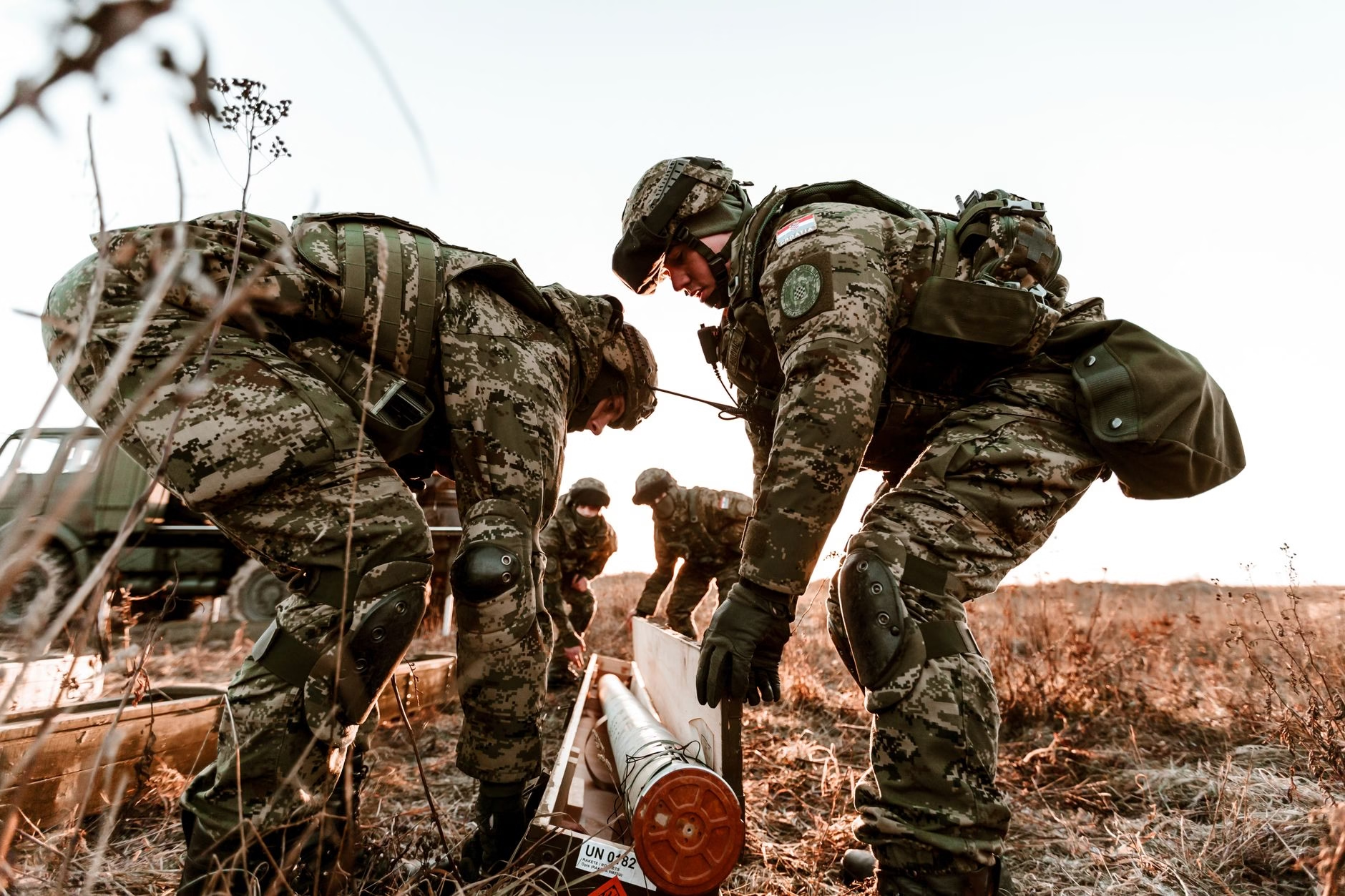
Germany is preparing to issue direct orders to military personnel for a permanent deployment to Lithuania. This decision comes after officials struggled to secure a sufficient number of volunteers for the strategic mission.
The deployment is part of a broader effort to strengthen regional defense capabilities along the eastern flank of the alliance. By establishing a permanent combat-ready brigade in the Baltic region, the government aims to demonstrate unwavering commitment to collective security.
However, the reliance on mandatory orders highlights ongoing recruitment and retention challenges within the armed forces.
Addressing Recruitment Shortfalls
Military leadership had initially hoped to fill the positions entirely through voluntary enlistment. Incentives and specialized allowances were introduced to attract interested personnel for the long-term foreign assignment.
Despite these measures, the response fell short of the required troop numbers. The shortfall forced defense officials to consider compulsory deployment mechanisms to meet international obligations.
Personnel selected for the mission will undergo specialized training before relocating to the Baltic state. The deployment timeline remains on schedule despite the initial recruitment hurdles.
Strategic Importance for Regional Defense
The stationing of German troops in Lithuania represents a historic milestone for defense policy. It is the first time the nation has established a permanent, independent combat unit outside its borders since the end of the Second World War.
Lithuania has welcomed the enhanced security presence, viewing it as a vital deterrent against potential regional threats. Infrastructure development is already underway to accommodate the incoming soldiers and their families.
Facilities including housing, schools, and maintenance depots are being constructed to ensure long-term sustainability for the stationed brigade.
Impact on Military Personnel and Families
Transitioning to a mandatory deployment model has raised questions regarding morale and personnel management. Military unions and representatives have stressed the importance of fair compensation and adequate support systems.
Families relocating to the region will receive comprehensive assistance, including language courses and employment support for spouses. The government has pledged to minimize the disruption to soldiers’ personal lives while fulfilling vital defense duties.
As the deployment date approaches, defense authorities continue to monitor readiness levels and address logistical challenges to ensure the success of the mission.




















Leave a Reply