


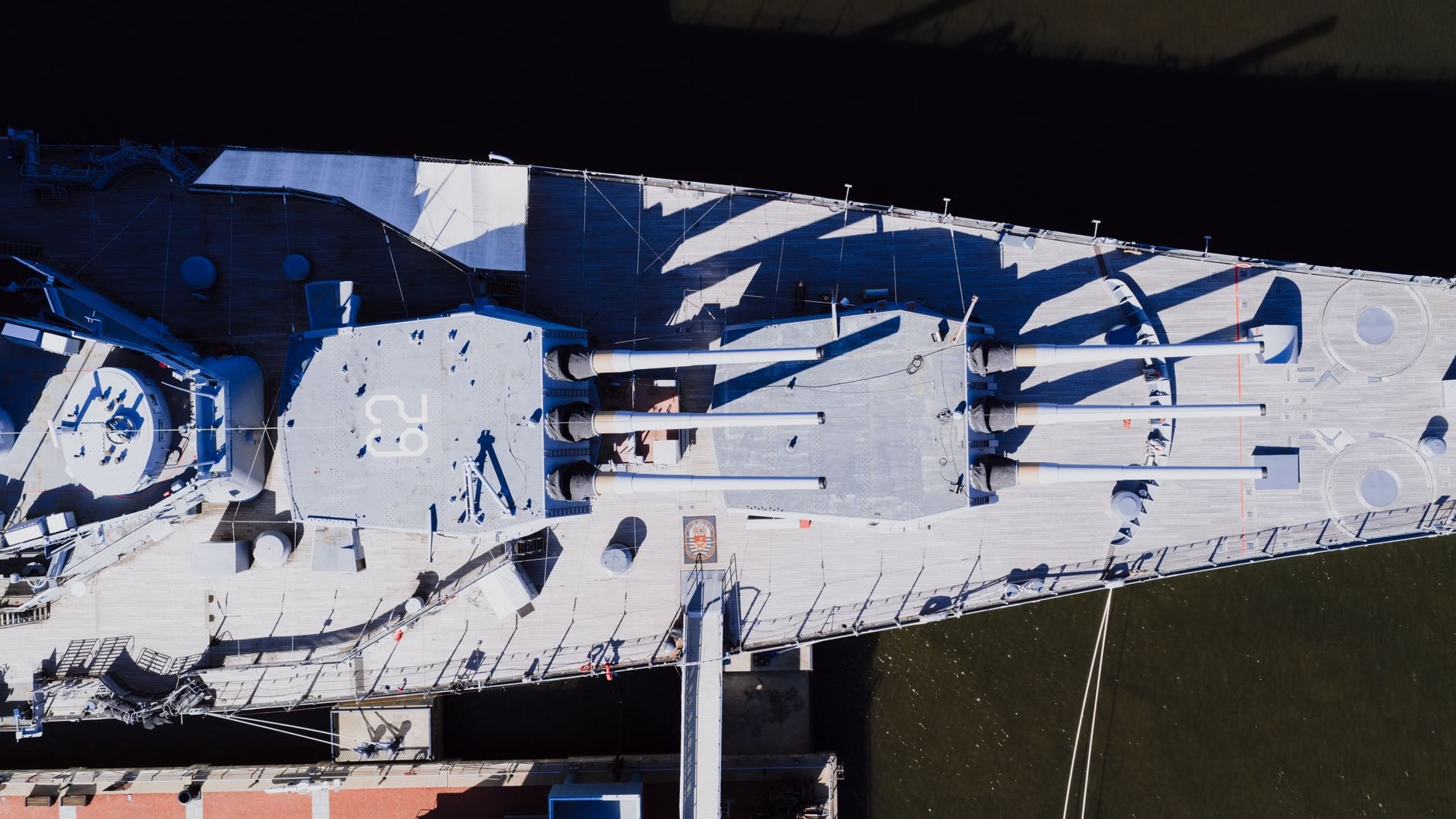
The Evolution of Naval Warfare
Military tactics at sea have entered an entirely unprecedented phase following a historic engagement in the Black Sea region. Defense analysts and military observers have confirmed that the first-ever combat encounter involving exclusively unmanned systems has taken place. This landmark event signals a radical shift away from traditional fleet maneuvers toward automated, remote-controlled combat.
For years, military strategists have anticipated the convergence of autonomous technology and active combat zones. The deployment of uncrewed surface vessels and airborne uncrewed aerial vehicles has steadily increased in various global conflicts. However, until this recent clash in the Black Sea, these robotic systems typically engaged manned targets, shore installations, or static defenses. The direct confrontation between two opposing autonomous platforms establishes a critical milestone in military history.
Anatomy of the Black Sea Engagement
Specific details regarding the exact date, participants, and precise geographical coordinates of the Black Sea skirmish remain closely guarded by defense officials. Nevertheless, intelligence assessments indicate that the encounter unfolded when an attacking uncrewed maritime surface vehicle faced sudden interception from an aerial drone operating in the contested maritime theater.
The confrontation highlights the rapid tactical adaptation occurring in modern war zones. As nations increasingly rely on robotic fleets to project power and protect coastlines, the need to defend these valuable assets from similar enemy technology becomes paramount. The engagement demonstrated that defense systems can no longer focus solely on traditional aircraft or missiles, but must now account for nimble, autonomous threats coming from both the air and the water.
Strategic Implications for Global Fleets
The implications of this autonomous sea battle extend far beyond the regional waters of the Black Sea. Navies around the world are currently reevaluating their long-term acquisition programs, training protocols, and combat doctrines to incorporate these lessons. The success of drone-on-drone interception suggests that future naval dominance will heavily depend on sophisticated sensor networks, artificial intelligence, and rapid response capabilities.
Traditional warships are exceptionally expensive to build, maintain, and staff. In contrast, uncrewed systems offer a cost-effective alternative that minimizes human casualties while maximizing operational reach. Yet, as both offense and defense increasingly rely on these machines, the battlefield becomes a technological arms race. Whoever develops the most advanced targeting algorithms and counter-drone measures will hold a decisive advantage in future conflicts.
Looking Ahead to Autonomous Combat
As military technology continues to accelerate, the line between science fiction and battlefield reality grows increasingly thin. The historic clash in the Black Sea serves as an undeniable wake-up call for defense ministries worldwide. Unmanned systems are no longer merely supportive reconnaissance tools; they are frontline combatants capable of engaging one another in complex tactical environments.
Future defense research will undoubtedly prioritize autonomous counter-measures, secure communication links, and anti-jamming technologies to ensure fleet survival. The era of drone-versus-drone warfare has officially arrived, permanently altering the strategic calculus of maritime nations across the globe.





















Leave a Reply