


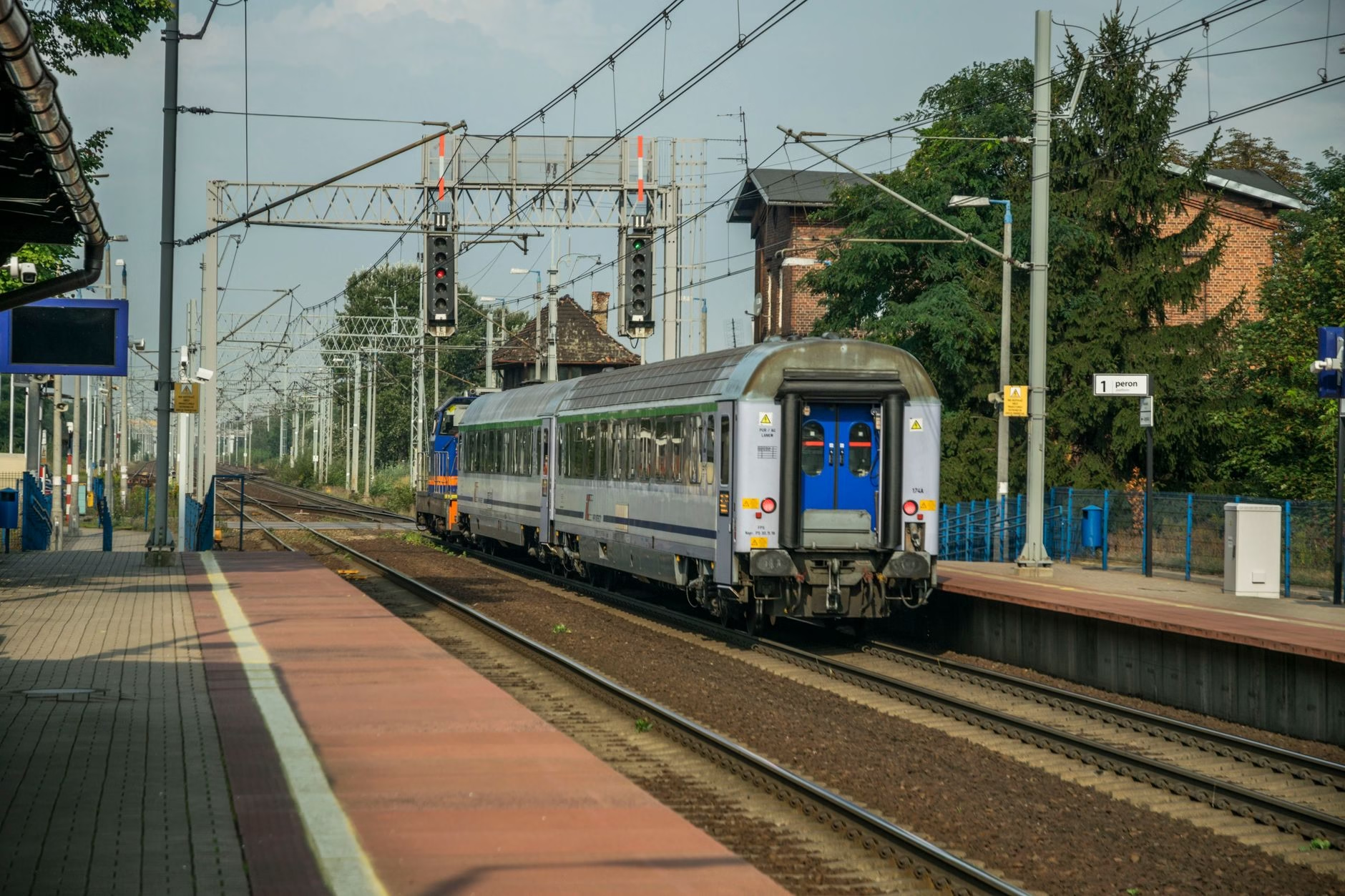
Wildlife encounters in unexpected places often lead to curious situations, but few are as disruptive to modern infrastructure as large animals wandering onto active railway corridors. A recent incident in Poland highlighted the delicate balance between local fauna and transportation networks when a large moose decided to explore active train tracks. The unexpected visitor managed to halt normal travel routines, leaving commuters waiting while authorities worked diligently to resolve the situation.
Wildlife and Rail Infrastructure
The presence of large mammals near high-speed transportation corridors is a known challenge for transit operators globally. In regions surrounded by dense forests and natural habitats, animals frequently cross paths with human infrastructure. When a creature as large as a moose steps onto the ballast and rails, the potential safety hazards require immediate intervention. Engineers and conductors must reduce speed or halt operations completely to prevent accidental collisions, which can pose severe risks to both the animals and the passengers onboard.
Impact on Daily Commuters
The interruption caused by the wandering animal rippled across the regional rail schedule, leading to compounding delays for numerous services. Travelers relying on punctuality found themselves stranded at stations or waiting inside stationary carriages as officials monitored the movement of the massive herbivore. Rail operators issued updates to affected passengers, advising them of the unusual circumstance and urging patience while security personnel and wildlife handlers guided the animal away from the danger zone.
Resolving the Situation Safely
Managing a large wild animal near active tracks requires specialized knowledge and calm execution. Railway staff coordinated closely with local animal control experts to ensure the moose could exit the railway corridor safely without panicking. Because these animals are exceptionally powerful and unpredictable when stressed, forcing them away demands a cautious approach. Responders worked to clear a path toward a nearby wooded area, allowing the creature to return to its natural habitat unharmed.
Preventative Measures for the Future
Incidents of this nature prompt transportation authorities to review existing safety fences and warning systems along vulnerable stretches of the track. While it is impossible to completely eliminate the possibility of wildlife crossing human-made barriers, enhanced fencing and monitoring technology can significantly reduce the frequency of such disruptions. Ensuring the safety of both travelers and local wildlife remains a top priority for national transit networks as they balance efficiency with environmental coexistence.
Conclusion
The unexpected appearance of a moose on the Polish rail lines serves as a reminder of the intersection between nature and modern infrastructure. Although the event caused temporary frustration for commuters, the successful and humane resolution underscores the importance of preparedness when dealing with wildlife. As transportation networks continue to expand through natural habitats, ongoing vigilance and smart mitigation strategies will be essential in preventing similar delays in the future.

















Leave a Reply