


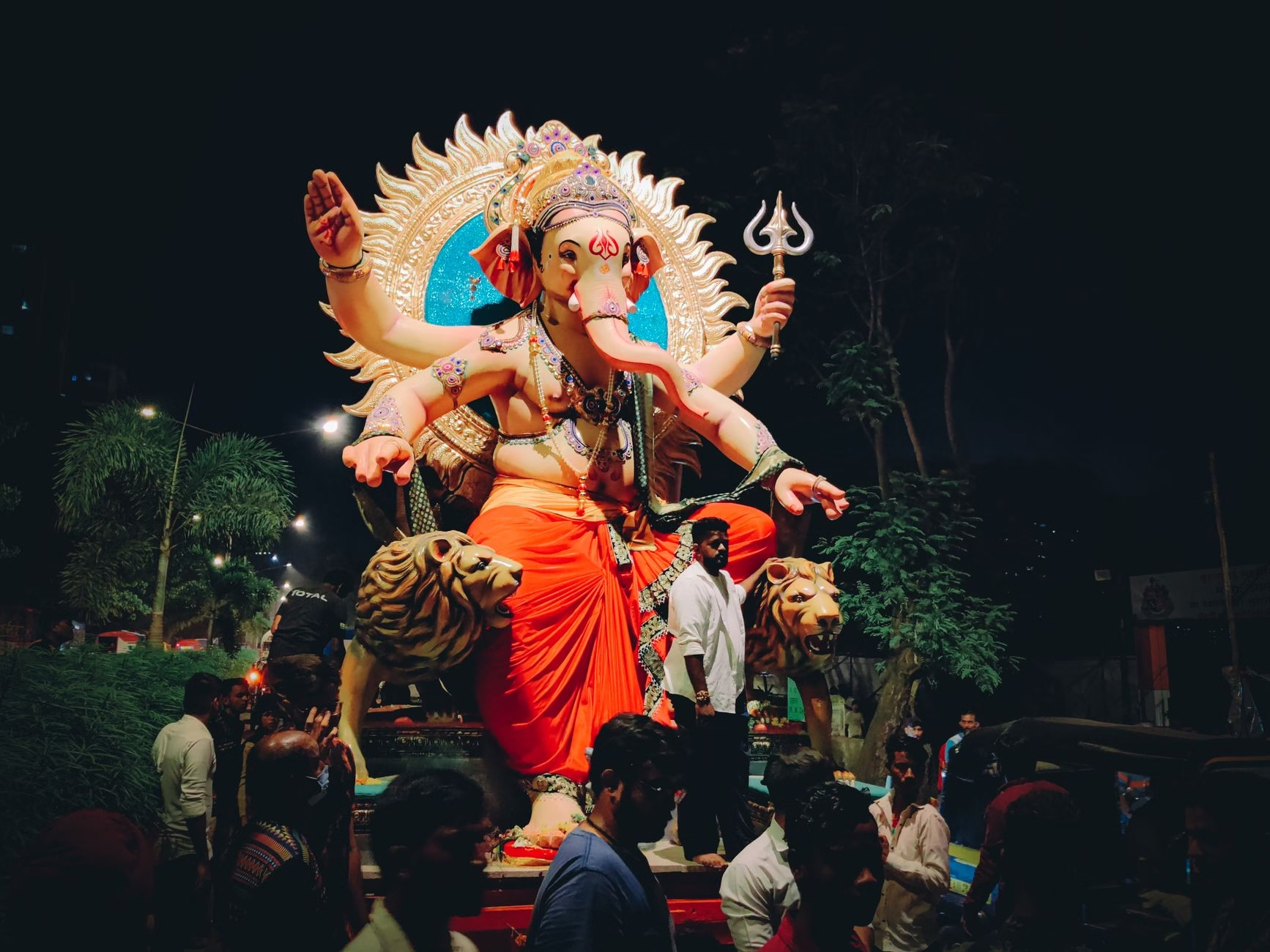
The vibrant festival of Ganesh Chaturthi has officially commenced, drawing massive crowds of devotees to the bustling streets of Mumbai and Hyderabad. Celebrated with immense enthusiasm and spiritual fervor, the annual event marks the birth of Lord Ganesha, the revered elephant-headed deity of wisdom, prosperity, and new beginnings. Across these metropolitan hubs, citizens have welcomed elaborately crafted idols into their homes and public community pandals, setting the stage for days of intense prayer, music, and cultural festivities.
Preparations for the grand occasion began months in advance, involving skilled artisans who meticulously shaped clay idols of various sizes. As the auspicious day arrived, thousands of believers took to the streets in lively processions accompanied by the rhythmic beating of drums, cymbals, and devotional chants. The atmosphere in both cities is charged with excitement as families gather to perform the traditional Pranapratishtha ritual, breathing life into the divine statues before offering sweet delicacies like modaks.
Origins and Cultural Significance
The roots of public Ganesh Chaturthi celebrations trace back centuries, gaining massive social momentum during the freedom struggle when leaders utilized the festival to unite communities against colonial rule. Today, the tradition continues to serve as a powerful unifying force, bringing people of diverse backgrounds together in a shared expression of faith and joy. Elaborate community marquees, known as pandals, have sprung up in nearly every neighborhood, each vying to showcase the most creative and towering depictions of the beloved deity.
In Mumbai, iconic locations such as Lalbaug have transformed into epicenters of devotion, attracting millions of pilgrims who wait patiently for hours just to catch a glimpse of the famous city idols. Similarly, Hyderabad has witnessed a surge in footfall around major religious landmarks, with gigantic structures drawing awe from locals and tourists alike. The scale of the arrangements reflects the deep-rooted cultural importance of the festival, which transcends regional and linguistic boundaries to foster communal harmony.
Festive Rituals and Community Engagement
Throughout the duration of the multi-day festival, daily prayers and devotional singing dominate the community spaces. Volunteers work tirelessly to manage the massive influx of visitors, ensuring smooth traffic flow and maintaining order amidst the celebratory chaos. Local authorities have deployed additional personnel and implemented comprehensive safety measures to accommodate the heavy crowds participating in the open-air rituals and evening worship sessions.
Beyond the spiritual observances, the festival acts as a major economic catalyst for local vendors, small businesses, and traditional craftsmen. Stalls selling floral garlands, decorative items, and festive sweets experience a significant boost in sales. This economic uptick provides vital financial support to numerous artisans whose livelihoods depend heavily on the seasonal demand for handmade religious goods and decorative paraphernalia.
Looking Ahead to the Grand Finale
As the days of celebration progress, the focus will gradually shift toward the eventual culmination of the festival, known as Anant Chaturdashi. On this final day, grand processions will wind their way through the streets leading to local water bodies, where the idols will be ceremoniously immersed. This ritual symbolizes the return of Lord Ganesha to his divine abode on Mount Kailash, leaving behind blessings of peace and prosperity for his followers until his triumphant return the following year.




















Leave a Reply