


Current Defense Posture in the Region
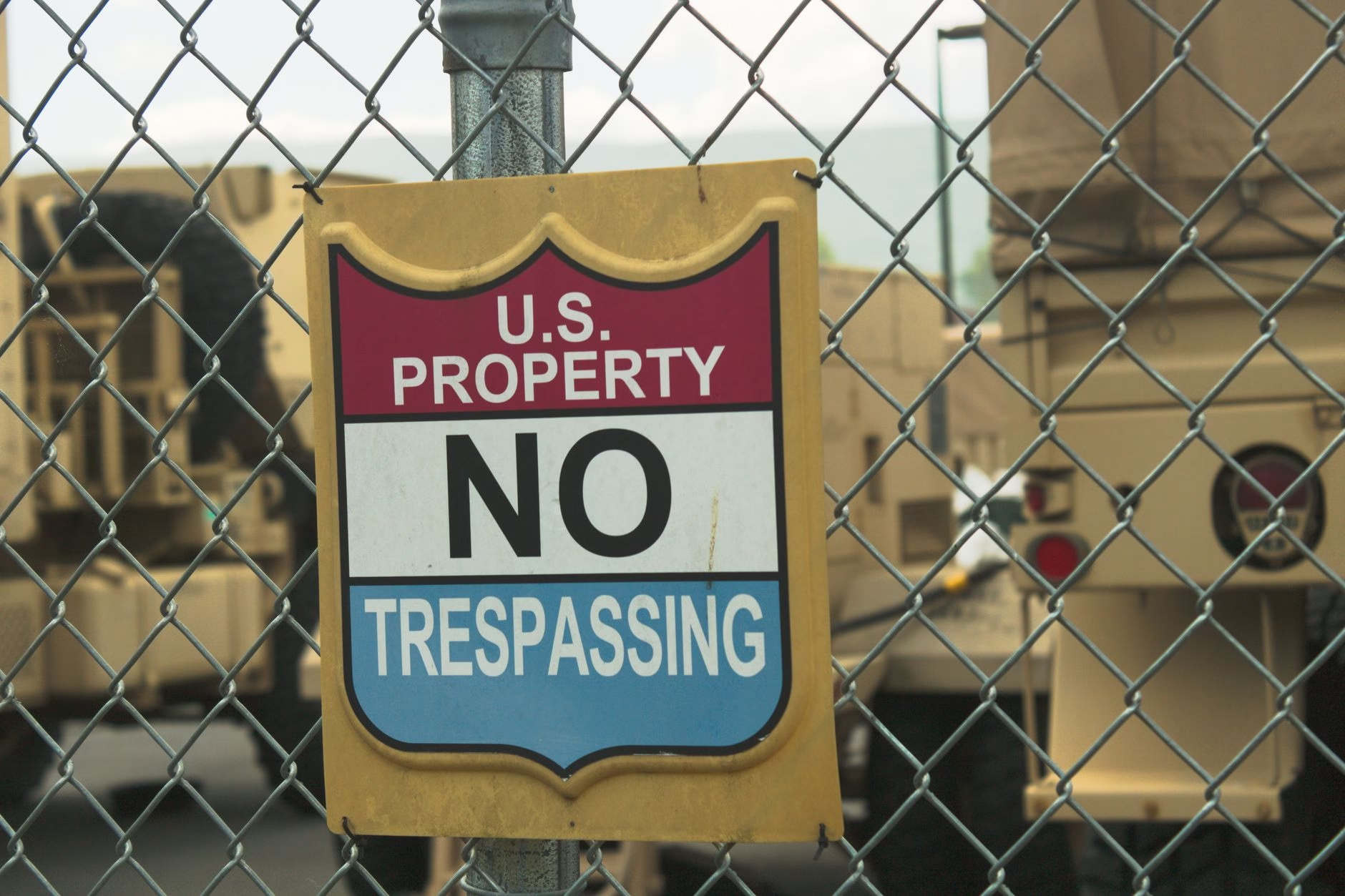
American armed forces stationed throughout the Middle East are maintaining an elevated state of readiness. Defense planners have intensified operational protocols as regional tensions continue to impact geopolitical stability. Across various deployment zones, defense personnel remain prepped to respond swiftly to any emerging security developments.
Strategic Importance of Regional Energy Supplies
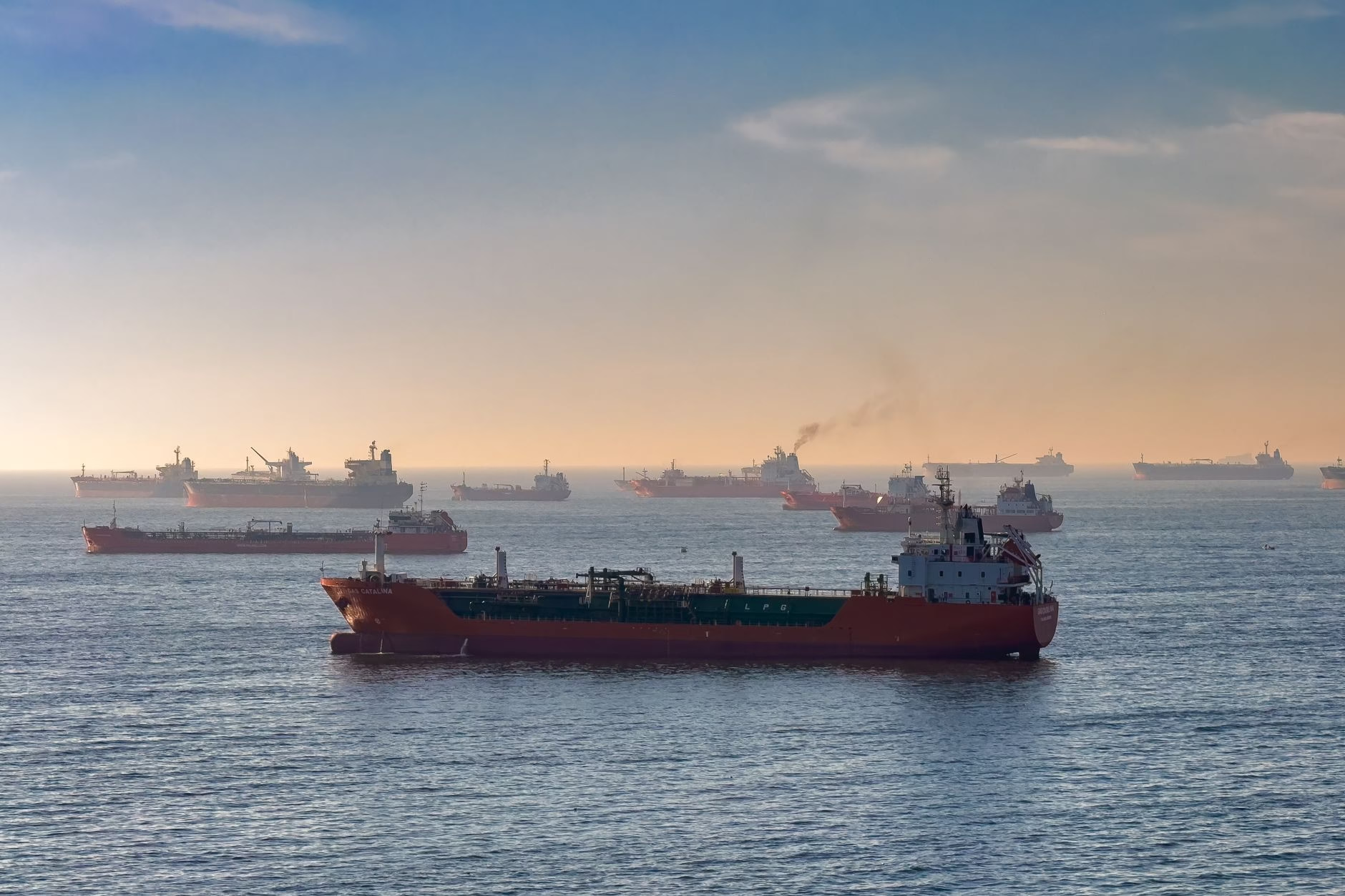
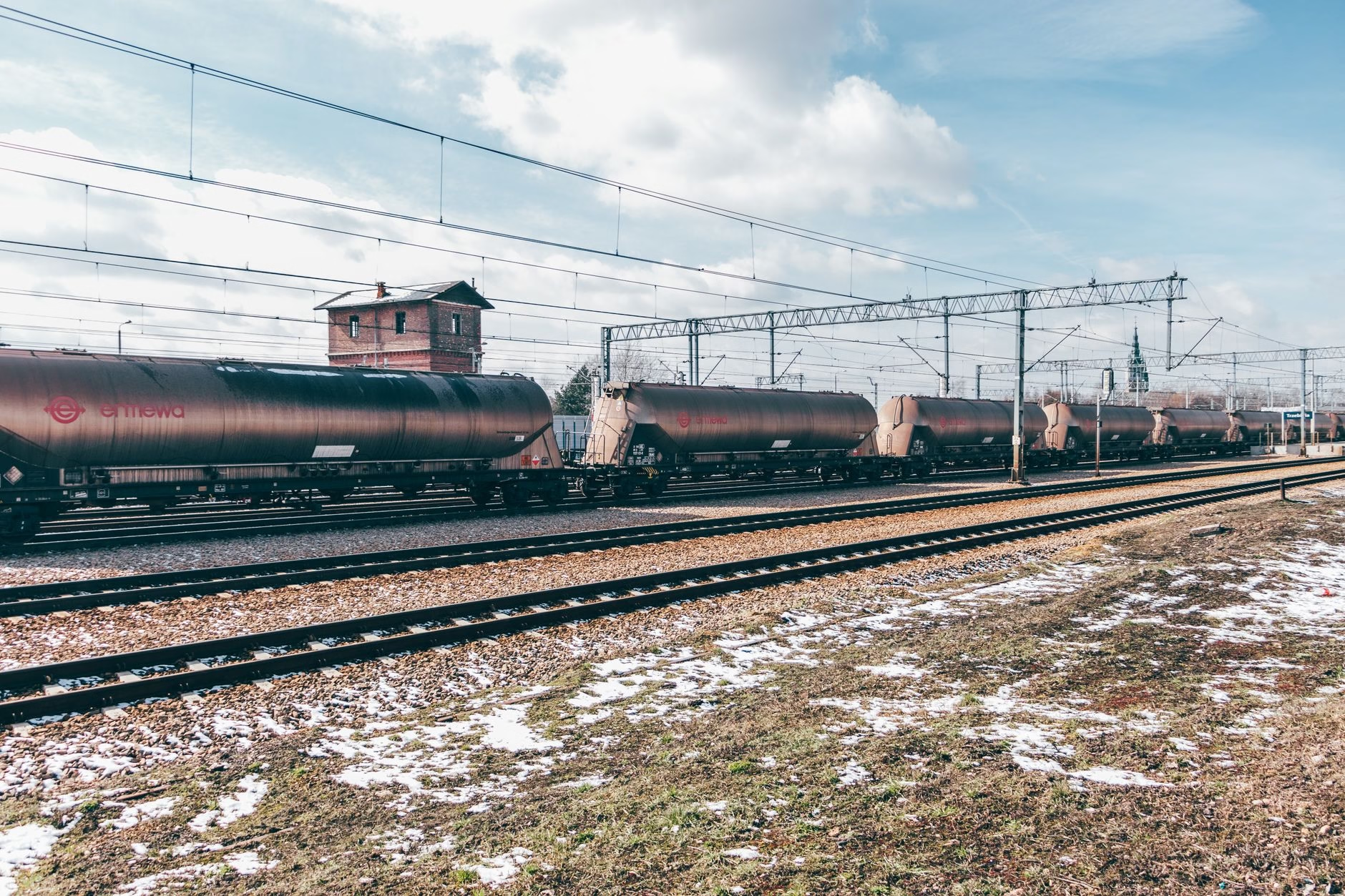
The ongoing security situation places a significant emphasis on the protection of vital energy infrastructure. Global markets rely heavily on the continuous flow of resources originating from this critical geographic corridor. Disruptions to these supply lines can trigger immediate ripple effects across international economies, making asset protection a top priority for defense leadership.
Operational Readiness and Preparedness
Deployment sites, including carrier strike groups operating in regional waters, enforce rigorous defense measures around the clock. Service members undergo continuous readiness drills to ensure rapid response capabilities. This high level of preparedness is designed to deter potential hostile actions and maintain stability across crucial maritime and terrestrial transit routes.
Allied Coordination and Regional Stability
Maintaining regional security requires close cooperation with international partners and allied nations. Strategic communication channels remain active to coordinate defensive responses and share critical intelligence regarding potential threats. Through unified deterrence efforts, defense forces aim to safeguard critical supply chains and preserve regional order.

















Leave a Reply