



The shifting geopolitical landscape in Northeast Asia has introduced new diplomatic complexities for Beijing as Moscow and Pyongyang forge closer bilateral ties. While traditional alliances in the region have long maintained a certain predictability, recent developments between Russia and North Korea are causing quiet apprehension among Chinese leadership.
Strategic Shifts in Northeast Asia
For decades, Beijing held a central role as the primary economic and diplomatic benefactor for North Korea. This unique position allowed regional stability to be managed largely through channels that intersected with Chinese interests. However, the rapid acceleration of military and diplomatic cooperation between the Russian Federation and North Korea has begun to alter this dynamic significantly.
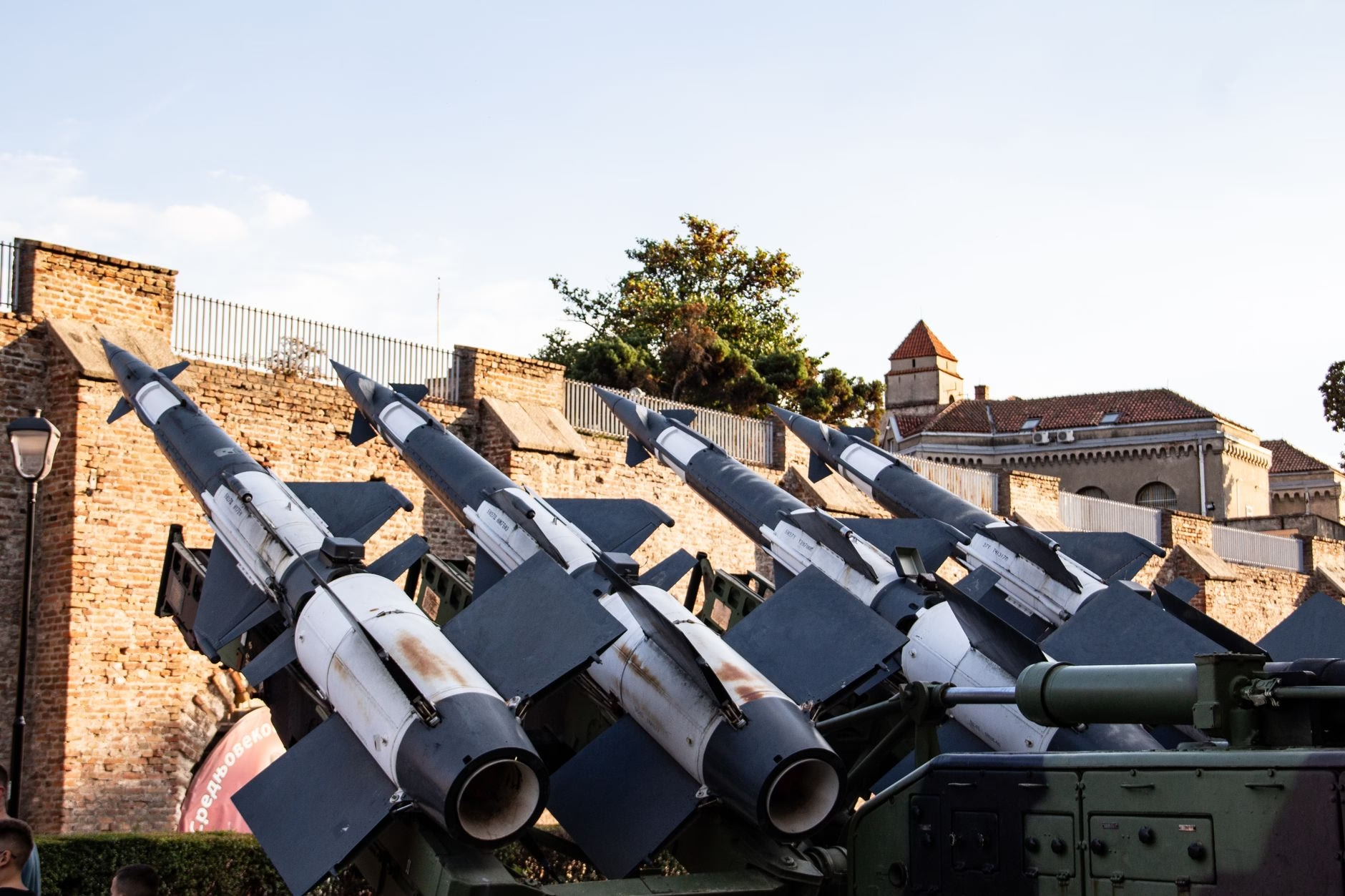
Observers note that direct bilateral agreements bypassing traditional regional intermediaries can reduce Beijing diplomatic leverage. As both Moscow and Pyongyang face varying degrees of international isolation, their mutual alignment has intensified. This partnership includes enhanced technological exchanges and security cooperation, which alters the balance of power in the immediate neighborhood.
Implications for Regional Stability
Increased collaboration between these two nations carries substantial implications for the Korean Peninsula and surrounding waters. Enhanced military coordination can complicate ongoing diplomatic efforts aimed at denuclearization and long-term regional peace. For Beijing, maintaining stability along its northeastern border is an essential national security priority.
An unpredictable security environment increases the risk of heightened military readiness by rival states, including the United States, South Korea, and Japan. These allied nations have responded to the growing Moscow-Pyongyang axis by strengthening their own trilateral security frameworks, further complicating the strategic calculus for Chinese policymakers.
Economic and Diplomatic Dilemmas
Economically, Beijing remains a vital partner for North Korea, providing essential energy supplies, food, and consumer goods. Yet, the introduction of robust Russian economic and political engagement creates competing spheres of influence within Pyongyang. This duality limits the degree of influence that Beijing can exert over North Korean policy decisions.
Furthermore, broader international scrutiny regarding the nature of the partnership between Russia and North Korea places secondary pressure on Beijing. Western governments continuously monitor how external actors might facilitate sanction evasions or provide material support that strengthens military capabilities.
Navigating Future Challenges
Looking ahead, diplomatic analysts suggest that Beijing will need to carefully calibrate its foreign policy approach to safeguard its core interests. Maintaining a delicate balance between supporting traditional partnerships and preventing regional escalation remains a paramount objective.
Ultimately, the strengthening alliance between Moscow and Pyongyang serves as a reminder of how fluid international alignments can become during periods of global tension. As these relationships continue to evolve, the strategic ripples will undoubtedly require vigilant management by all major stakeholders in the region.




















Leave a Reply