


Understanding Current Tropical Weather Patterns
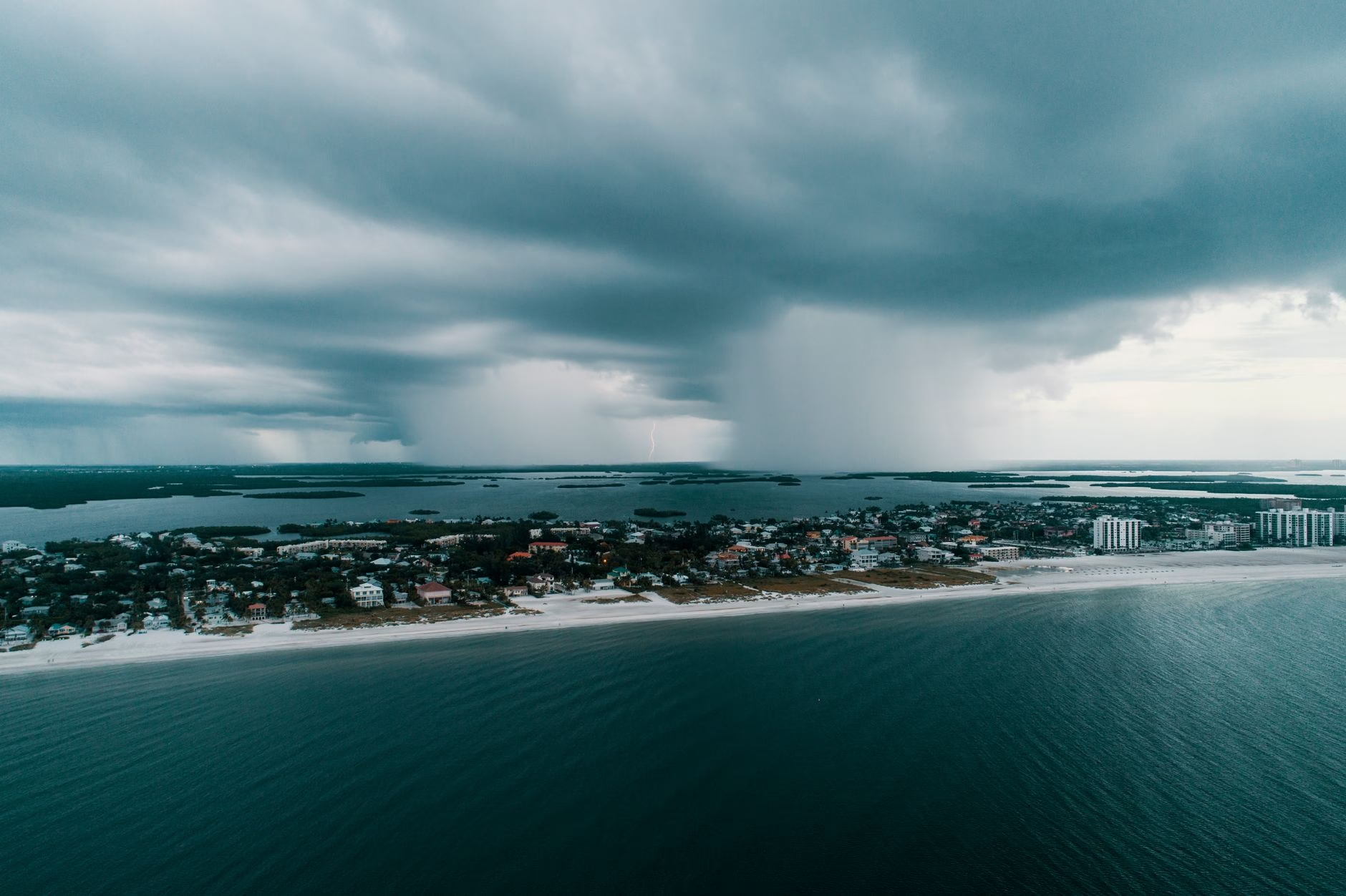
The current Atlantic hurricane season has surprised weather experts with its extraordinary lack of activity. While people typically brace for frequent tropical storms and severe weather during this time of the year, meteorological data reveals a surprisingly quiet ocean. No Atlantic hurricanes have formed so far, and forecasting models indicate that no new tropical systems are likely to develop in the immediate future.
The Influence of El Nino on Storm Formation
A primary driver behind this exceptionally calm period is the presence of El Nino. This climate phenomenon significantly alters atmospheric conditions across the globe. In the Atlantic basin, El Nino typically generates strong vertical wind shear. This atmospheric shear disrupts the organization and strengthening of tropical disturbances, effectively preventing them from maturing into full-scale hurricanes.
Shifts in Ocean Temperatures and Atmospheric Pressure
Beyond wind shear, regional shifts in atmospheric pressure and ocean temperatures also play critical roles in suppressing storm development. Tropical cyclones require specific thermal energy and moisture levels to sustain themselves. When surrounding atmospheric layers remain unusually stable or dry, the convective energy necessary for hurricane genesis simply cannot build up.
Implications for Coastal Communities and Preparedness
While a slow hurricane season brings undeniable relief to coastal residents and emergency management officials, experts urge the public to remain vigilant. Historical weather patterns demonstrate that climate conditions can shift rapidly. Maintaining readiness is essential, as meteorological shifts later in the year can still introduce unexpected weather risks.
Looking Ahead at Meteorological Trends
Researchers and meteorologists continue to monitor satellite data and oceanic indicators to understand the full scope of this quiet season. By studying how global climate cycles interact with regional weather systems, science can better anticipate future storm behaviors. For now, the unusual calm serves as a fascinating case study in how global weather drivers dictate local conditions.



















Leave a Reply