


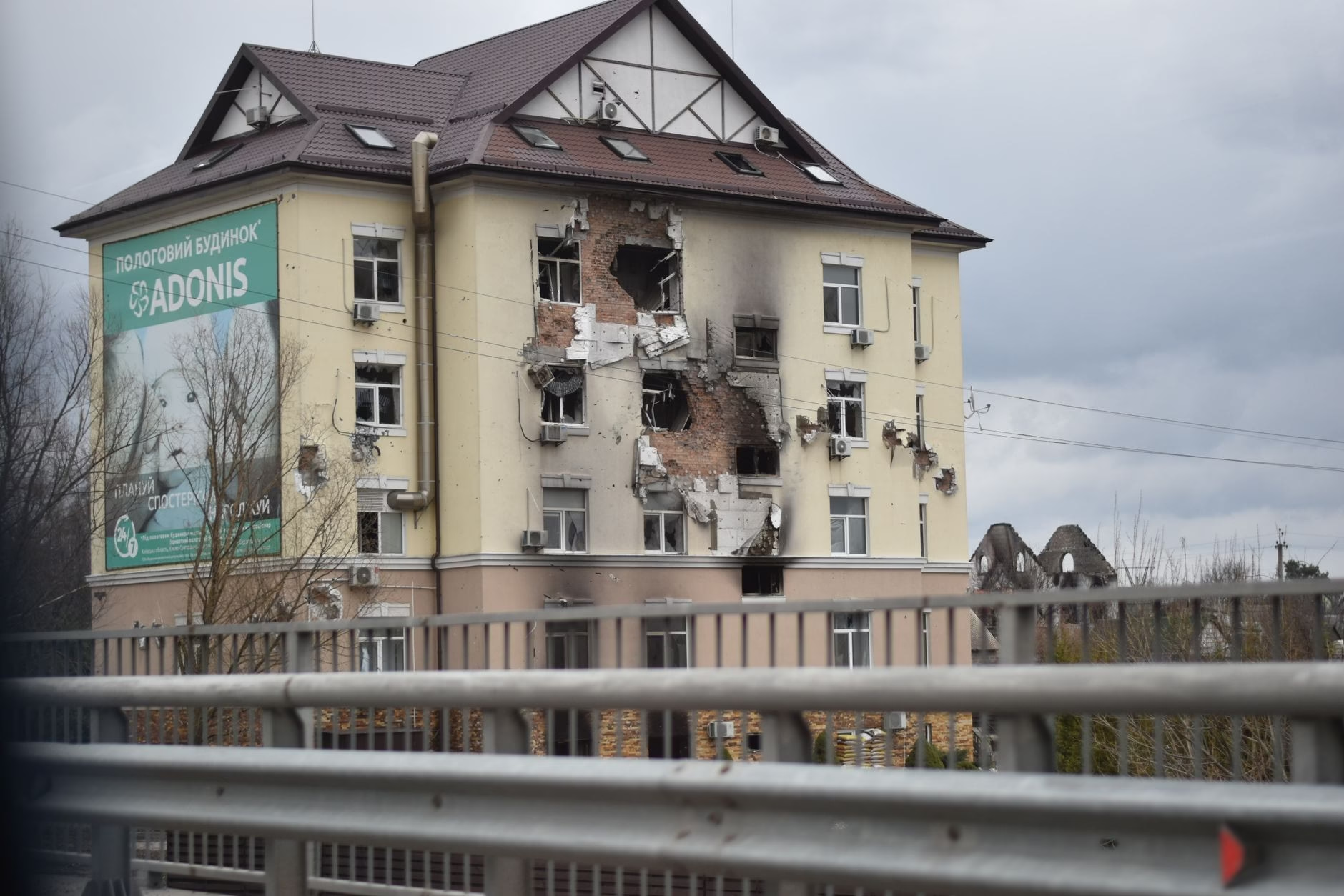
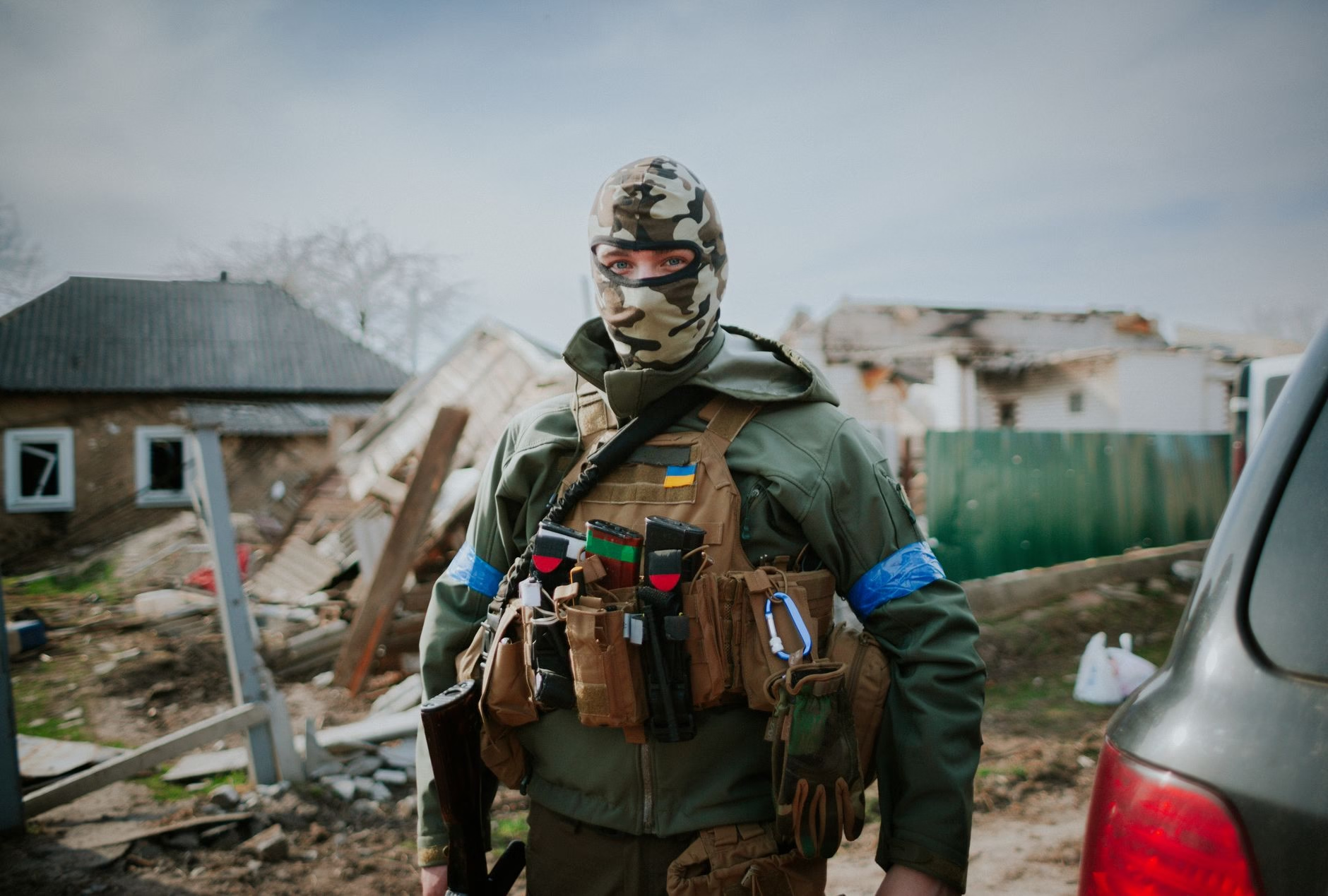
The ongoing armed conflict between Russia and Ukraine continues to claim lives and inflict widespread damage, with recent military engagements resulting in at least eleven fatalities across Ukrainian territory. Emergency services and local authorities have reported extensive structural damage following a wave of coordinated assaults that targeted civilian areas and vital utility networks.
Deadly Strikes Across Multiple Regions
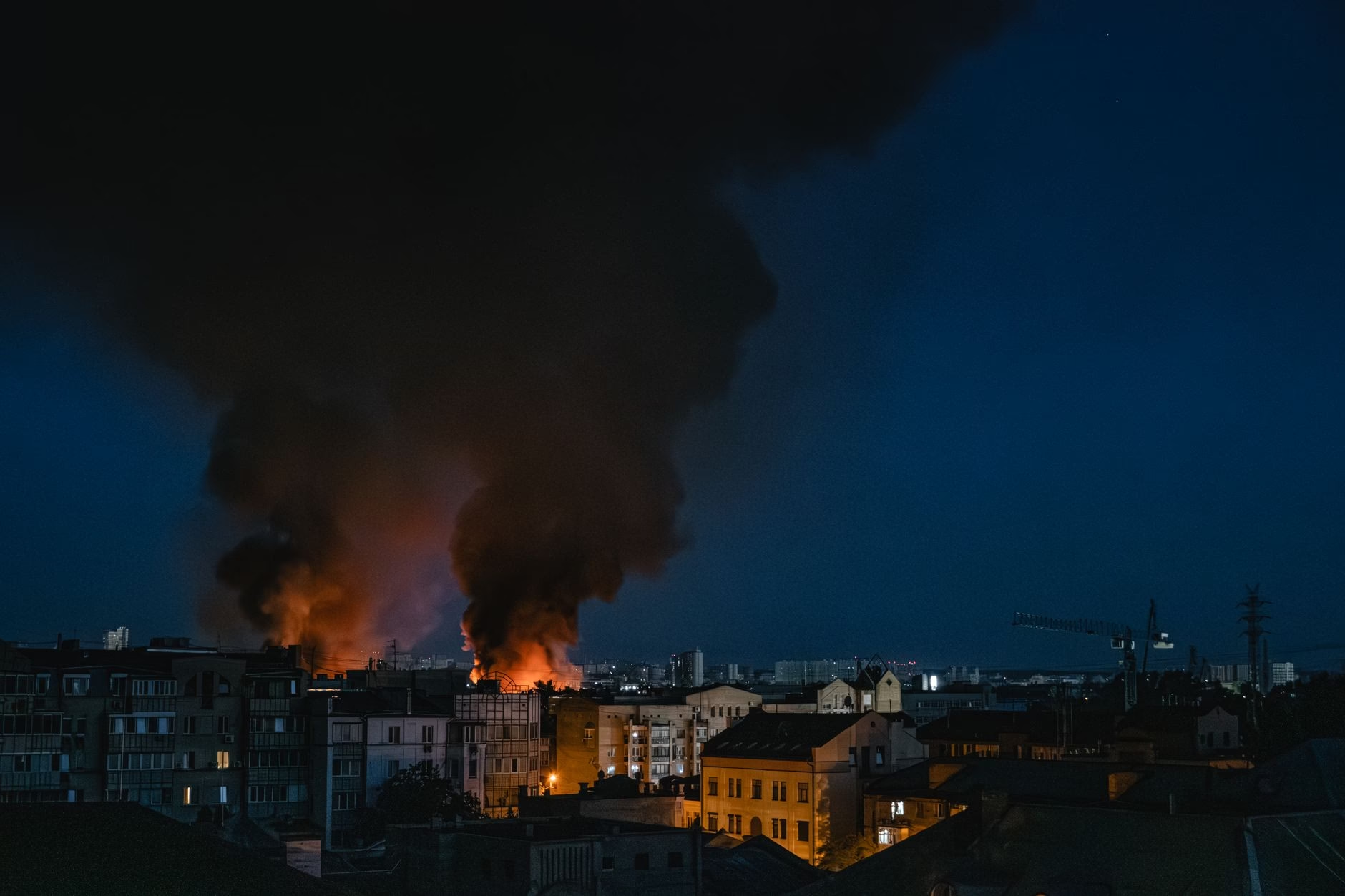
During the latest escalation, numerous missiles and explosive drones impacted multiple Ukrainian regions, overwhelming air defense systems in several urban centers. Residential buildings, commercial properties, and power generation facilities bore the brunt of the offensive. First responders worked tirelessly through the night to extinguish fires, clear debris, and search for survivors trapped beneath collapsed structures.
Local officials expressed deep concern over the rising casualty figures and the deliberate targeting of populated zones. Hospitals and medical personnel faced severe strain as injured citizens were rushed in for emergency treatment. International monitors have repeatedly condemned these actions, emphasizing that attacks on non-military targets violate established international humanitarian laws.
Strategic Countermeasures by Kyiv
In response to the relentless aerial bombardment, Ukrainian military forces executed strategic counter-operations aimed at degrading enemy logistical capabilities and economic lifelines. Recent intelligence and defense updates indicate that Kyiv successfully targeted segments of the maritime transport network often utilized to bypass international trade restrictions.
By focusing on these vital supply lines and transport vessels, defense planners aim to disrupt the financial resources sustaining the protracted military campaign. Analysts suggest that diminishing the operational capacity of these secondary trade networks is crucial for altering the strategic balance on the ground.
Humanitarian Impact and Regional Strain
The dual nature of the ongoing hostilities—marked by devastating urban strikes and strategic maritime operations—continues to displace thousands of families. Communities near the front lines endure daily sirens and power outages, compounding the psychological toll of the prolonged crisis.
Humanitarian organizations are scaling up relief efforts to provide shelter, clean water, and medical supplies to affected populations. However, delivering aid to high-risk zones remains exceedingly difficult due to continuous security threats and damaged infrastructure.
International Community Calls for De-escalation
Global leaders have reiterated their calls for an immediate cessation of hostilities and a return to diplomatic negotiations. Diplomatic channels remain active, though finding common ground between the warring parties proves challenging as military actions persist on multiple fronts.
As the situation evolves, the global community watches closely, balancing humanitarian assistance with ongoing discussions regarding defense support and regional security guarantees. The immediate priority for local authorities remains rescuing survivors, restoring essential utilities, and preparing for the challenges of the upcoming months.


















Leave a Reply