



Geopolitical tensions in the Middle East have escalated significantly following recent territorial shifts in Yemen. Iran-backed Houthi insurgents have successfully established control over a highly strategic strip of coastline along the Red Sea. This development introduces a new layer of complexity to maritime logistics, threatening international commerce and oil transport through one of the busiest waterways in the world.
Strategic Importance of the Red Sea
The Red Sea serves as a critical maritime corridor linking the Mediterranean Sea to the Indian Ocean via the Suez Canal. A vast proportion of global trade, including manufactured goods, commodities, and energy supplies, passes through this narrow maritime channel daily. When control over adjacent landmasses shifts to militant groups, the security of commercial vessels navigating these waters becomes severely compromised. Shipping companies now face heightened risks, potential route diversions, and rising operational costs as they reassess safety protocols.
Escalating Energy Infrastructure Risks
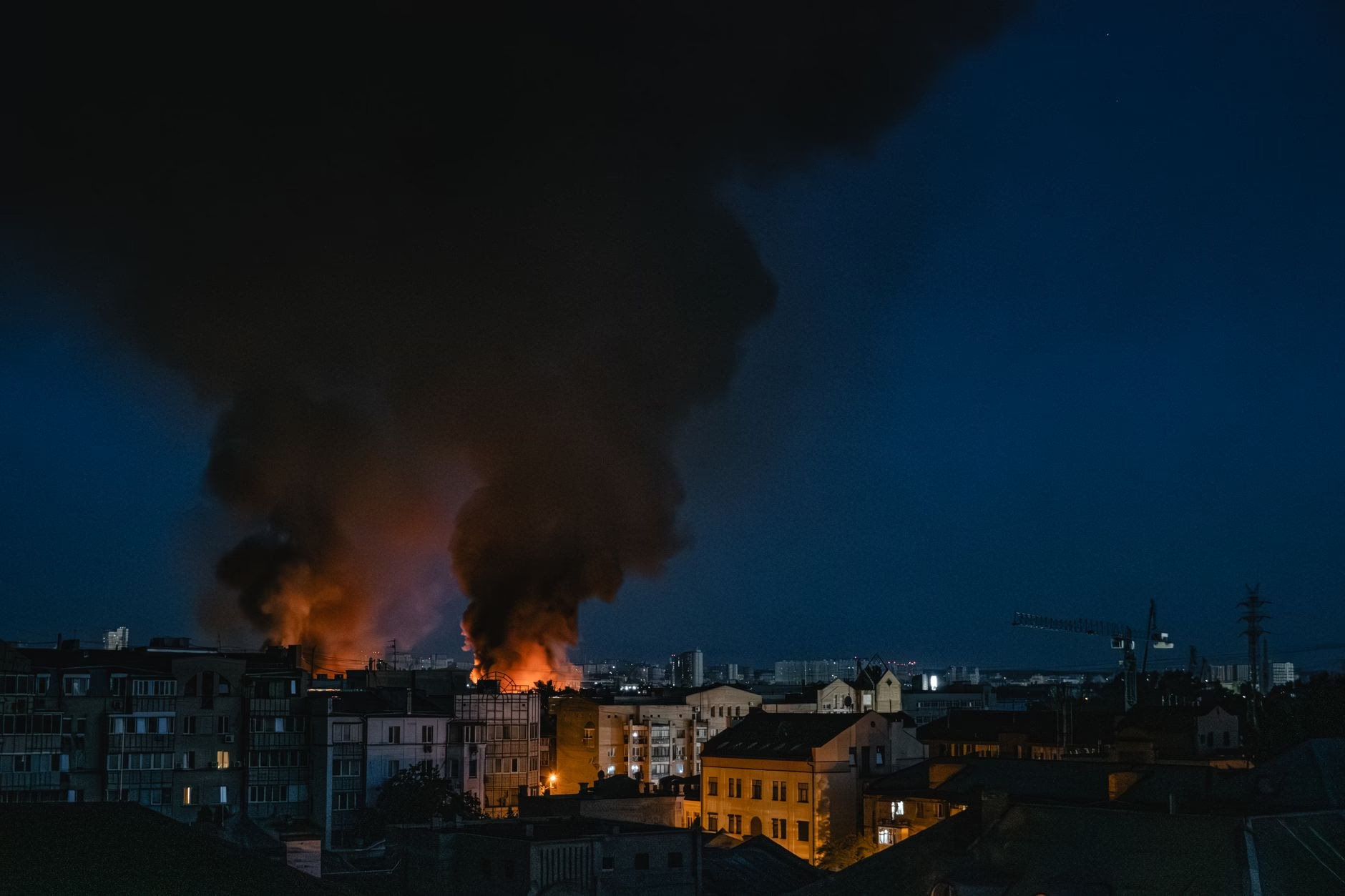
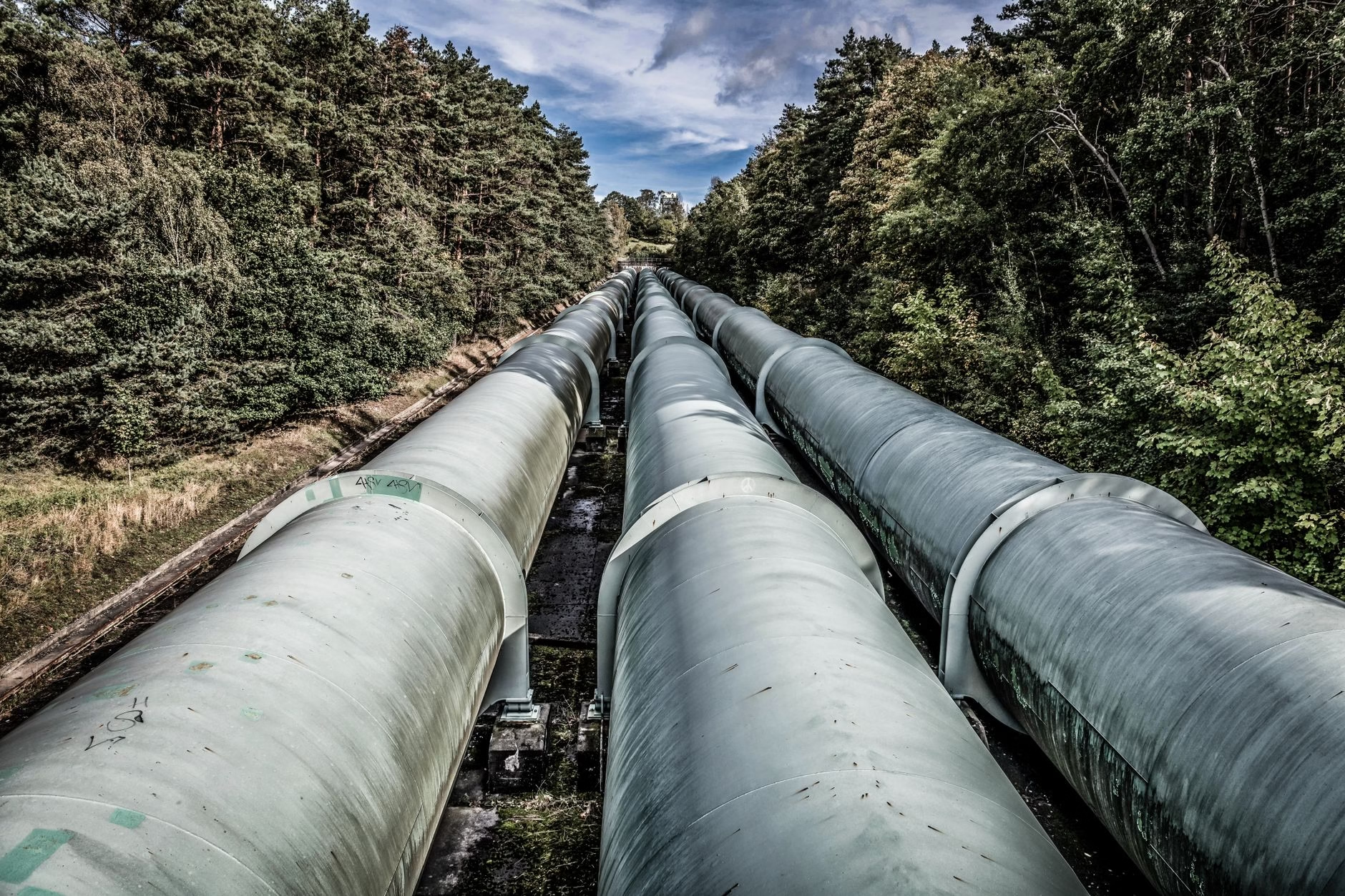
Compounding the maritime crisis, security incidents have directly impacted vital energy infrastructure in the region. Recent kinetic strikes conducted inside the territory of Saudi Arabia forced the emergency shutdown of a major oil pipeline. The national energy ministry officially confirmed the closure, highlighting the vulnerability of regional oil production and distribution networks. Energy markets often react swiftly to such disruptions, leading to potential volatility in global fuel prices and supply chain stability.
Implications for Regional Stability
The dual pressures of compromised maritime lanes and targeted energy infrastructure underscore the deepening instability across the Arabian Peninsula. The involvement of external state actors, particularly through proxy groups like the Houthi movement, continues to complicate diplomatic efforts aimed at conflict resolution. Regional governments and international coalitions are under mounting pressure to secure vital trade routes and protect critical economic assets from further disruption.
Looking Ahead
As the situation unfolds, policymakers, defense analysts, and commercial entities are closely monitoring developments along the Yemeni coast. The ability to restore maritime security and protect energy pipelines will be paramount in preventing broader economic fallout. Without immediate diplomatic breakthroughs or enhanced security measures, the risks to global trade and energy security are expected to remain elevated for the foreseeable future.



















Leave a Reply