


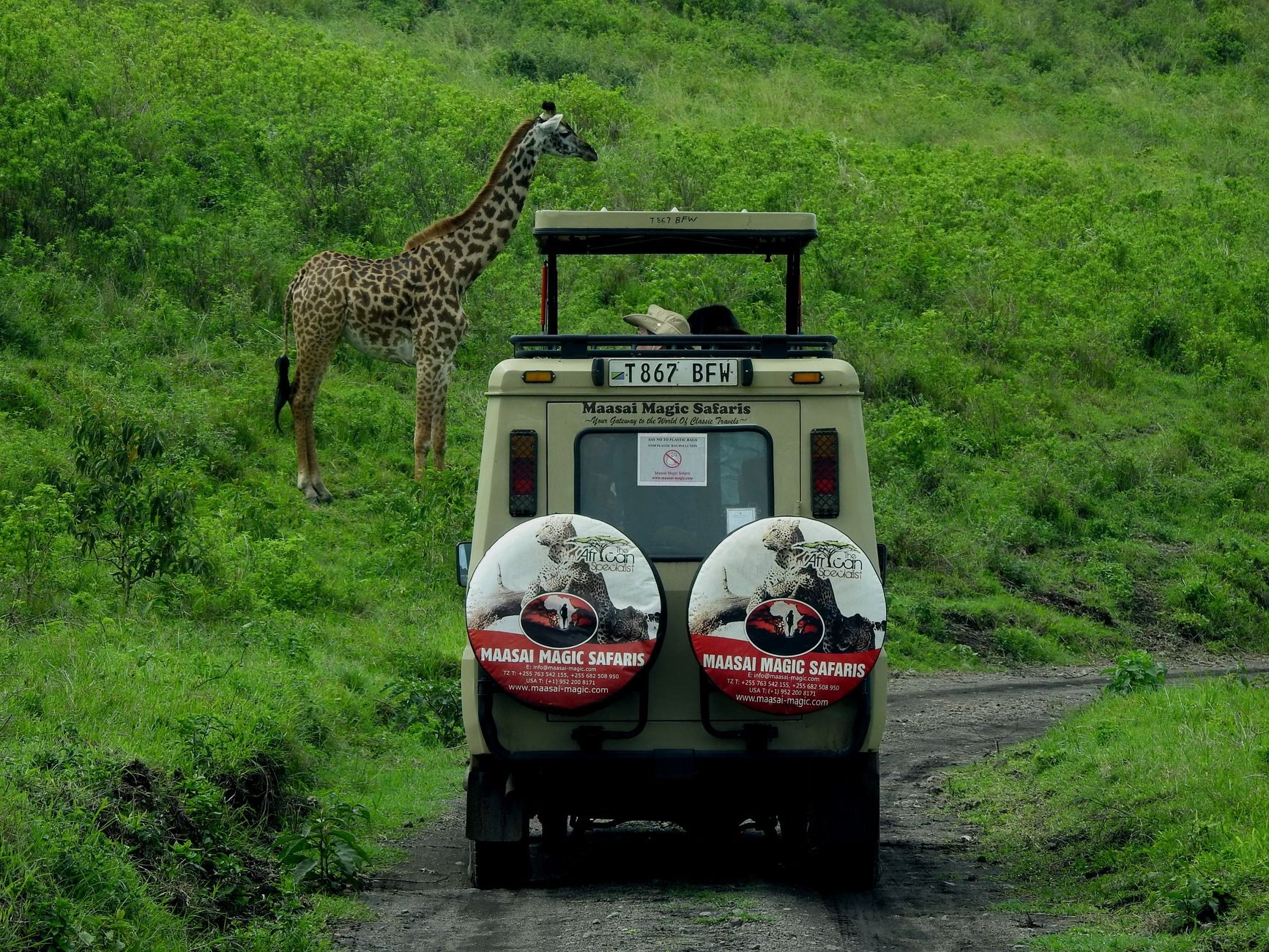
Introduction to Alternative Safari Destinations
When travelers think about embarking on an African safari, iconic locations often come to mind immediately. Famous national parks and vast reserves attract millions of visitors every single year. However, these popular hotspots frequently suffer from heavy tourist congestion, crowded viewing spots, and high prices. For travelers seeking a more authentic, tranquil, and immersive wildlife experience, looking beyond the mainstream is essential. Exploring alternative regions offers a chance to connect with nature deeply while supporting conservation efforts in developing areas.
The Benefits of Choosing Less Crowded Parks
Opting for off-the-beaten-path wildlife reserves transforms the entire vacation experience. Instead of sharing a single lion sighting with a dozen other safari vehicles, visitors often enjoy quiet solitude. This peaceful environment reduces stress for the local wildlife, allowing animals to exhibit natural behaviors without feeling cornered or harassed by large crowds. Furthermore, lesser-known destinations frequently provide more personalized service. Boutique lodges and smaller tented camps usually deliver exceptional hospitality, tailored game drives, and knowledgeable guides who can spend quality time answering questions.
Underrated Regions Worth Considering
Several countries across the African continent host remarkable ecosystems that receive a fraction of the visitors found in neighboring major parks. These locations boast diverse landscapes ranging from lush river deltas to dry, dramatic desert terrain. Visitors can encounter the famous big five animals, rare endemic species, and incredible birdlife without the distraction of bustling tourism infrastructure. Traveling to these hidden gems also spreads economic benefits to local communities that depend heavily on responsible tourism for their livelihoods, creating a sustainable model for wildlife preservation.
Tips for Planning Your Off-Grid Wildlife Journey
Organizing a trip to a remote reserve requires careful preparation and research. Logistics can be slightly more challenging than booking a standard package tour to a major park. Travelers should collaborate with experienced tour operators who specialize in bespoke itineraries and possess deep knowledge of these specific regions. Packing appropriately is another vital step, as remote camps may have strict luggage weight limits for small bush planes. Embracing flexibility regarding daily schedules and weather conditions ensures a rewarding adventure that creates lifelong memories without the stress of mass tourism.






















Leave a Reply