


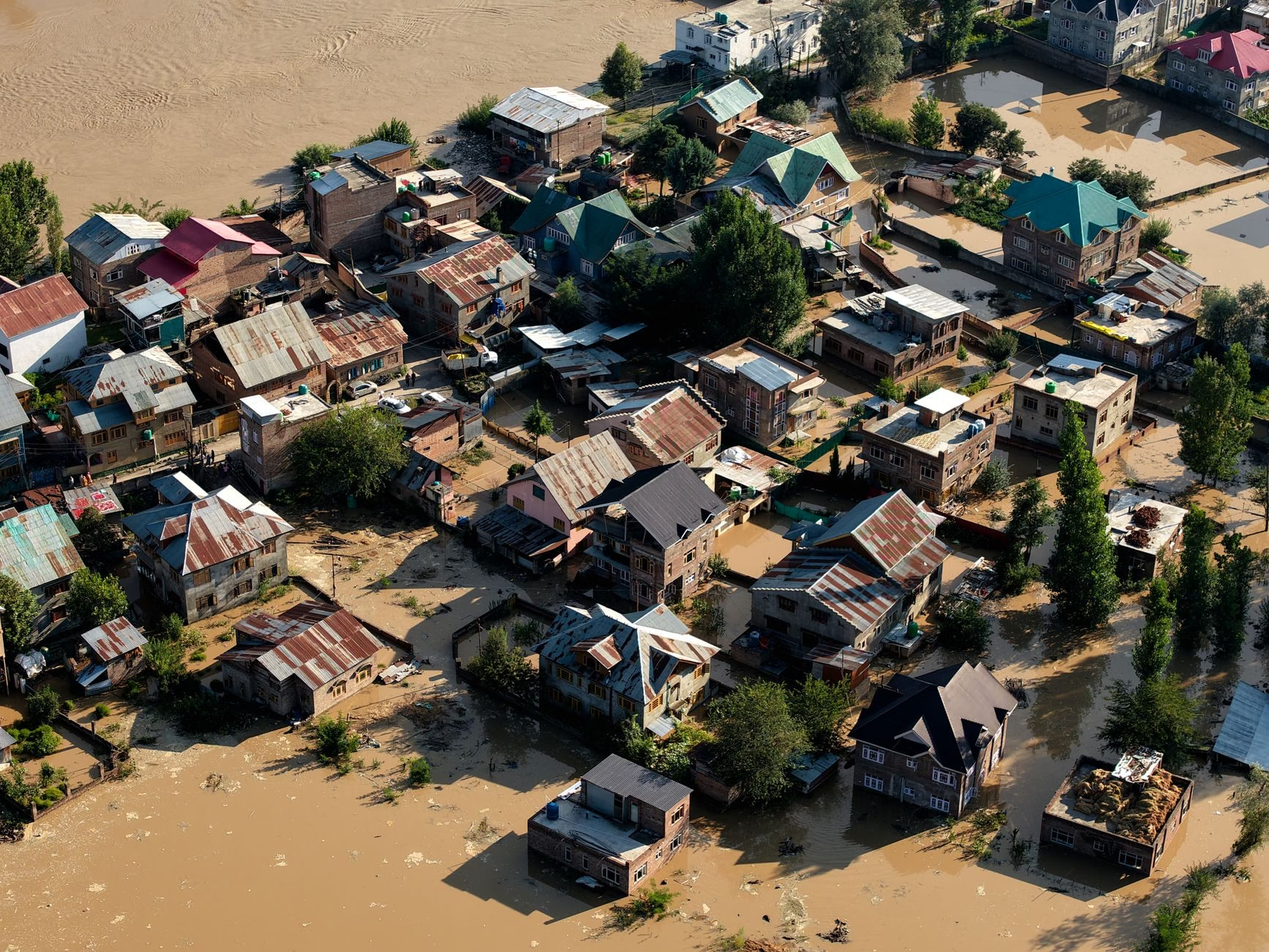
The Aftermath of Disaster
Natural calamities often leave behind a trail of destruction that extends far beyond physical infrastructure. In the wake of severe flooding in the Himalayan region, numerous families are left grappling with uncertainty and grief. The disaster struck suddenly, catching residents and travelers off guard and transforming familiar landscapes into treacherous torrents of water and debris.
Search and Rescue Challenges
Emergency response teams have been working tirelessly in extremely difficult conditions to locate individuals who disappeared during the deluge. The rugged terrain of the Himalayas poses significant hurdles for rescue operations. Swollen rivers, washed-out roads, and blocked mountain passes make it nearly impossible for heavy machinery and rescue personnel to reach the hardest-hit zones quickly.
Personal Tragedies Amid the Chaos
Behind the sweeping statistics of natural disasters are deeply personal stories of loss and survival. Relatives of the missing individuals endure agonizing waits for updates from rescue coordinators. The emotional toll on families who cannot locate their parents, children, or siblings is immeasurable. Hope often hangs by a thread as hours turn into days without definitive news from the disaster areas.
Assessing the Environmental Impact
Meteorologists and environmental scientists point to changing weather patterns as a driving factor behind the intensity of these floods. Unprecedented rainfall volumes overwhelm natural drainage systems in mountainous regions, triggering landslides and flash floods. Experts emphasize the urgent need for improved early warning systems and climate resilience infrastructure to protect vulnerable communities living along Himalayan river valleys.
Community Resilience and Support
Despite the overwhelming adversity, local communities and volunteer networks have rallied together to provide shelter, food, and emotional support to displaced persons. Relief camps have been established to accommodate those who lost their homes. Community kitchens and medical stations operate around the clock to cater to immediate survival needs.
Looking Ahead
As the floodwaters slowly recede, the long journey toward recovery begins for the affected region. Rebuilding livelihoods, repairing damaged infrastructure, and providing psychological support for traumatized survivors will require sustained national and international assistance. For the families still waiting for news of their missing loved ones, however, true peace cannot begin until answers are finally found.





















Leave a Reply