


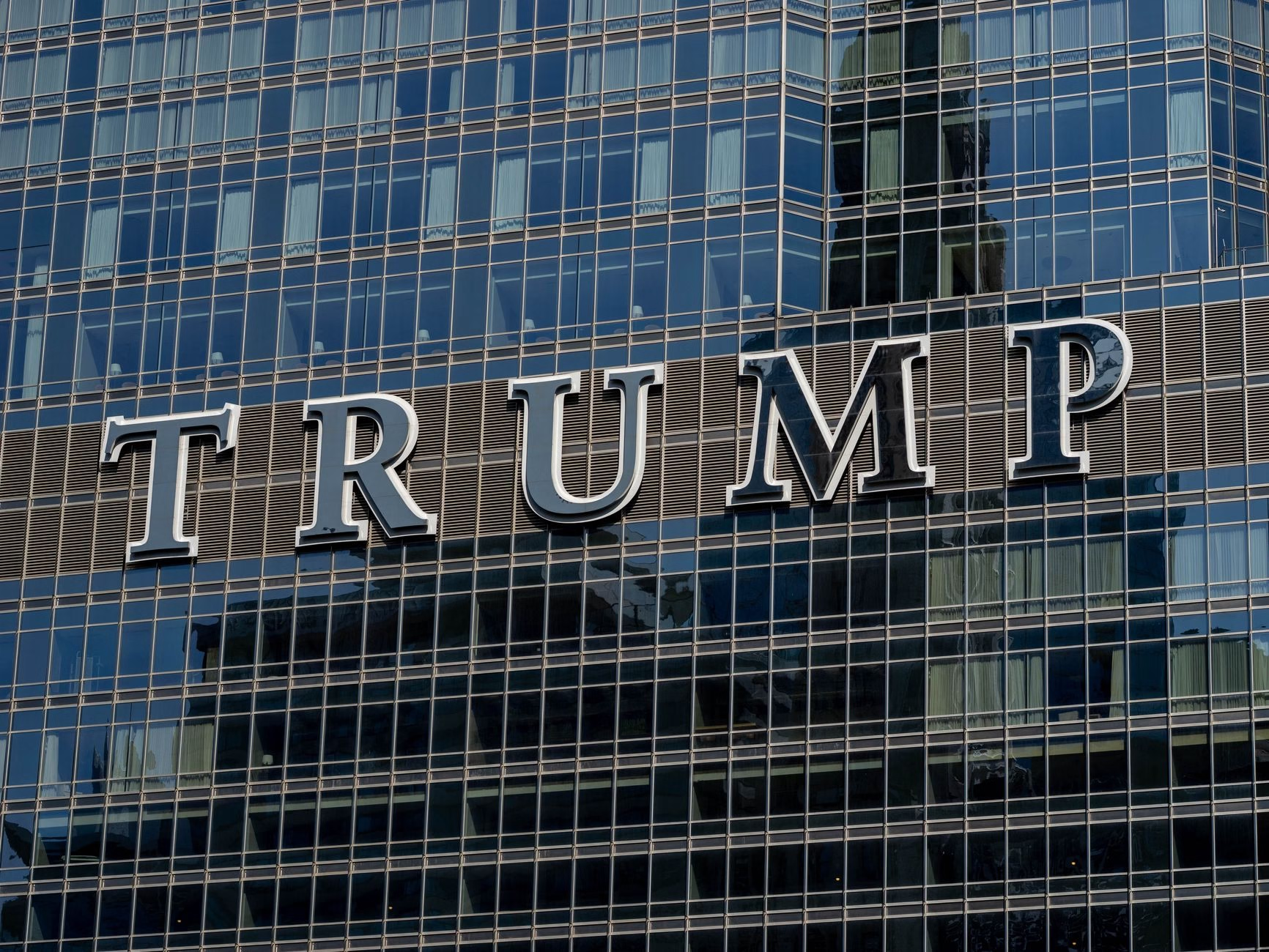
Energy Market Dynamics and Political Portfolios
The ongoing conflict involving Iran has triggered substantial turbulence across global energy markets. Amid these shifting economic landscapes, financial analyses of political figures often reveal intersections between geopolitical events and personal wealth. Recent financial reviews indicate that significant oil and gas holdings maintained by former officials experienced notable valuation increases during the height of market volatility.
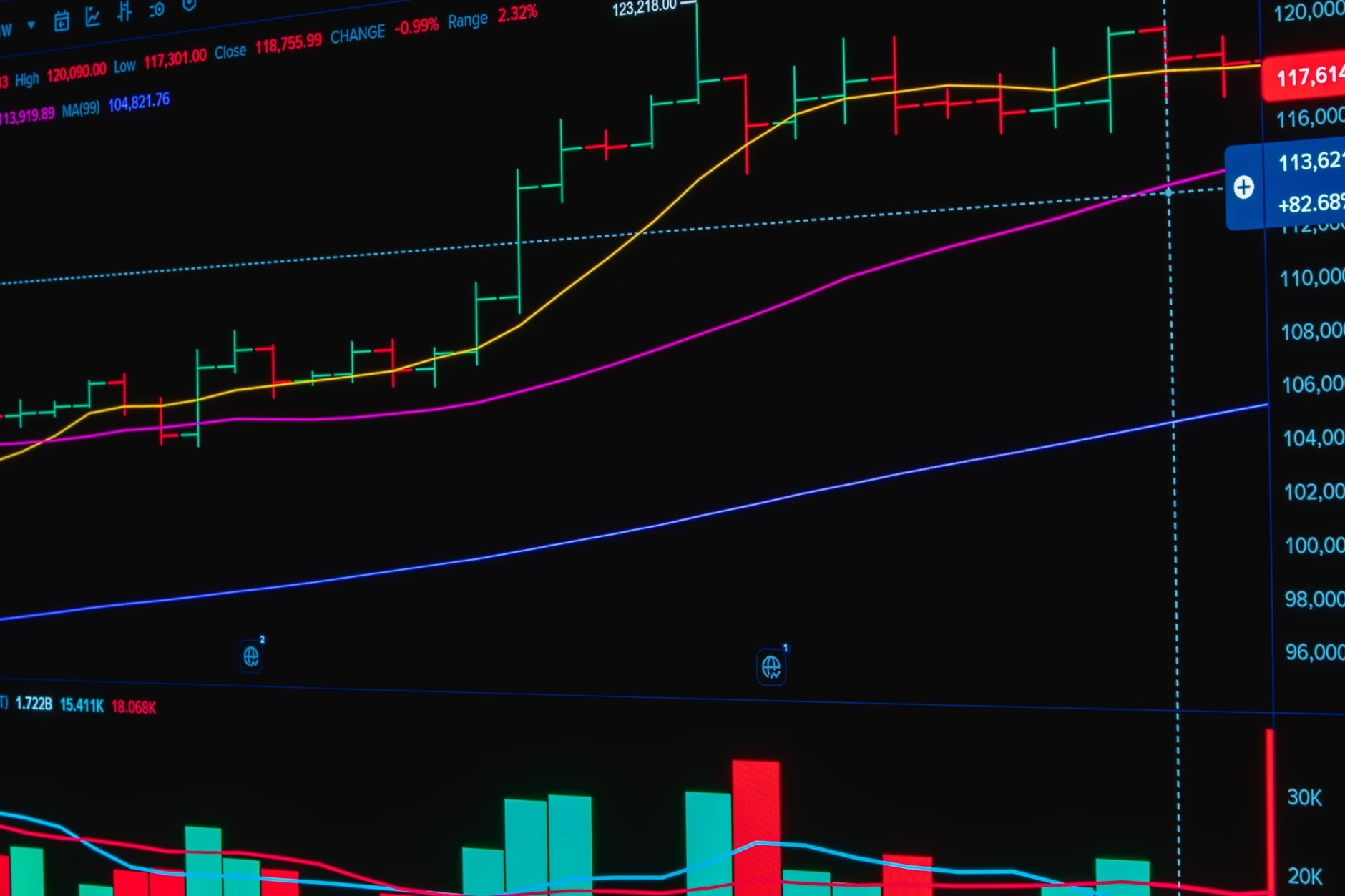
Financial analysts tracking asset performance during periods of international conflict frequently examine how specific commodities respond to supply chain disruptions. The oil and gas sector remains particularly sensitive to Middle Eastern tensions, where any escalation threatens critical shipping lanes and production facilities. During the recent Iran war, crude prices experienced sharp fluctuations, creating distinct financial opportunities for investors holding substantial energy equities.
Examination of Energy Holdings
Investments in traditional fossil fuel companies have historically served as a cornerstone for various high-profile financial portfolios. Financial investigations into these portfolios often utilize public disclosure reports, transaction logs, and estimated asset values to track performance over specific timeframes. Reports focusing on these holdings during the Iran conflict highlight how continuous trading activity and asset retention influenced overall portfolio growth.
Evaluating the performance of these specific energy assets requires a close look at market pricing trends throughout the duration of the military engagement. As petroleum values responded to regional instability, accounts holding these equities registered measurable financial expansion. Observers note that maintaining active trading strategies during periods of high commodity demand can significantly impact the final valuation of energy-focused portfolios.
Broader Economic Implications
The intersection of political leadership, active financial portfolios, and wartime commodity pricing continues to draw intense scrutiny from economic observers and the public. Transparency regarding asset management during times of international crisis remains a central topic of discussion among ethics experts and financial regulators.
As global energy markets adapt to ongoing geopolitical shifts, the relationship between military conflicts in key producing regions and individual investment returns highlights the complexities of modern wealth management. Financial tracking of these portfolios provides ongoing insights into how macro-level events translate into micro-level financial gains for prominent stakeholders.















Leave a Reply