


Introduction to the Repatriation Effort
Cultural institutions around the globe face growing calls to review their collections and address historical grievances tied to colonial expansion. As part of this broader movement toward ethical stewardship, a prominent anthropological institution in the United Kingdom has announced plans to return ancestral remains to their place of origin.
The institution at the center of this decision is the renowned Pitt Rivers Museum. Known globally for its vast holdings in anthropology, ethnology, and archaeology, the museum manages thousands of historical items and human remains gathered during times of imperial dominance.
Details of the Affected Community
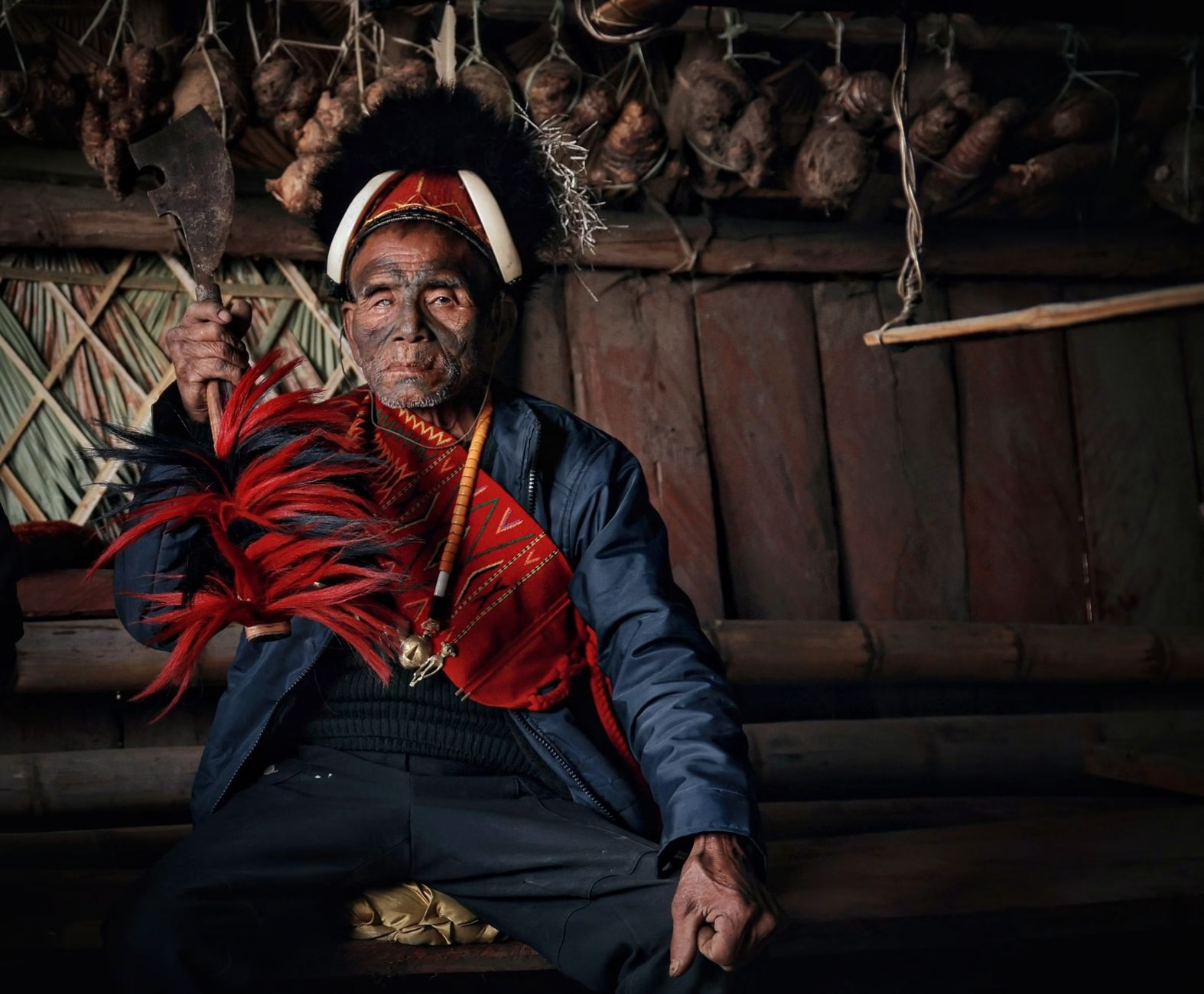
The planned repatriation involves the ancestral remains of thirty-nine individuals. These remains were originally taken from the Naga community, an indigenous group residing in the border regions of India and Myanmar, during the era of British colonial rule.
Historical records indicate that the collection of these remains occurred under circumstances deeply intertwined with imperial dominance and anthropological practices of the nineteenth and early twentieth centuries. For generations, descendants of the affected communities have sought the return of their ancestors to ensure proper and respectful final rites.
The Scale of the Collection
The human remains are only part of a much larger holding associated with this specific indigenous group. Archives show that the institution currently houses over 6,000 artifacts originating from the Naga community.
These items range from everyday objects to textiles and ceremonial pieces. While the current repatriation announcement focuses specifically on the human remains, discussions surrounding the broader collection of cultural heritage items continue to evolve as international standards for museum ethics shift.
A Shifting Landscape in Museum Ethics
The decision by the Pitt Rivers Museum reflects a significant shift in how academic and cultural centers manage controversial holdings. Increasingly, curators and directors engage with source communities to address past injustices and establish collaborative relationships.
By returning ancestral remains, institutions hope to foster reconciliation and acknowledge the pain caused by historical collecting practices. The process involves careful coordination with local leaders, government representatives, and cultural custodians in the region of origin.
Looking Ahead to the Return
Logistical preparations for the transfer of the remains require meticulous planning to ensure respect for traditional customs and proper handling. Representatives from the museum work closely with delegates from the region to coordinate a meaningful and respectful handover.
This upcoming repatriation marks a notable milestone for the institution and the communities involved. It underscores a growing commitment within the global museum sector to prioritize human dignity, cultural respect, and historical accountability.


















Leave a Reply