


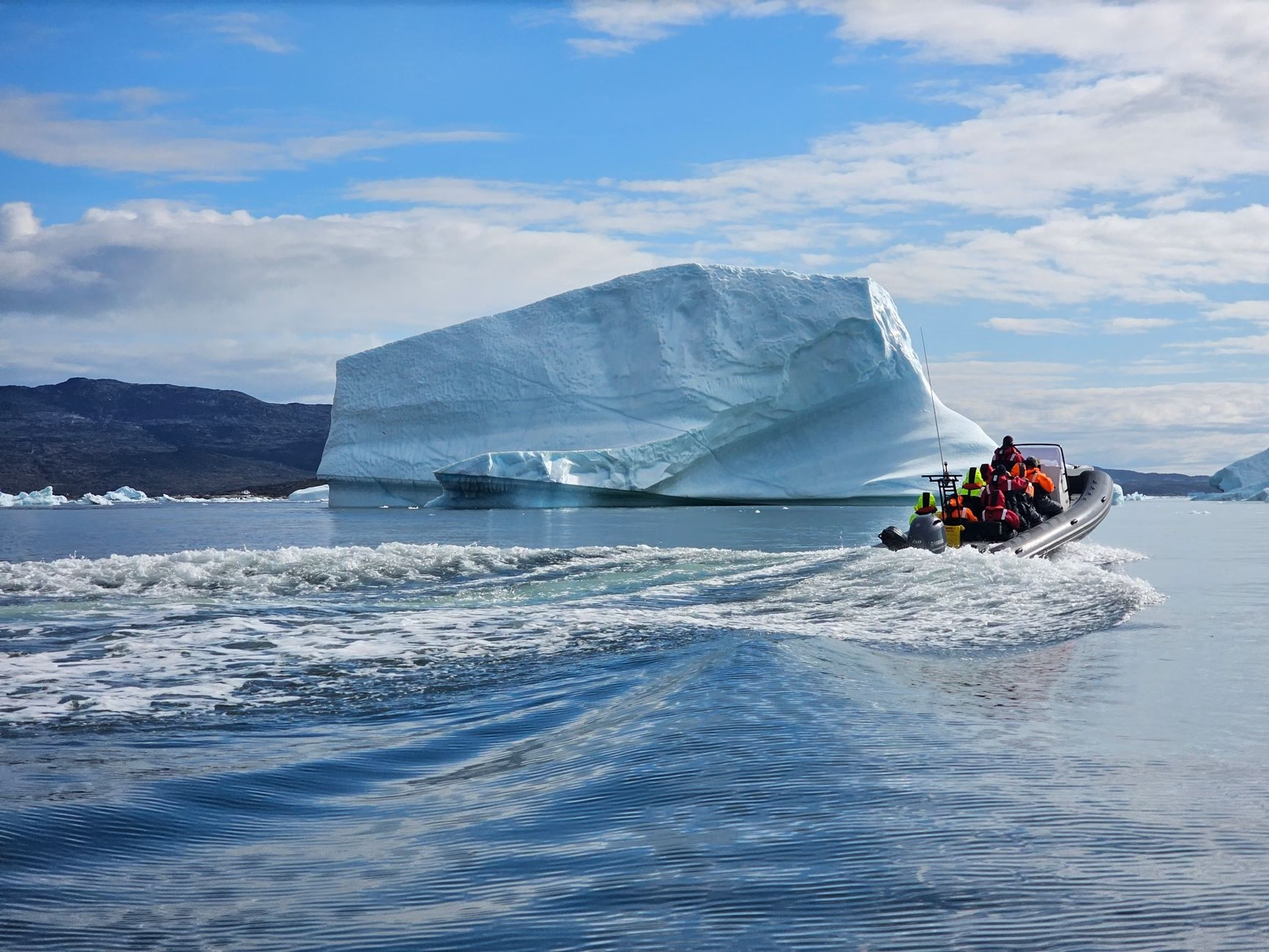
Strategic Importance of the Arctic
The Arctic region continues to attract intense global attention as governments recognize its vital geopolitical and economic value. Long viewed as a remote and frozen frontier, the area is now central to international diplomacy, trade routes, and resource development. As global powers look northward, local administrations find themselves navigating complex relationships with traditional allies and economic partners.
Financial Support from Brussels
In a significant development for the autonomous territory, substantial financial backing has been officially announced by European Union authorities. This funding aims to bolster regional development, infrastructure, and economic resilience. By strengthening ties with Brussels, the local government secures essential resources needed for long-term stability and sustainable growth.
Geopolitical Pressures and Territorial Ambitions
This financial injection arrives during a delicate period for regional diplomacy. Recent discussions involving international figures have highlighted renewed ambitions regarding territorial acquisition, often framed around national security arguments. These strategic pushes underscore the ongoing competition for influence in the high north, where critical minerals and shipping lanes hold immense value.
Shifting Alliances in the North Atlantic
The financial commitment from the European Union also coincides with evolving political landscapes across neighboring nations. Public sentiment and democratic processes in the wider North Atlantic continue to shape how local populations view closer integration with continental institutions. While some communities evaluate the benefits of multilateral cooperation, others remain cautious about aligning too closely with external governing bodies.
Looking Ahead
As Greenland moves forward with this new financial support, the path ahead involves careful balancing of economic opportunities and geopolitical realities. Local leaders must navigate external pressures while prioritizing the well-being and self-determination of the population. The coming years will undoubtedly test the resilience of Arctic diplomacy as major global actors continue to vie for strategic influence in the region.




















Leave a Reply