


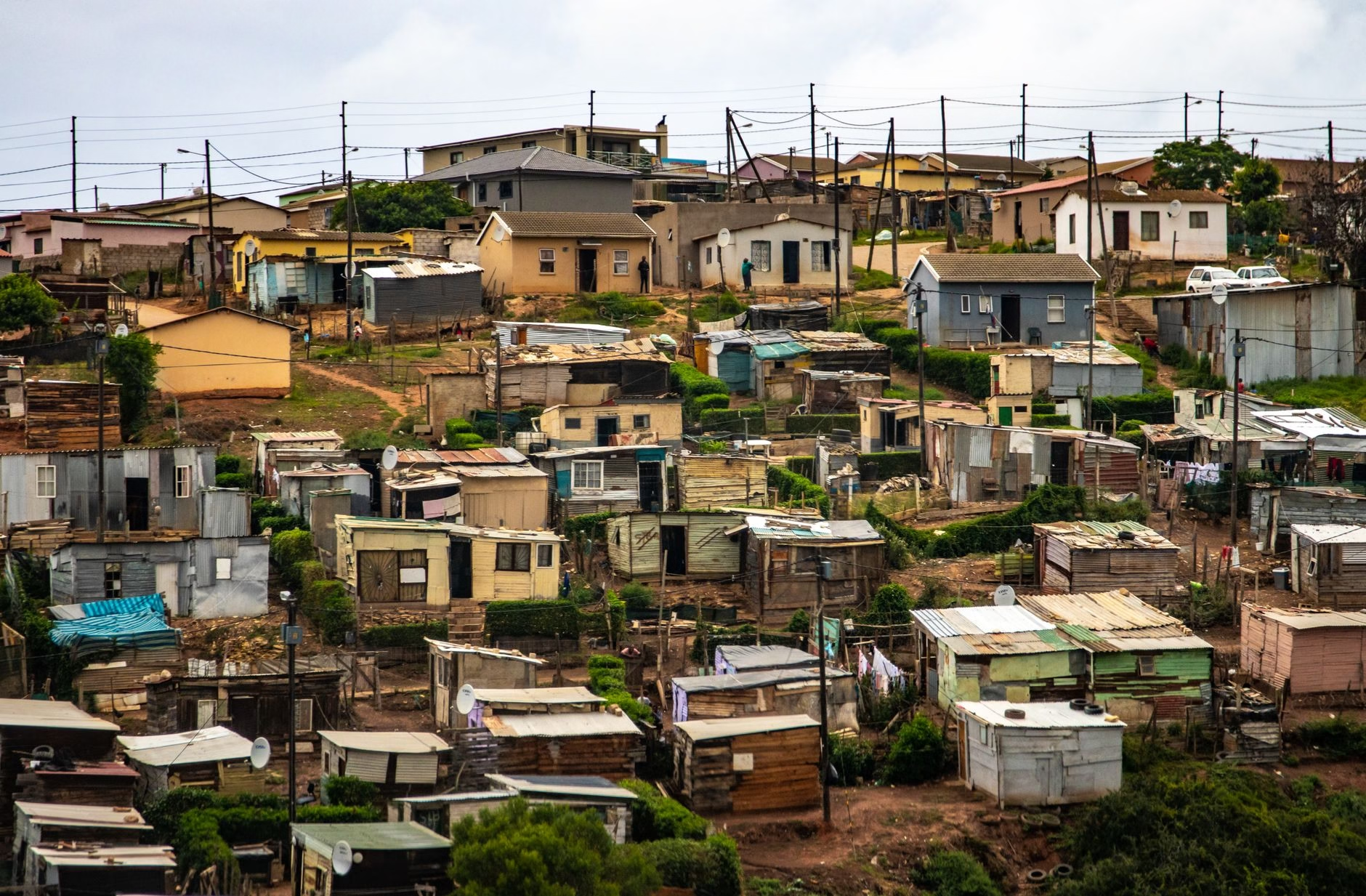
Understanding the American Affordable Housing Crisis
The United States currently faces a deeply concerning paradox within its housing sector. While millions of low income families struggle every single day to secure stable shelter, a significant number of subsidized units remain completely vacant. This troubling disconnect highlights severe systemic flaws in how the nation administers and distributes affordable housing resources.
The Most Vulnerable Face the Greatest Shortage
At the very bottom of the economic ladder, the scarcity of affordable homes reaches crisis levels. Individuals and families earning the least amount of money encounter an extreme shortage of housing options that align with their limited budgets. The private market naturally gravitates toward higher profit margins, leaving the most economically disadvantaged population with very few viable choices.
Vacant Units Amid Desperate Need
Despite the desperate demand for affordable living spaces, many designated low income units sit empty across various regions. This strange phenomenon occurs due to a complex web of bureaucratic hurdles, stringent eligibility requirements, and administrative delays. Property managers often face strict guidelines that make filling vacancies a slow and arduous process.
Administrative and Financial Barriers
Administrative burdens frequently prevent eligible applicants from successfully moving into available properties. Lengthy waiting lists, extensive paperwork, and rigid qualification criteria create massive roadblocks for people experiencing homelessness or severe housing instability. Furthermore, operational funding challenges can leave property owners struggling to maintain vacant units, delaying the turnaround time required to welcome new residents.
The Impact of Regional Disparities
Geographic location plays a massive role in the availability of low income housing. Economic growth and population shifts mean that affordable units are often concentrated in areas lacking robust job opportunities or reliable public transportation. Conversely, high demand urban centers suffer from chronic shortages where available spaces vanish almost instantly.
Bridging the Gap for Low Income Renters
Solving this intricate housing crisis requires coordinated efforts from policymakers, community leaders, and housing authorities. Streamlining application processes and reducing administrative friction can help get vulnerable people off the streets and into vacant properties much faster. Updating regional housing policies remains essential to ensure that empty units effectively serve the populations who need them the most.
Moving Forward with Sustainable Solutions
Addressing the core drivers of housing shortages demands long term vision and dedicated funding. By focusing on practical reforms, the nation can better align available resources with human need. Ensuring stable shelter for the poorest residents is not merely an economic necessity, but a fundamental foundation for community well-being.
























Leave a Reply