


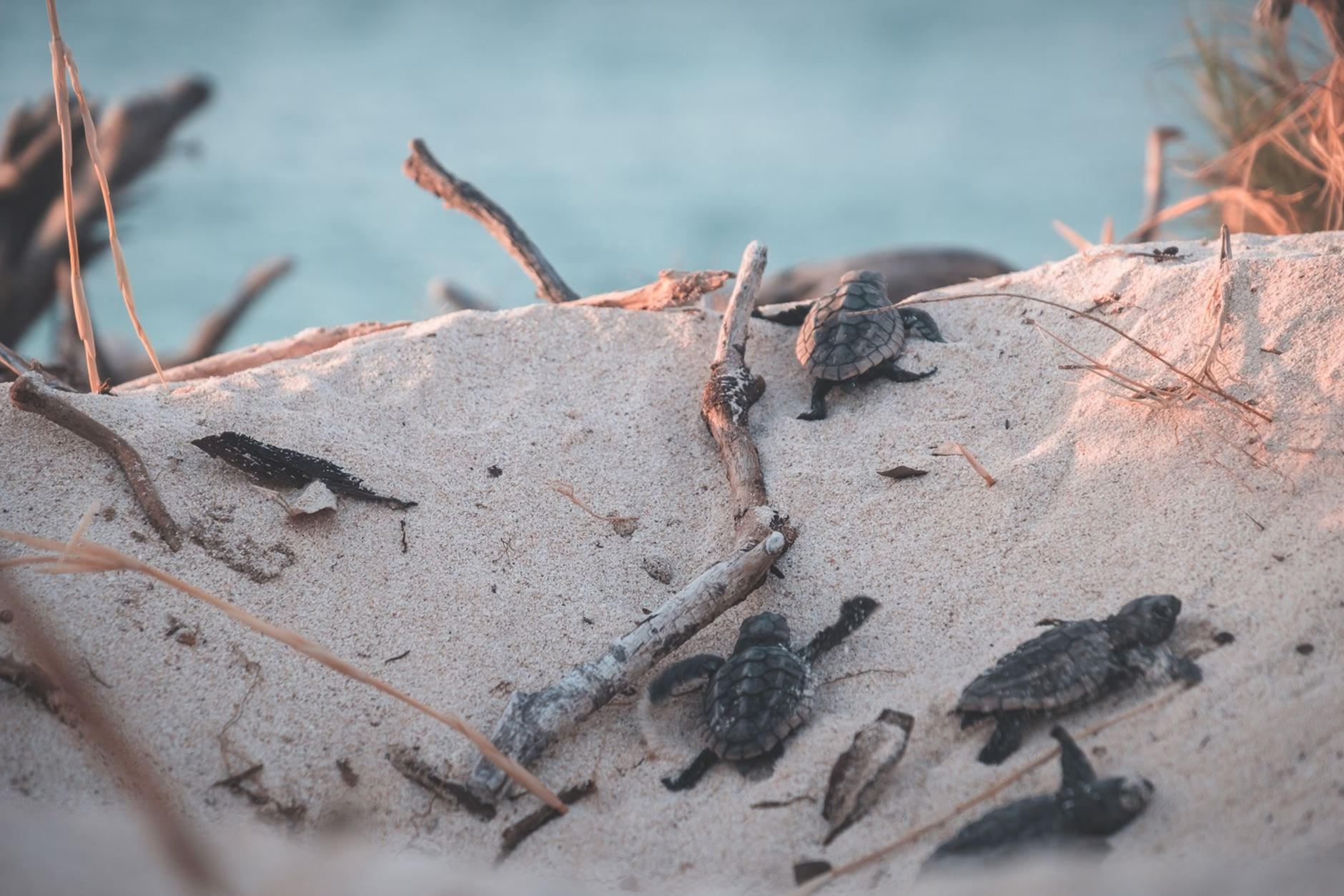
Anna Maria Island Sea Turtle Nesting Season Challenges
Coastal wildlife conservationists and local environmental organizations on Anna Maria Island are closely monitoring a particularly difficult period for local marine life. The annual reproductive cycle for vulnerable marine species has encountered significant environmental obstacles this year. Conservation teams report that rising water levels and excessive coastal illumination are creating dangerous hurdles for nesting females and their vulnerable hatchlings.
The Importance of Marine Conservation
Every year, thousands of marine reptiles migrate toward the sandy shores of the region to lay their eggs. These coastal habitats play a critical role in maintaining healthy populations of these protected creatures. Local groups work tirelessly to monitor nests, educate beachgoers, and ensure that the shoreline remains a safe sanctuary for these remarkable animals during their delicate reproductive cycle.
Impact of Coastal Flooding on Nests
One of the most pressing concerns during the current nesting period is severe coastal inundation. Unusual weather patterns and high tides frequently submerge large sections of the beach. When nests remain underwater for extended periods, the developing embryos often struggle to survive. Excess moisture can suffocate the eggs, drastically reducing the overall hatching success rate across the shoreline.
Danger of Artificial Lighting
Beyond rising water levels, excessive human-made illumination presents another major hazard. When beachfront properties leave bright lights on overnight, it disrupts the natural behavior of both nesting females and newly emerged hatchlings. Adult turtles seeking dark, quiet shores to lay eggs are often deterred by bright properties. Meanwhile, newly hatched reptiles rely on natural moonlight reflecting off the ocean to guide them toward the water. Artificial lights disorient these tiny creatures, causing them to move inland instead of toward the sea, where they face dehydration and predators.
Community Response and Mitigation Efforts
In response to these compounding threats, local conservationists and community leaders are stepping up their protective measures. Volunteers patrol the beaches daily to identify vulnerable nests, sometimes relocating them to higher ground away from the reach of high tides. Additionally, public outreach campaigns urge residents and tourists to turn off non-essential outdoor lighting and use amber-colored bulbs after dark to minimize light pollution.
Looking Ahead for Coastal Wildlife
Protecting marine reptiles requires ongoing collaboration between local authorities, residents, and visitors. As coastal environments continue to face pressures from development and changing weather patterns, maintaining strict conservation protocols remains essential. The future success of marine life in the region depends heavily on community awareness and proactive protection of vulnerable nesting habitats.




















Leave a Reply