


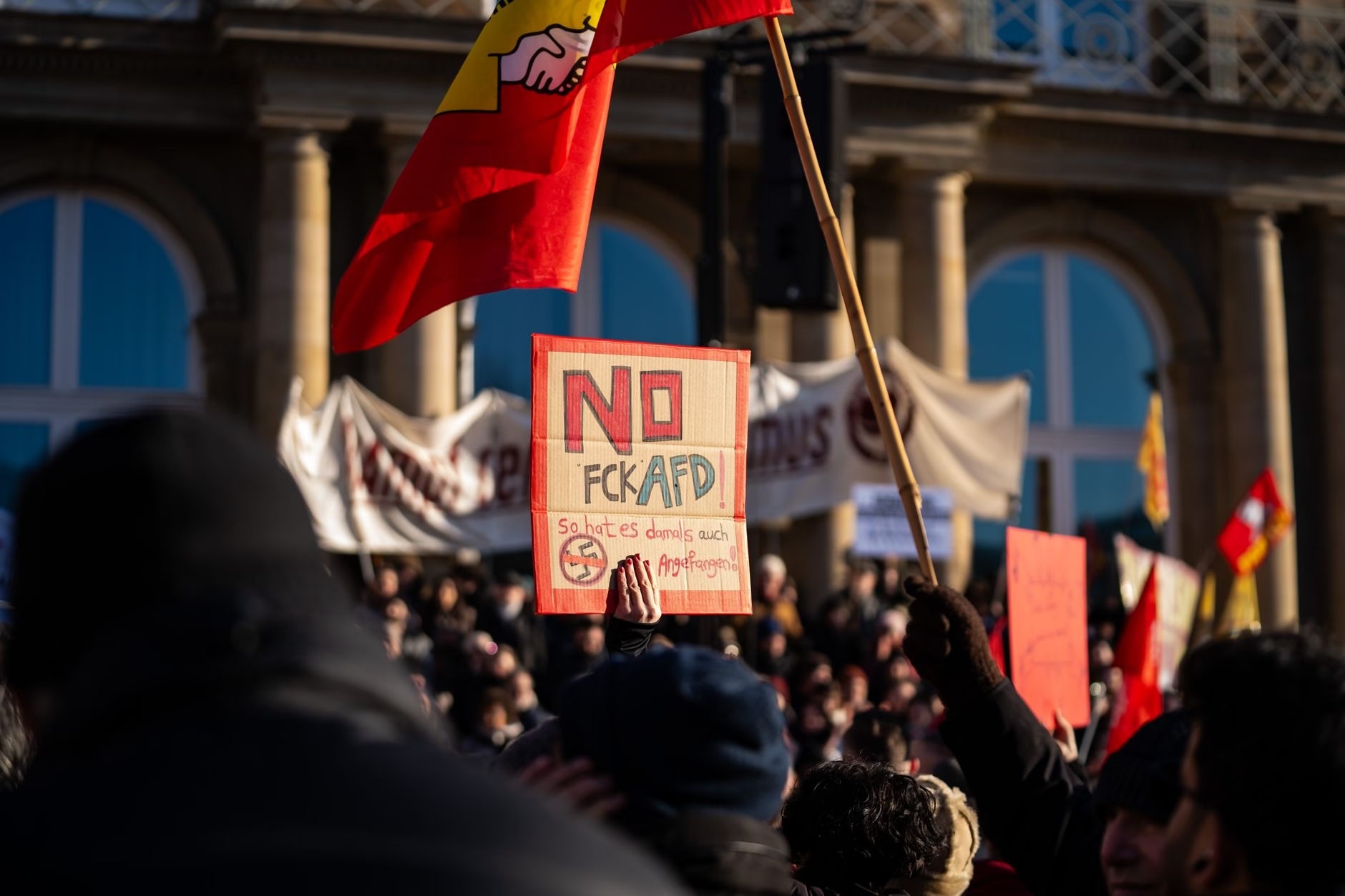
Political Movements Across Europe
Recent political developments in Germany have triggered reactions from nationalist movements across the European continent. Following notable electoral outcomes in the country, political figures in both Spain and Portugal publicly extended their congratulations to the Alternative for Germany party.
Reactions from Spain
In Spain, the leadership of the Vox party expressed strong support for the German political organization. Representatives highlighted the growing strength of nationalist factions throughout Europe, framing the electoral results as part of a broader continental shift in voter sentiment and political alignment.
Perspectives from Portugal
Simultaneously, political actors in Portugal took notice of the outcomes in Central Europe. Leaders of the Chega party shared similar sentiments of approval, emphasizing the shared objectives among various right-of-centre groups aiming to reshape regional policy discussions regarding immigration, sovereignty, and economic governance.
Broader Political Implications
Observers of European politics note that these public messages of support illustrate a strengthening network of nationalist parties operating within the European Union. As these factions gain momentum in national legislatures, collaboration and ideological alignment among them continue to develop, potentially influencing upcoming legislative agendas and cross-border political strategies.
Conclusion
The alignment between political entities in Southern and Central Europe underscores a changing landscape within regional governance. While mainstream parties navigate these shifts, nationalist groups remain focused on expanding their influence and coordinating their efforts moving forward.





















Leave a Reply