


Ethical Sloth Tourism Guidelines
Encountering a sloth in its natural environment is a dream for many nature enthusiasts. These slow-moving mammals capture hearts worldwide with their gentle demeanor and unique lifestyle. However, increasing tourism has brought significant challenges to their conservation. Ensuring that your wildlife viewing experiences are ethical requires careful planning and a commitment to animal welfare.
Understanding Sloth Behavior
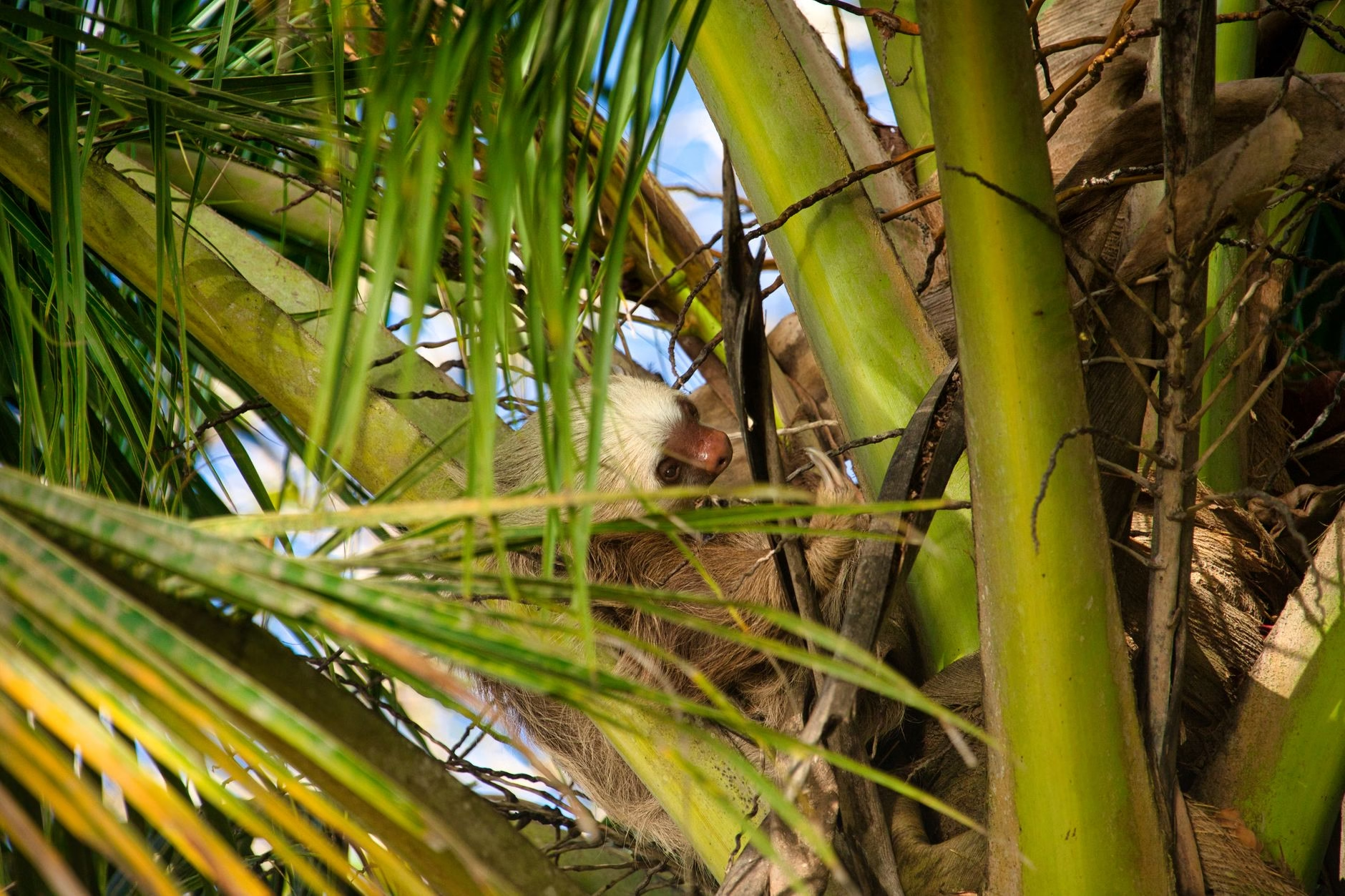
Sloths spend the vast majority of their lives high in the forest canopy. They move very little to conserve energy due to their low-calorie diet of leaves. Because they are adapted to a quiet, solitary existence, any sudden movement or loud noise from humans causes them immense stress. When tourists crowd around them or attempt to touch them, the animals experience elevated heart rates and fear. Respecting their space means keeping a safe distance at all times and avoiding flash photography.
Choosing Ethical Sanctuaries
If you want to observe sloths up close, selecting the right facility is critical. Legitimate rescue centers and rehabilitation sanctuaries focus on the recovery and eventual release of injured or orphaned animals. These organizations strictly prohibit handling by visitors, as sloths are wild animals rather than pets. Facilities that allow tourists to hold, cuddle, or pose with sloths for photographs are prioritizing entertainment over animal welfare. Supporting these exploitative businesses contributes directly to the suffering and mistreatment of the wildlife.
Spotting Sloths in the Wild
The most rewarding way to see a sloth is in the wild. Booking a tour with a certified, knowledgeable guide increases your chances of spotting them without causing disruption. Professional guides know how to locate sloths from a respectful distance using binoculars or spotting scopes. They understand the local ecosystem and can educate visitors on the importance of habitat preservation. By keeping your distance and using telescopic equipment, you can enjoy observing their natural behaviors without altering their daily routines.
Supporting Conservation Efforts
Responsible travel goes beyond choosing the right tour operator. Travelers can support long-term conservation by contributing to organizations dedicated to protecting rainforest habitats. Deforestation remains the primary threat to wild populations, fragmenting their homes and increasing their vulnerability to predators and vehicle collisions. Supporting reforestation initiatives helps secure a future for these iconic creatures. Educating fellow travelers about the risks of unethical animal tourism further amplifies the positive impact of your journey.
Conclusion
Experiencing the wonder of sloths does not have to come at the expense of their well-being. By prioritizing ethical tourism, supporting true sanctuaries, and admiring them from afar, travelers can enjoy meaningful wildlife encounters while ensuring these remarkable animals continue to thrive in the wild for generations to come.






















Leave a Reply