


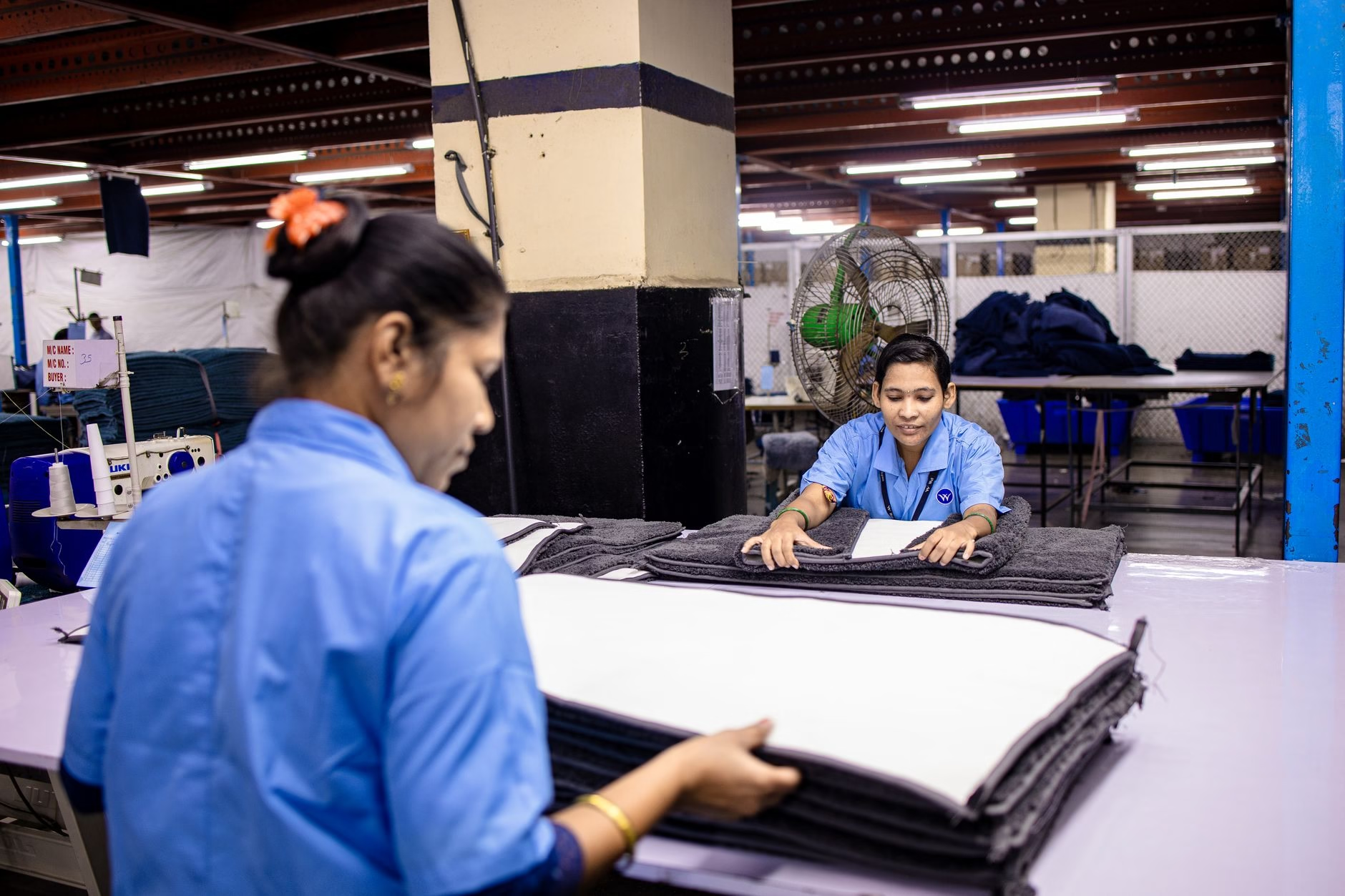
China Maintains Top Spot in International Apparel Trade
China continues to hold the premier position in the worldwide apparel export market, even as formidable competitors gradually close the distance. Recent trade data highlights the ongoing shifts within the global fashion supply chain as manufacturing hubs adapt to evolving economic conditions.
The Evolution of Global Textile Manufacturing
For decades, the Asian nation has served as the primary manufacturing powerhouse for the international clothing industry. Unmatched infrastructure, vast supply chain networks, and advanced production technologies have allowed the country to dominate the sector.
Despite rising labor costs and shifting trade policies, the industrial ecosystem remains remarkably resilient. Factories have successfully transitioned toward higher-value production, focusing on technical textiles and advanced automation to maintain a competitive edge.
Rising Competitors in South and Southeast Asia
While the leading exporter retains its crown, competitors are making significant strides. Nations such as Bangladesh and Vietnam have emerged as major alternatives for global fashion brands seeking diverse sourcing strategies.
Bangladesh relies heavily on its massive labor force and favorable trade agreements, particularly with European markets. The nation continues to expand its production capacity, securing a larger share of basic apparel manufacturing.
Vietnam has also strengthened its standing through strategic investments in infrastructure and a skilled workforce. By signing numerous free trade agreements, the country has attracted substantial foreign investment, positioning itself as a reliable hub for higher-quality garment production.
Challenges Facing the Apparel Export Sector
Global apparel exporters face several headwinds in the current economic climate. Fluctuating consumer demand in Western markets, rising shipping costs, and stricter environmental regulations require manufacturers to adapt quickly.
Sustainability has become a major focus for buyers worldwide. Factories in both the dominant manufacturing nation and its regional competitors are investing in eco-friendly practices to meet stringent international standards.
Future Outlook for International Fashion Sourcing
Brands and retailers are increasingly adopting dual-sourcing or China-plus-one strategies to mitigate supply chain risks. This approach ensures greater resilience against geopolitical tensions and unexpected disruptions.
Even with these diversification trends, the sheer scale of the leading exporter ensures it will remain a central pillar of the global fashion industry for the foreseeable future. The evolving landscape reflects a more competitive and diversified international market.






















Leave a Reply