


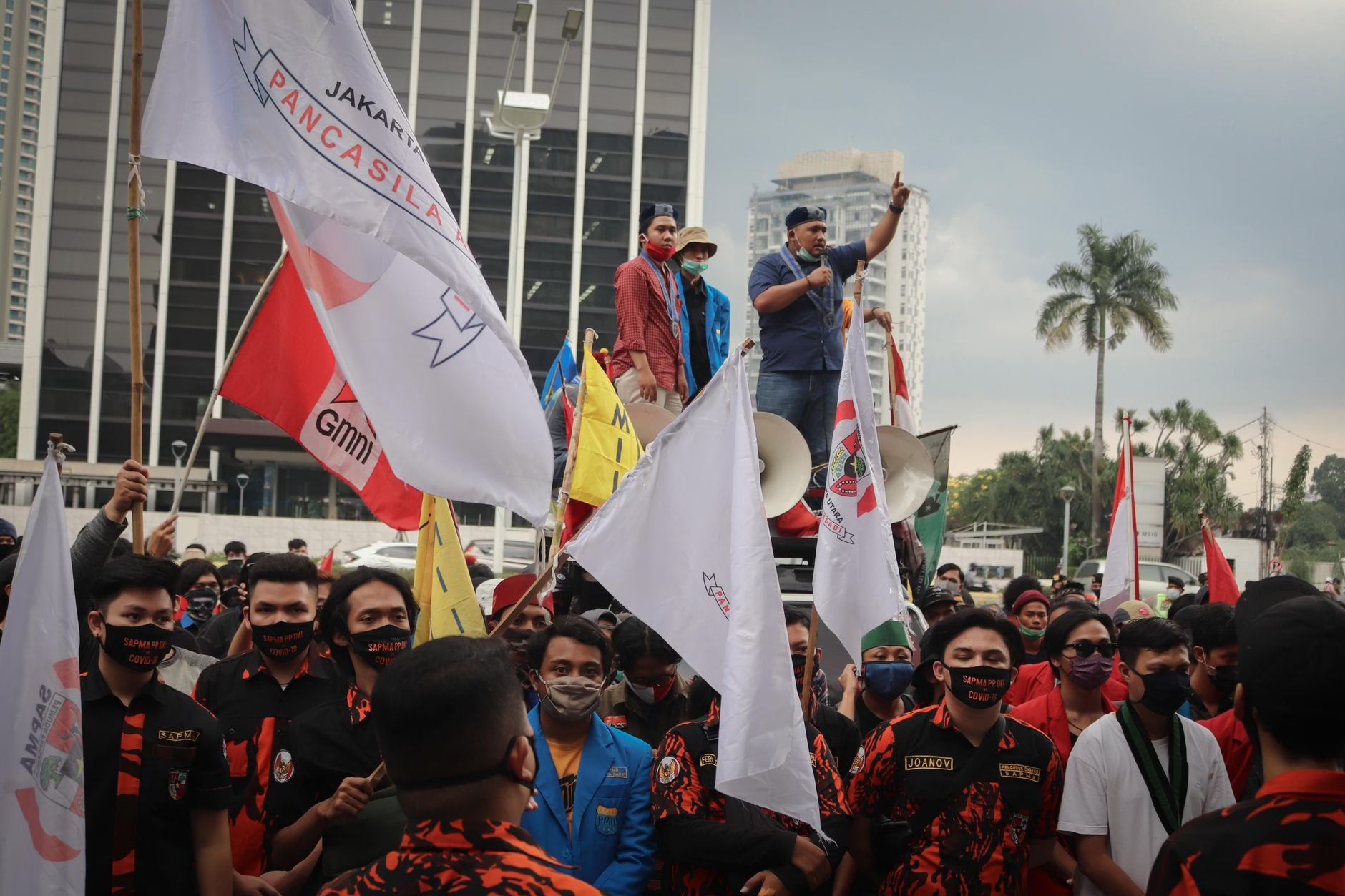
Introduction to Digital Manipulation in Indonesia
In recent years, the landscape of public protest and political dissent has undergone a profound transformation. As citizens increasingly take to the digital sphere to organize, voice grievances, and demand accountability, malicious actors have adapted their strategies to counter these movements. In Indonesia, recent demonstrations have been met with sophisticated and coordinated disinformation campaigns designed to undermine the credibility of protesters and sway public perception.
The Evolution of Online Propaganda
Digital propaganda is no longer limited to simple misinformation or isolated fake news posts. Modern campaigns utilize coordinated networks of inauthentic accounts, automated bots, and carefully crafted narratives to amplify specific political agendas. When citizens mobilize for social or political change, these networks activate rapidly. Their primary objective is to dilute the messaging of the movement, sow confusion among the general public, and deflect scrutiny away from governing bodies or powerful entities.
Tactics Used Against Dissenters
Observers have identified several recurring patterns in how digital manipulation targets civic action. One common tactic involves discrediting the organizers and key figures of a protest by spreading fabricated personal scandals or false allegations of external funding. Another method is the deliberate exaggeration of crowd violence or property damage, framing peaceful assemblies as riots to justify a harsh institutional response.
Furthermore, state-aligned or interest-driven actors often deploy emotional manipulation. By appealing to fear, national security concerns, or cultural divisions, these campaigns attempt to turn mainstream society against the demonstrators. The goal is to isolate the protesters, stripping them of broader public sympathy and reducing their capacity to effect meaningful political or social reform.
The Broader Threat to Democratic Integrity
The reliance on coordinated disinformation poses a severe challenge to democratic participation. When the digital ecosystem is flooded with untrustworthy data and manufactured controversies, citizens find it increasingly difficult to discern objective reality. This erosion of trust weakens the foundation of informed public debate, which is essential for any healthy democratic society.
Protecting the Integrity of Public Discourse
Addressing this growing menace requires a multifaceted approach involving civil society, independent researchers, and technology platforms. Enhanced transparency in social media algorithms, rigorous fact-checking initiatives, and greater digital literacy among the general public are vital steps toward resilience. As Indonesia and other nations navigate this complex digital era, safeguarding the voices of protesters remains a crucial test for the future of free expression and democratic governance.




















Leave a Reply