


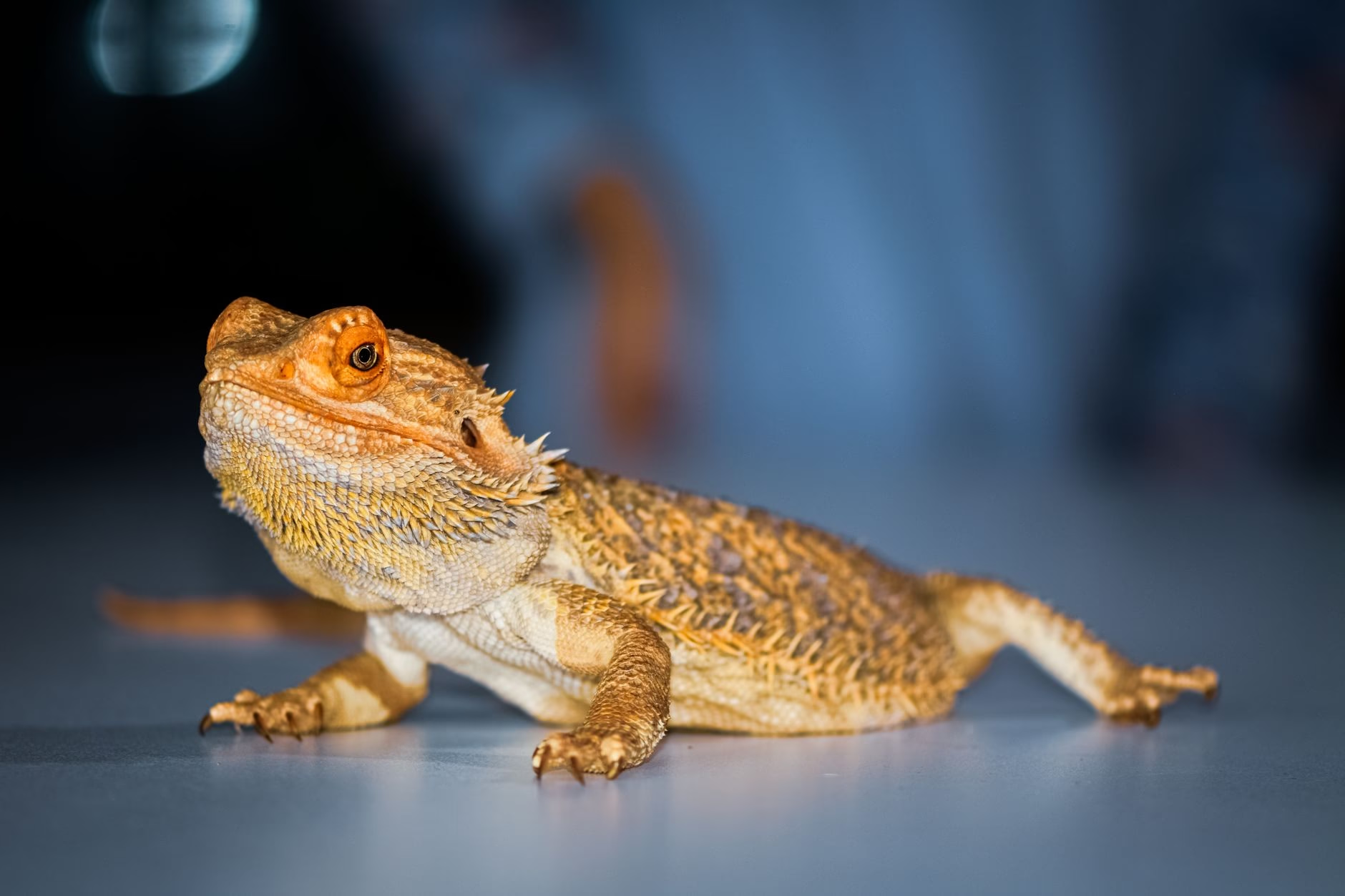
Understanding the Hidden Wildlife Trade
Wildlife trafficking is a massive global issue that often operates in the shadows, away from the public eye. While many people are aware of the illegal trade involving charismatic mammals, the underground market for reptiles remains a vast and largely overlooked crisis. A new television production aims to bring this clandestine underworld into the light, exposing the sophisticated networks responsible for capturing and selling rare creatures across international borders.
Directors and producers behind high-profile investigative projects have dedicated significant time and resources to uncovering these operations. By speaking directly with law enforcement agencies, conservationists, and individuals familiar with the trade, the creative team has managed to document a chilling reality. The sheer scale of reptile smuggling often surprises viewers who assume that wildlife protection laws are universally enforced and effectively deter criminals.
Behind the Scenes with the Creators
Creating a deep-dive documentary series requires immense dedication, patience, and courage. The minds behind Monsters of God recently sat down for a televised interview to discuss the inspiration behind their project and the arduous journey of capturing such dangerous subject matter on camera. Instead of focusing solely on the shock value of illegal animal trading, the production aims to provide a comprehensive look at the ecosystem of crime that fuels the demand for exotic pets.
The creative team emphasized that reptile smuggling is not merely the work of isolated poachers. It involves complex international supply chains that span multiple continents. From remote habitats where rare species are harvested to suburban neighborhoods where exotic pets are ultimately sold, the trade relies on a network of intermediaries, corrupt officials, and digital marketplaces that make tracking the animals exceptionally difficult.
Raising Awareness and Inspiring Action
A primary goal for the creators is to educate the public and spark meaningful conversations about animal conservation. Many consumers who purchase exotic reptiles are entirely unaware of the suffering and ecological damage associated with the supply chain. By revealing how animals are captured, transported, and sold, the series hopes to curb the consumer demand that ultimately drives the market.
Viewers are encouraged to look beyond the appeal of owning unusual animals and consider the broader environmental impact. Experts hope that increased visibility will lead to stricter regulations, better funding for wildlife enforcement agencies, and greater consumer scrutiny. As the series reaches broader audiences, the creators remain optimistic that greater awareness will translate into tangible protective measures for vulnerable species around the globe.
The Future of Wildlife Protection
Tackling an issue as deeply entrenched as reptile smuggling requires a multi-faceted approach involving governments, non-profit organizations, and everyday citizens. Documentaries and investigative journalism play a crucial role in this fight by keeping the pressure on lawmakers and maintaining public interest in environmental protection. As these hidden worlds are exposed, the path toward effective conservation becomes clearer, offering hope that the most vulnerable species can be preserved for future generations.



















Leave a Reply