


The global adventure motorcycle market is experiencing a significant shift as new manufacturers emerge from international regions to challenge established heritage brands. For years, iconic European and Japanese manufacturers dominated the middleweight and heavyweight adventure touring segments. Today, innovative engineering and advanced production capabilities are enabling rising competitors to introduce sophisticated alternatives. Among the most anticipated developments is a powerful new three-cylinder adventure motorcycle originating from China, specifically engineered to rival established benchmarks like the Triumph Tiger series.
Understanding the Three-Cylinder Advantage
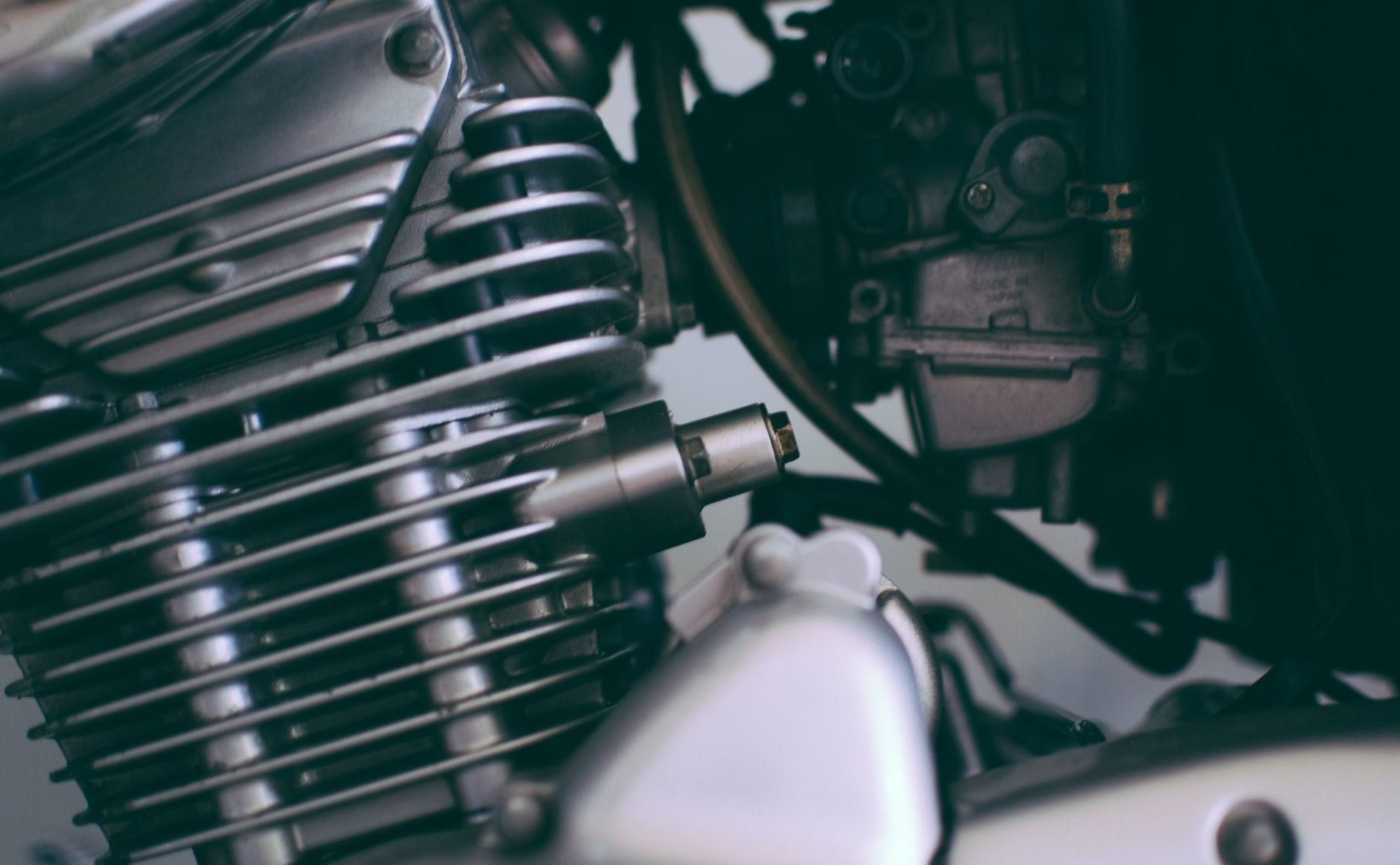
Three-cylinder engines have carved out a distinct reputation in the motorcycle industry for offering a balanced performance profile. By combining the low-end torque characteristics of a twin-cylinder motor with the high-RPM top-end power of a traditional four-cylinder setup, triple engines provide exceptional versatility. This engine configuration has long been a signature trait of specific European manufacturers, particularly when powering middleweight adventure machines designed for both off-road capability and highway touring comfort.
The entrance of a new Chinese competitor utilizing a similar three-cylinder architecture signals a major technical milestone. Rather than relying solely on traditional parallel-twin platforms, this new offering aims to replicate the smooth power delivery, distinctive exhaust note, and robust performance that riders expect from a modern adventure tourer. Engineers have meticulously developed the powerplant to ensure it meets rigorous international standards for emissions, durability, and reliability.
Design and Ergonomics for Long-Distance Touring
Adventure motorcycles must cater to a wide variety of riding conditions, ranging from daily commutes to multi-country expeditions. The design philosophy behind this new Chinese challenger focuses heavily on rider ergonomics, wind protection, and structural durability. An upright riding position, adjustable seating, and comprehensive instrumentation are expected to come standard, ensuring that long hours in the saddle remain comfortable.
The chassis has been engineered to handle demanding terrain without sacrificing stability at high speeds. High-specification suspension components, robust braking systems, and advanced rider aids are integrated into the overall package. Traction control, multiple ride modes, and anti-lock braking systems tailored for both street and dirt usage are anticipated, matching the technological sophistication found on more expensive rival models.
Market Impact and Global Competitiveness
As the adventure motorcycle segment continues to grow in popularity, consumers are increasingly willing to consider brands outside of traditional market leaders if the value proposition is compelling. The introduction of a high-performance, three-cylinder adventure bike from China provides riders with another viable option in a competitive landscape.
Pricing and distribution strategies will play a crucial role in determining the success of this new machine. While official pricing details vary by region, manufacturers entering the global arena typically leverage their manufacturing efficiencies to offer competitive pricing relative to established European and Japanese alternatives. This approach allows riders to access advanced engine technology and modern features at a potentially lower entry point.
Looking Ahead at the Adventure Segment
The arrival of this new three-cylinder contender highlights the rapid evolution of the motorcycle industry. Competition drives innovation, pushing all manufacturers to refine their engineering, enhance safety features, and deliver greater value to the consumer. As this machine makes its way to international markets, it will undoubtedly attract the attention of adventure enthusiasts eager to test its capabilities against established benchmarks like the Triumph Tiger.






















Leave a Reply