


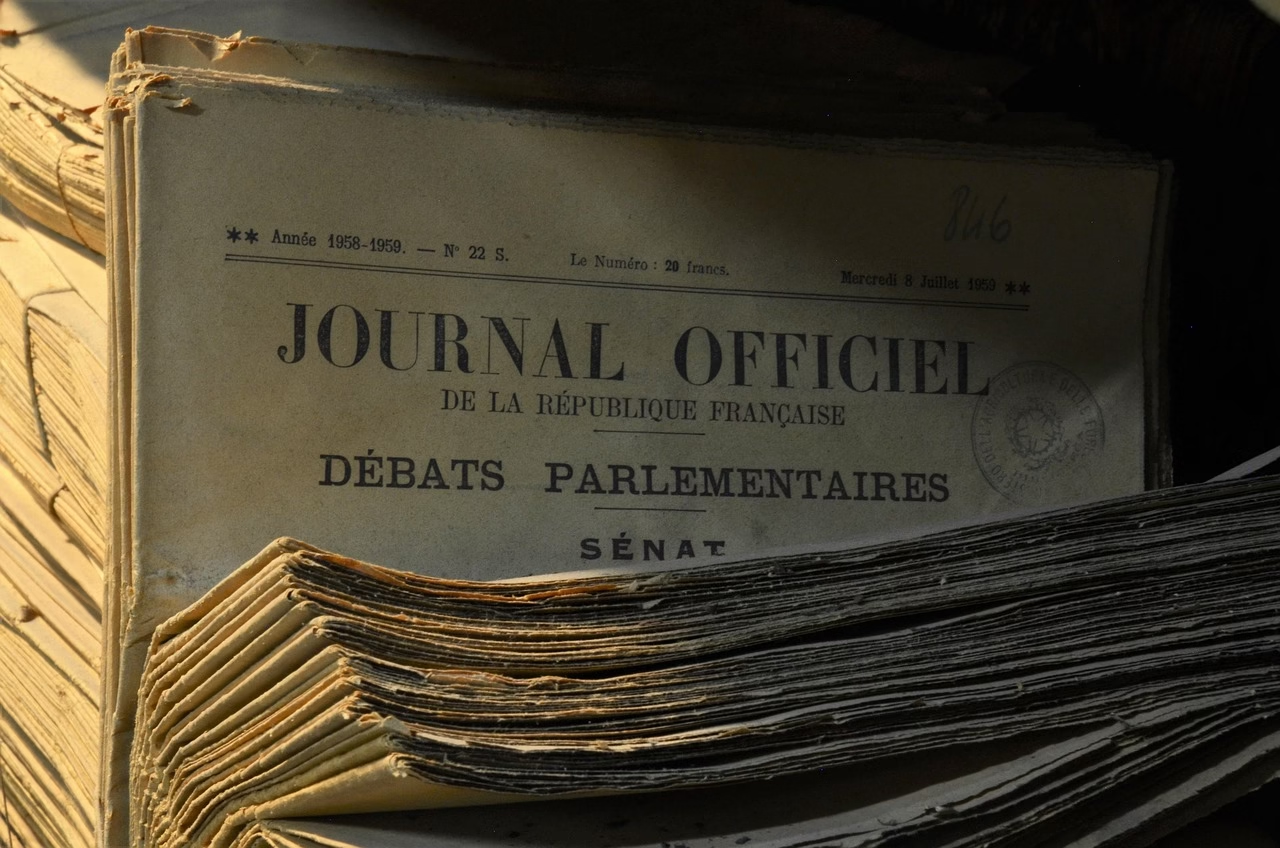
The U.S. Department of Justice (DOJ) recently filed charges against Carmen Mercedes Lineberger, a former federal prosecutor, for allegedly stealing sensitive government documents. Lineberger is accused of emailing herself a copy of Volume II of Special Counsel Jack Smith’s confidential report concerning former President Donald Trump’s criminal case, a move that constitutes a significant breach of national security protocols and government trust, prompting a federal investigation into the unauthorized dissemination of classified or sensitive information.
Context of the Special Counsel’s Investigation
Special Counsel Jack Smith was appointed by Attorney General Merrick Garland in November 2022 to oversee two high-profile criminal investigations involving former President Donald Trump. These investigations include matters related to the January 6th Capitol attack and the handling of classified documents after leaving office. Smith’s office generates extensive reports detailing findings, evidence, and legal strategies, which are considered highly sensitive and often confidential or classified.
The integrity of these reports is paramount to the ongoing legal processes and national security. Unauthorized access or dissemination of such documents could compromise investigations, reveal sensitive intelligence, or even impact national security. Federal law imposes strict regulations on the handling of government documents, with severe penalties for theft, unauthorized retention, or disclosure.
Details of the Allegation and Legal Ramifications
According to court documents, Carmen Mercedes Lineberger, while employed as a federal prosecutor, allegedly used her government email account to forward Volume II of the Special Counsel’s report to a personal email address. This action bypasses standard security protocols designed to protect sensitive government information. The specific charges against Lineberger have not been fully detailed, but they are expected to include offenses such as theft of government property, unauthorized removal of classified documents, and potentially obstruction of justice or disclosure of national defense information, depending on the report’s classification level.
Legal experts suggest that convictions for such offenses can carry substantial penalties, including significant prison time, hefty fines, and permanent disbarment from legal practice. The gravity of the charges underscores the government’s stringent stance on protecting classified and sensitive materials, especially those pertaining to high-profile federal investigations. The DOJ is expected to pursue a robust prosecution to deter similar breaches of trust.
Impact on Smith’s Investigation and DOJ Protocols
The alleged theft raises immediate concerns about the security and integrity of Special Counsel Jack Smith’s ongoing investigations. While the full content of Volume II remains undisclosed, any unauthorized access could potentially compromise sources, methods, or legal strategies. The DOJ has initiated an internal review to assess the extent of the breach and to determine if other sensitive documents were compromised or if other personnel were involved.
This incident also prompts a reevaluation of internal security protocols within federal agencies. Experts in cybersecurity and government operations emphasize the persistent challenge of insider threats. A recent report by the Government Accountability Office (GAO) highlighted a 12% increase in reported insider threat incidents across federal agencies over the last three years, primarily involving unauthorized data access or exfiltration. The DOJ will likely implement enhanced monitoring and access controls for highly sensitive documents and personnel with privileged access.
Expert Perspectives on Insider Threats and Legal Ethics
“This case highlights the critical vulnerability of insider threats, even from trusted professionals within the legal system,” stated Dr. Eleanor Vance, a professor of legal ethics at Georgetown University. “A prosecutor’s oath includes a commitment to uphold the law and protect sensitive information. Any alleged breach of that trust, particularly involving such a high-profile investigation, is a profound violation of professional ethics and public duty.”
National security analysts echoed these concerns, emphasizing that the deliberate exfiltration of sensitive reports, regardless of classification, can have far-reaching consequences. “The damage isn’t just about what’s in the document; it’s about the erosion of trust and the potential for adversaries to exploit such vulnerabilities,” commented a former intelligence official on background. “Every such incident necessitates a thorough review of access privileges and digital forensics to ascertain the full scope of compromise.”
Forward-Looking Implications
The charges against Carmen Mercedes Lineberger mark a significant moment in the ongoing scrutiny of government transparency and security. The case will likely proceed with an indictment, followed by legal proceedings that could unfold over many months. This incident will undoubtedly fuel further debate over the balance between public access to information and the imperative to protect sensitive government operations, particularly those involving politically charged investigations.
Furthermore, the DOJ is expected to use this case as a catalyst for strengthening its internal security frameworks, potentially leading to new policies regarding digital document handling, employee monitoring, and the use of personal devices for work-related activities. The outcome of Lineberger’s trial will set an important precedent for future cases involving insider threats within federal agencies, underscoring the severe consequences for those who betray public trust and compromise national security.





















Leave a Reply