


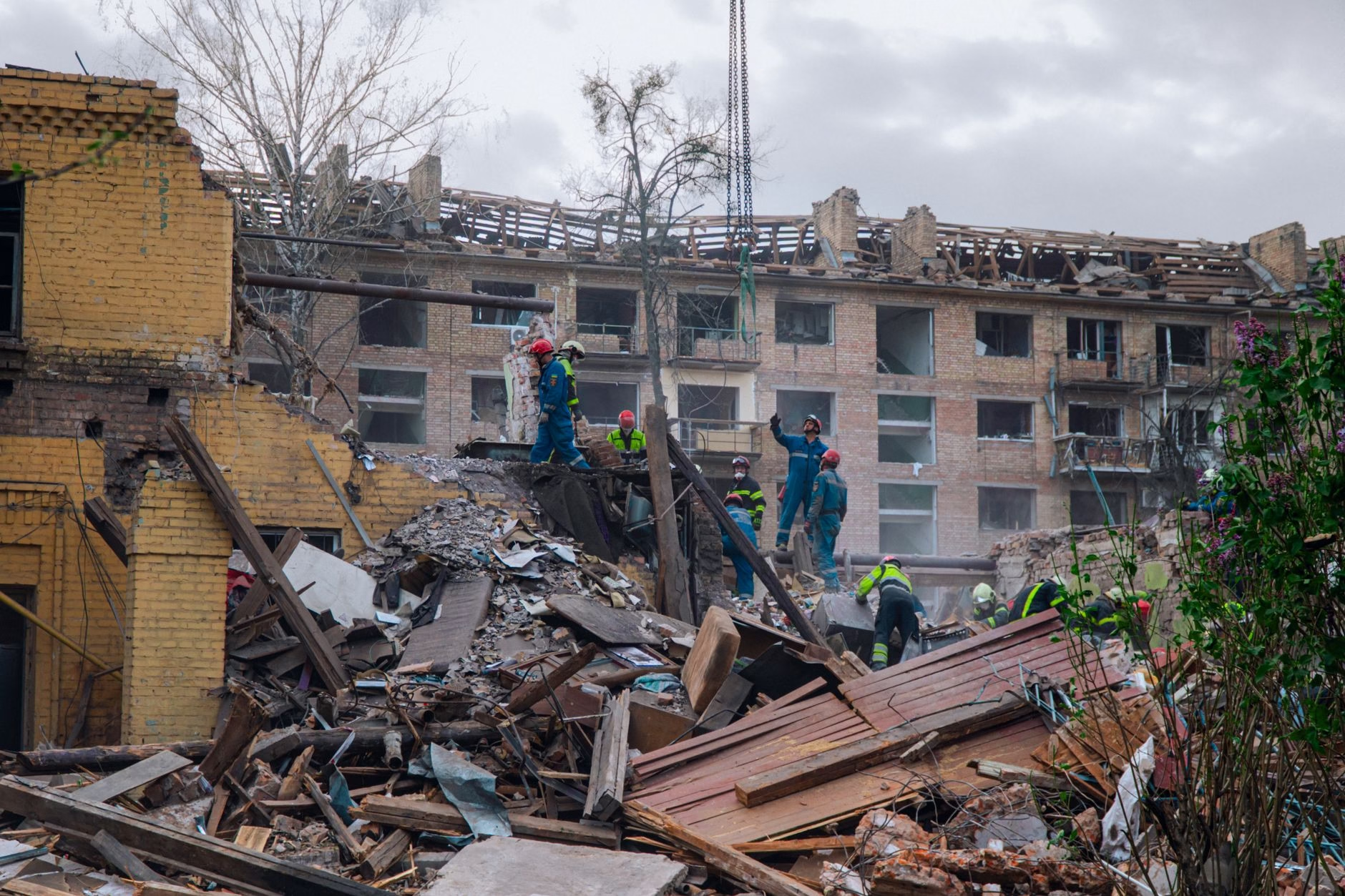
The question of holding national elections during periods of intense conflict presents a profound challenge for any democratic nation. For Ukraine, a country actively defending its sovereignty, this dilemma has come into sharp focus. President Volodymyr Zelenskyy has unequivocally stated his opposition to conducting elections while the nation remains embroiled in war, citing the presence of “huge risk” as the primary impediment. This decision underscores the complex interplay between democratic principles and the harsh realities of armed conflict.
The Dilemma of Wartime Democracy
Democracy is fundamentally built upon the regular exercise of electoral rights, allowing citizens to choose their representatives and hold them accountable. However, the conditions necessary for free, fair, and inclusive elections are often severely compromised during wartime. The very fabric of society is strained, with populations displaced, infrastructure damaged, and security paramount. Leaders must weigh the constitutional mandate for elections against the practical and existential threats posed by ongoing hostilities.
Security Imperatives and Voter Safety
One of the most immediate and significant concerns highlighted by the “huge risk” assessment pertains to security. Holding elections requires ensuring the safety of voters, electoral staff, candidates, and observers across the entire national territory. In a country under attack, with active combat zones, missile strikes, and drone assaults, guaranteeing such safety becomes an insurmountable task. Polling stations could become targets, voter turnout would be drastically affected by fear, and the integrity of the process would be compromised by the inability to secure all areas. The fundamental right to cast a ballot safely and without intimidation would be severely undermined.
Logistical Hurdles and Disenfranchisement
Beyond security, the logistical challenges of organizing nationwide elections during conflict are immense. Millions of Ukrainian citizens have been internally displaced or have sought refuge abroad. A significant portion of the country’s territory remains under occupation. This widespread displacement and occupation make it virtually impossible to establish comprehensive voter rolls, set up accessible polling stations, and ensure that all eligible citizens, including those serving on the front lines, have the opportunity to participate. Conducting elections under such conditions would inevitably lead to the disenfranchisement of a substantial segment of the population, thereby undermining the democratic legitimacy of the outcome.
Maintaining Electoral Legitimacy
The credibility and legitimacy of an election are contingent upon its perceived fairness and transparency. During wartime, the ability to ensure these conditions is severely hampered. Independent election monitoring, crucial for verifying the integrity of the process, would be difficult to conduct effectively in contested or dangerous areas. Access to information, a cornerstone of informed voting, could be restricted by wartime censorship or propaganda. Furthermore, the capacity of political parties to campaign freely, organize rallies, and disseminate their platforms would be severely curtailed, creating an uneven playing field and potentially leading to accusations of unfair advantage.
Constitutional and Legal Considerations
Many nations have constitutional provisions or legal frameworks that address the conduct of elections during states of emergency or martial law. In Ukraine, martial law has been in effect since the full-scale invasion began. Such legal frameworks often suspend certain normal democratic processes to prioritize national defense and security. The decision to postpone elections during martial law is often rooted in the understanding that the extraordinary circumstances of war make it impossible to uphold the democratic standards required for a truly representative vote. Adhering to these legal provisions becomes a necessary step to maintain constitutional order while navigating an unprecedented crisis.
National Unity and Focus
Another critical aspect of the “huge risk” cited by President Zelenskyy relates to the potential impact on national unity and the country’s singular focus on defense. Elections are inherently competitive processes, designed to highlight differences in policy and leadership. While healthy competition is vital in peacetime, during an existential war, such divisions could be detrimental. Diverting national resources, attention, and energy towards electoral campaigns might detract from the unified war effort, potentially creating internal strife or weakening the resolve against external aggression. The nation’s leadership has emphasized the importance of maintaining a united front, and a divisive election campaign could undermine this critical objective.
International Perspectives and Support
The international community generally supports democratic processes and the regular holding of elections. However, there is also a recognition of the extraordinary circumstances that war imposes. International partners often express understanding for decisions to postpone elections when the conditions for free and fair voting cannot be met. The primary concern of Ukraine’s allies has been to support its defense and sovereignty. While the long-term goal remains a fully functioning democracy, the immediate priority is survival and the restoration of territorial integrity. Any decision regarding elections is typically viewed through the lens of how it impacts Ukraine’s ability to resist aggression and maintain stability.
The Path Forward: Balancing Ideals with Reality
The decision to reject wartime elections is not a rejection of democracy itself, but rather a pragmatic acknowledgment of the current impossibility of upholding its highest standards under duress. It represents a difficult choice aimed at preserving the nation’s capacity to defend itself and ensuring that when elections eventually do take place, they can truly reflect the will of the people in a secure and equitable environment. The focus remains on achieving conditions where democratic processes can resume with integrity and legitimacy, free from the immediate threats of war.
Conclusion
President Zelenskyy’s stance on postponing elections during the ongoing conflict reflects a profound understanding of the “huge risk” involved. It underscores the immense challenges faced by a nation at war in balancing its democratic ideals with the imperative of national survival. While the desire for democratic continuity is strong, the practicalities of security, logistics, and maintaining national unity dictate a cautious approach. The ultimate goal is to ensure that when the time comes for elections, they will be a true expression of the people’s will, conducted in an environment of peace, security, and full democratic participation.














Leave a Reply