


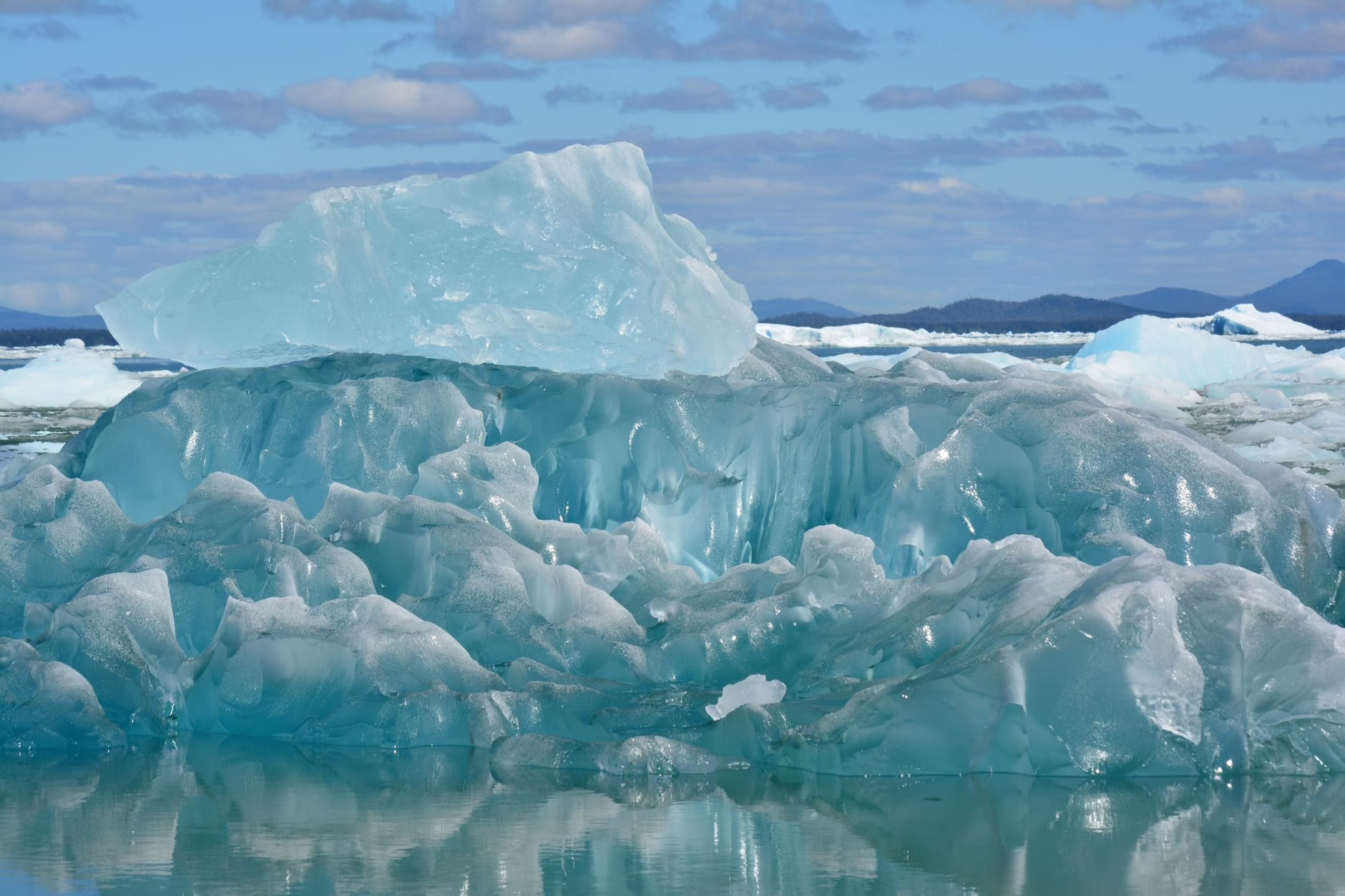
The Arctic is undergoing profound transformation due to climate change, with significant implications for global shipping. As ice recedes, new maritime passages are becoming increasingly viable, particularly the Northern Sea Route along Russia’s coastline. This development presents both economic opportunities and substantial environmental challenges. The accelerated pace of navigation in these previously inaccessible waters raises critical concerns for the delicate Arctic ecosystem, including its diverse marine life, pristine waters, and the remaining ice formations. Understanding these complex dynamics is essential for navigating the future of this vital polar region.
The Northern Sea Route: A New Frontier
Historically, the Arctic’s thick ice cover rendered many sea lanes impassable for much of the year, limiting commercial shipping. However, persistent global warming has led to a dramatic reduction in sea ice extent and thickness, especially during the summer months. This has opened up the Northern Sea Route (NSR), a maritime pathway stretching from the Barents Sea to the Bering Strait. The NSR offers a significantly shorter transit time between Europe and Asia compared to traditional routes through the Suez Canal, promising reduced fuel consumption and faster delivery schedules. This economic incentive is a primary driver behind the growing interest in Arctic shipping.
Ecological Vulnerabilities and Marine Life
The increased vessel traffic in the Arctic introduces unprecedented risks to its unique and fragile ecosystems. Marine mammals, such as various whale species, seals, and polar bears, depend on the ice for hunting, breeding, and migration. Increased noise pollution from ships can disrupt their communication, foraging behaviors, and migratory patterns. Collisions with vessels pose a direct threat to large marine mammals, particularly whales, which may not be able to avoid fast-moving ships in their traditional habitats. The cumulative stress from human activity could have long-term detrimental effects on these populations, many of which are already under pressure from climate change.
Threats to Water Quality
The pristine waters of the Arctic are highly susceptible to pollution. Even minor spills of fuel, lubricants, or other operational discharges from ships can have disproportionately severe impacts in cold environments, where natural degradation processes are much slower. The introduction of invasive species through ballast water poses another significant threat, potentially disrupting local food webs and outcompeting native species. Furthermore, the discharge of wastewater and garbage, even if regulated, adds to the overall environmental burden on a region with limited capacity for natural recovery. Protecting the Arctic’s water quality is paramount for the health of its ecosystems and the indigenous communities that rely on them.
Black Carbon and Climate Feedback Loops
A particularly concerning aspect of increased shipping is the emission of black carbon. When ships burn heavy fuel oil, they release black carbon particles into the atmosphere. These dark particles settle on snow and ice, reducing their albedo (reflectivity) and accelerating melt rates. This creates a dangerous feedback loop: more melting ice enables more shipping, which in turn releases more black carbon, leading to even faster melting. This phenomenon exacerbates global warming and contributes directly to the further degradation of the Arctic’s ice cover, intensifying the very conditions that make the shipping routes viable in the first place.
Navigating Residual Ice Risks
While the Arctic is thawing, it remains a challenging environment. Even in summer, significant amounts of multi-year ice and ice floes can persist, posing navigational hazards. Ships operating in these conditions require specialized ice-strengthened hulls and experienced crews. Accidents, such as groundings or collisions with ice, carry the risk of fuel spills and other environmental damage in remote areas where response capabilities are limited. The presence of ice also means that emergency rescue operations for stranded vessels or personnel would be exceptionally difficult and resource-intensive, highlighting the inherent dangers of operating in this extreme environment.
Governance and Regulatory Frameworks
The rapid changes in Arctic shipping underscore the urgent need for robust international governance and regulatory frameworks. While the International Maritime Organization (IMO) has adopted the Polar Code, which sets mandatory safety and environmental provisions for ships operating in polar waters, its enforcement and scope are continually debated. There is a pressing need for enhanced monitoring, stricter emission controls, and comprehensive emergency response plans tailored to the unique challenges of the Arctic. Collaborative efforts among Arctic nations, indigenous communities, and environmental organizations are crucial to develop and implement effective strategies for sustainable maritime activity.
Balancing Economic Imperatives with Environmental Stewardship
The economic benefits of Arctic shipping, particularly for nations like Russia which controls a significant portion of the NSR, are undeniable. These include potential revenue from transit fees, development of port infrastructure, and access to Arctic resources. However, these economic gains must be carefully weighed against the irreversible environmental costs. A short-term focus on profit without adequate environmental safeguards risks long-term ecological devastation and undermines the resilience of a globally significant ecosystem. Achieving a balance requires innovative solutions that prioritize environmental protection while allowing for responsible and sustainable economic development.
Conclusion
The transformation of the Arctic into a more accessible shipping corridor represents a pivotal moment for global commerce and environmental policy. While the allure of shorter routes and economic efficiencies is strong, the inherent risks to marine life, water quality, and the integrity of the ice environment are profound. Addressing these challenges demands a proactive and collaborative approach, emphasizing stringent regulations, advanced safety measures, and a deep commitment to environmental stewardship. The future of the Arctic, and its role in the global climate system, hinges on the choices made today regarding the management of its increasingly busy waterways.
















Leave a Reply