


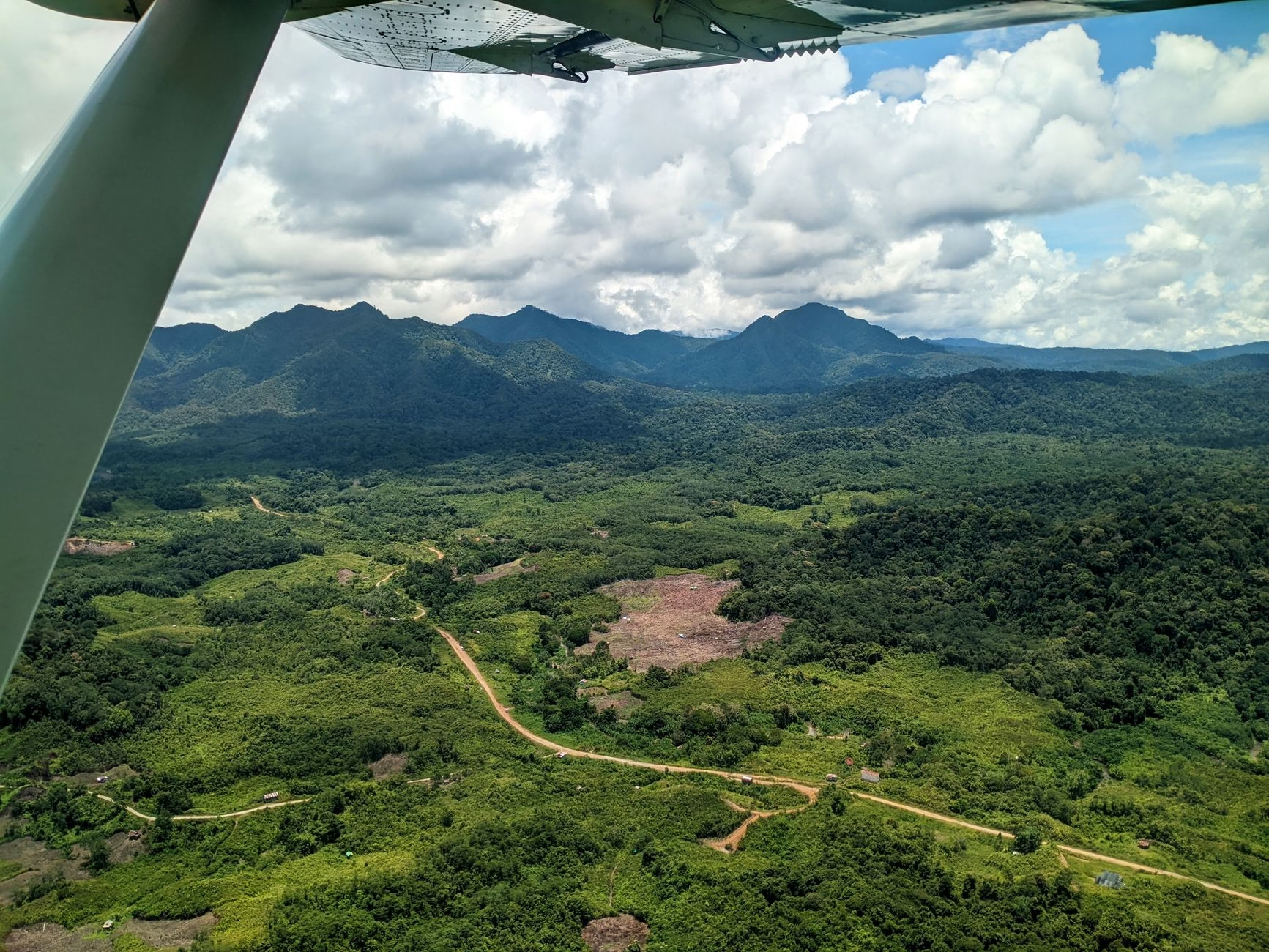
The nation of Indonesia has significantly elevated its attention toward the Kalimantan region, marking a pivotal shift in its environmental and disaster management strategies. This heightened focus is a direct consequence of a noticeable and concerning increase in wildfire hotspots observed across the area. The government’s decision to prioritize Kalimantan underscores the critical nature of the environmental challenges currently facing the region, necessitating an immediate and robust national response.
Efforts are being concentrated to address the escalating incidents of wildfires, which pose substantial threats to both the natural environment and human populations within Kalimantan. This strategic emphasis by Indonesia reflects a profound commitment to managing the growing threat posed by these environmental occurrences. The situation in Kalimantan demands a dedicated and focused response from national authorities to mitigate potential long-term damage and ensure regional stability.
The prioritization of Kalimantan is not merely a reactive measure but represents a proactive stance towards environmental stewardship and the safeguarding of vital ecosystems. Indonesian authorities are mobilizing resources and expertise to implement comprehensive measures designed to curb the spread and frequency of these wildfire hotspots. This includes a multi-faceted approach aimed at prevention, early detection, and effective suppression of fires.
The emphasis on Kalimantan signifies a broader, more integrated approach to environmental management. The goal is to protect the region’s rich biodiversity, its unique natural landscapes, and the livelihoods of its communities. This dedicated attention ensures that the complex challenges presented by increasing wildfires are met with a coordinated and robust national strategy, involving various governmental agencies and local stakeholders.
The escalating prevalence of wildfire hotspots in Kalimantan has prompted this urgent national reorientation. Indonesia’s prioritization highlights a strategic imperative to safeguard the region’s future against the adverse effects of environmental degradation and climate-related impacts. This ongoing commitment is central to the nation’s broader environmental agenda, aiming to foster the long-term sustainability and resilience of Kalimantan in the face of evolving ecological pressures. The government acknowledges that sustained effort and adaptive strategies will be crucial in addressing this persistent environmental concern, ensuring the well-being of the region and its inhabitants for generations to come.






















Leave a Reply