


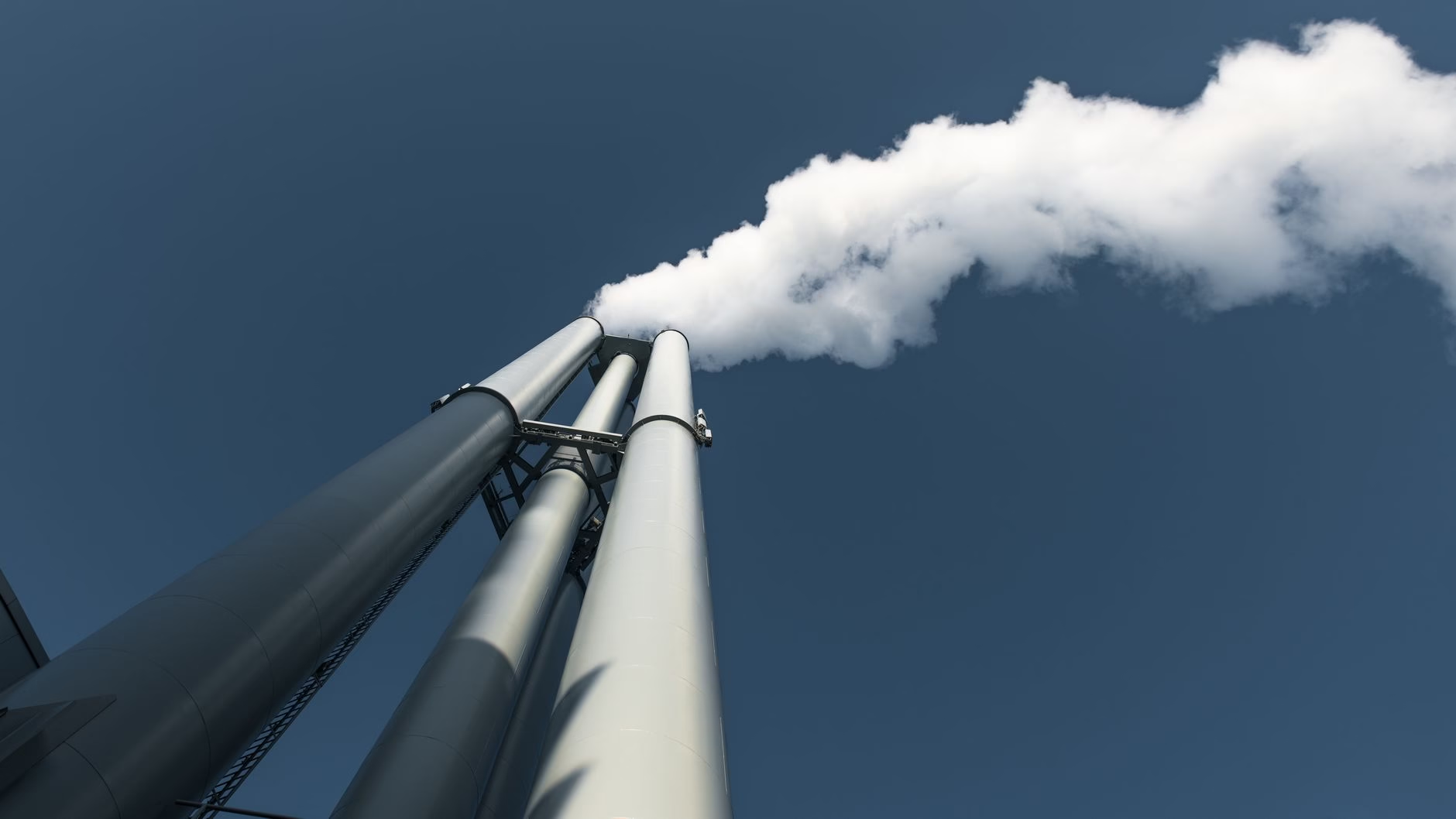
Germany has faced a significant public health challenge this year, with an estimated 14,000 deaths reportedly linked to heat. This substantial figure underscores the profound impact of rising temperatures on human health and mortality within the nation. The statistic highlights an urgent need for enhanced awareness and robust public health interventions to mitigate the risks associated with extreme heat events.
Understanding Heat-Related Mortality
The human body is designed to maintain a stable internal temperature, but prolonged exposure to excessive heat can overwhelm its natural cooling mechanisms. When temperatures soar, the body struggles to dissipate heat effectively, leading to conditions such as heatstroke, heat exhaustion, and the exacerbation of pre-existing medical conditions. These physiological stresses can be particularly dangerous, especially for vulnerable segments of the population. The reported fatalities in Germany serve as a stark reminder of the severe health consequences that can arise from sustained periods of high temperatures.
Vulnerable Populations and Increased Risk
Certain demographic groups are disproportionately affected by heat-related illnesses and mortality. Elderly individuals, for instance, often have reduced physiological capacity to regulate body temperature and may suffer from chronic health issues that are worsened by heat. Young children, pregnant women, and individuals with pre-existing cardiovascular, respiratory, or kidney diseases also face elevated risks. Furthermore, those working outdoors, individuals experiencing homelessness, and residents of urban areas with limited green spaces or inadequate cooling infrastructure are particularly susceptible. Addressing these vulnerabilities requires targeted public health strategies and community support systems.
The Broader Context of Climate Change
The increasing frequency and intensity of heatwaves globally are widely attributed to climate change. As average global temperatures continue to rise, countries like Germany are experiencing more prolonged periods of extreme heat, which were once considered rare occurrences. This evolving climatic pattern presents a long-term public health crisis, demanding comprehensive strategies that encompass both adaptation and mitigation efforts. The reported death toll in Germany this year serves as a critical indicator of the pressing need to address the broader environmental factors contributing to these hazardous conditions.
Public Health Responses and Preparedness
Effective public health responses to heat events involve a multi-faceted approach. This includes implementing early warning systems that alert the public to impending heatwaves, providing clear guidance on protective measures such as hydration and seeking cool environments, and establishing cooling centers in communities. Healthcare systems must also be prepared to manage an increased caseload of heat-related illnesses. Educational campaigns are vital to inform the public about the dangers of heat and how to protect themselves and their neighbors, particularly those who are most vulnerable. Proactive planning and coordination among various governmental and non-governmental organizations are essential to minimize future fatalities.
Urban Planning and Infrastructure Adaptations
Beyond immediate public health advisories, long-term solutions involve adapting urban environments to be more resilient to heat. This includes promoting green infrastructure, such as parks and tree planting, which can help reduce urban heat island effects. Designing buildings with better insulation and passive cooling techniques, and ensuring access to air conditioning or other cooling methods for vulnerable populations, are also crucial. Investing in infrastructure that supports sustainable living and reduces carbon emissions can contribute to mitigating the root causes of extreme heat events. The experience in Germany underscores the necessity of integrating climate resilience into urban development and policy-making.
Economic and Social Implications
The impact of heat-related mortality extends beyond individual health, carrying significant economic and social implications. Healthcare systems face increased strain and costs associated with treating heat-related conditions. Productivity can decline due to heat stress, affecting various sectors of the economy. Socially, heatwaves can disrupt daily life, impact community well-being, and exacerbate existing inequalities, as disadvantaged groups often have fewer resources to cope with extreme temperatures. The substantial number of deaths reported in Germany highlights these broader societal costs and reinforces the urgency of comprehensive action.
Looking Ahead: A Call for Action
The reported 14,000 heat-linked deaths in Germany this year represent a sobering statistic and a powerful call to action. It emphasizes the critical importance of robust public health strategies, climate change mitigation, and adaptive urban planning. As global temperatures continue their upward trend, societies must prioritize investments in infrastructure, public awareness, and healthcare preparedness to safeguard their populations from the escalating risks of extreme heat. Collaborative efforts at local, national, and international levels will be instrumental in building resilience and protecting lives in the face of a changing climate.






















Leave a Reply